This tattoo placement guide explains how to choose a location that works with your design, body, lifestyle, and long-term plans.
Choosing the right tattoo placement is about more than finding an empty area of skin. Placement affects how a design follows the body, how visible it is in daily life, how uncomfortable the session may feel, how easily the tattoo heals, and how it may age over time. A detailed design needs enough space to remain readable, while a small tattoo often looks strongest when it feels intentional rather than lost on a large body area.
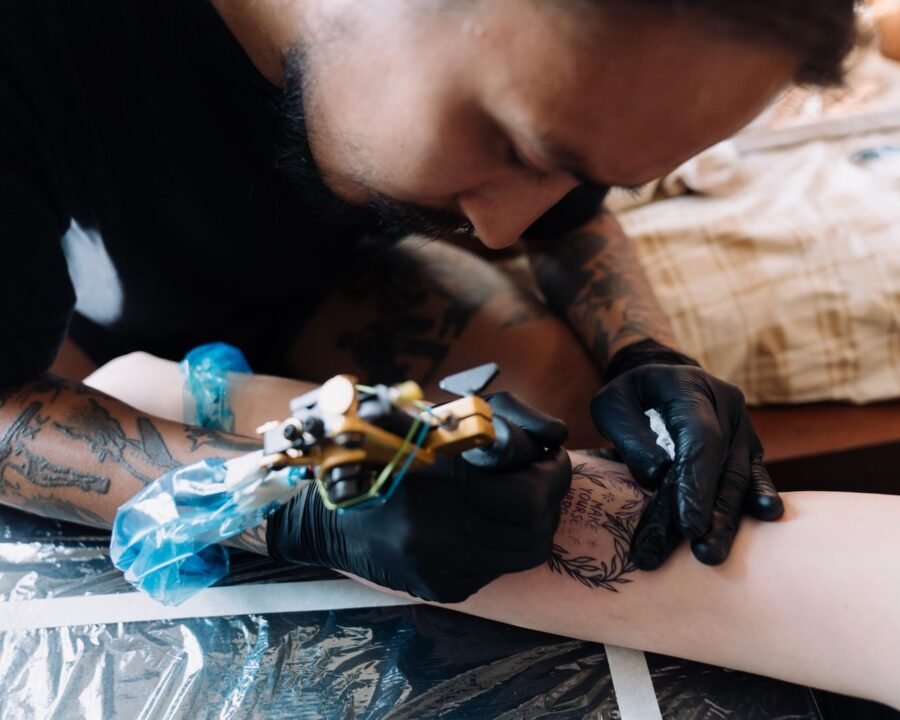
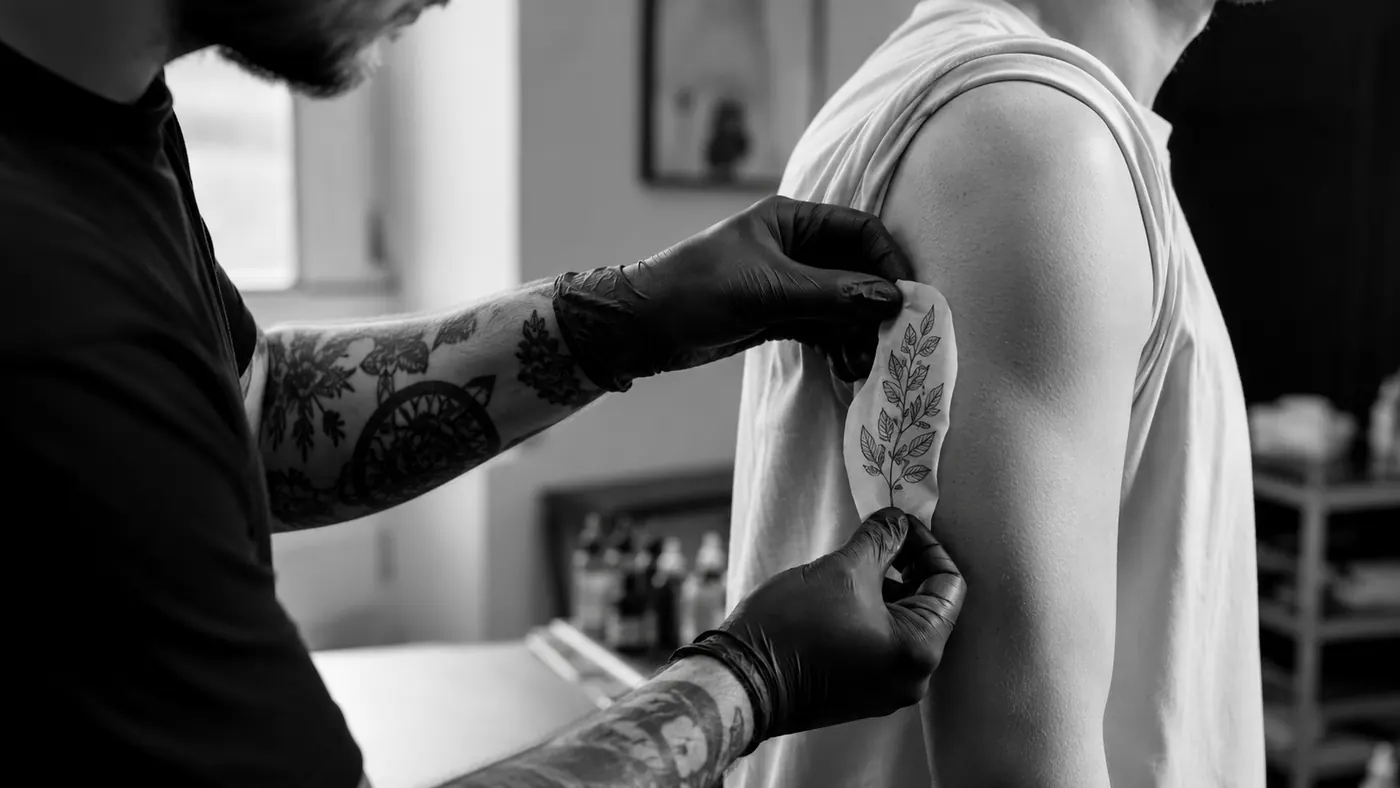
Start by deciding how visible you want the tattoo to be, how large the design should become, and whether you may want to expand it later. Then compare a few possible locations based on body shape, clothing friction, sun exposure, movement, and personal pain tolerance. A skilled tattoo artist should make the final placement adjustment with the stencil on your body, because even a strong design may need to be resized or rotated to flow naturally with your anatomy.
Tattoo Placement Guide: 6 Questions to Ask First
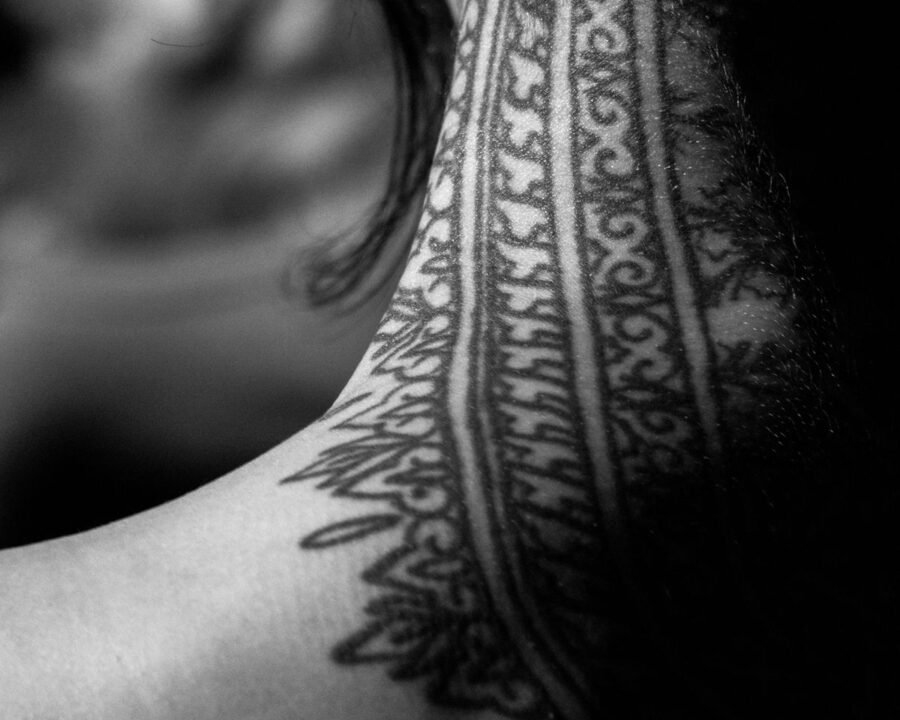
- How visible should it be? Decide whether you want to see the tattoo every day, display it selectively, or keep it covered for work and formal settings. Forearms, hands, and necks are highly visible, while the upper arm, thigh, torso, and back are easier to conceal.
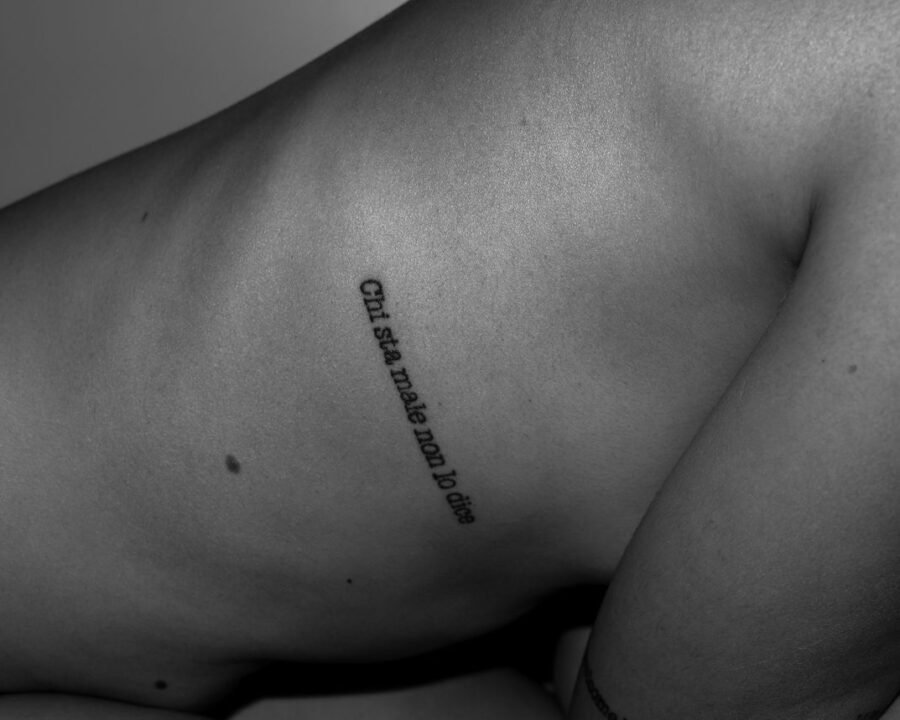
- How much space does the design need? Detailed portraits, realism, lettering, and complex patterns require enough room for clean lines and readable negative space. Making an intricate design too small can cause details to blur together as the tattoo ages.
- Does the design fit the body’s shape? Long designs often flow naturally along the forearm, calf, ribs, or spine. Round compositions may suit the shoulder, chest, elbow, or knee. Placement should work with muscle direction and movement rather than fighting against it.
- How sensitive is the area? Tattoo discomfort varies between people, but thin skin, prominent bones, and areas with many nerve endings are often more sensitive. Pain should influence the decision, but it should not be the only factor.
- Will clothing or movement affect healing? Waistbands, bra straps, shoes, tight sleeves, and repeated joint movement can rub against a fresh tattoo. Consider whether you can wear loose clothing and protect the area during the initial healing period.
- Could you expand the tattoo later? A small design placed in the center of a large area may limit future sleeves or larger compositions. Tell your artist about any long-term plans so they can preserve useful space and create a placement that can grow with your collection.
Best Tattoo Placements by Body Area
Upper Arm and Shoulder
The upper arm is one of the most versatile tattoo placements because it can support small standalone pieces, shoulder-cap designs, or the beginning of a full sleeve. It is easy to cover with clothing, offers enough space for detail, and allows the artist to follow the natural curve of the shoulder and muscle. Consider how the design will look from the front, side, and back rather than judging it from one angle.
Forearm
The forearm provides a relatively flat, readable canvas that works well for illustrative pieces, lettering, botanical designs, and vertical compositions. It is also highly visible, especially on the outer forearm, so think carefully about work requirements and daily exposure. Because the area receives regular sunlight, consistent sun protection after healing is important for preserving contrast and color.
Thigh
The thigh offers substantial space for detailed artwork while remaining easy to cover. Large portraits, ornamental pieces, animals, and designs that may expand toward the hip or knee can work especially well here. Before choosing the exact position, consider how shorts, tight trousers, exercise, and sleeping positions may affect visibility and healing comfort.
Calf
The calf naturally suits tall or vertical designs and can accommodate more detail than the wrist or ankle. A tattoo can be positioned on the outer calf for stronger visibility or toward the back for a more discreet appearance. Ask your artist to check the design while you are standing because the muscle’s shape and the tattoo’s alignment may look different when the leg is bent.
Back
The back provides the largest uninterrupted canvas for tattoos and gives an artist room to create balanced, highly detailed compositions. It works well for symmetrical designs, large-scale realism, Japanese work, and pieces intended to expand over time. The tradeoff is that you cannot easily see or reach the area yourself, so photographing progress and arranging help with aftercare may be useful.
Tattoo Placement Comparison Chart
Every body reacts differently, so treat this chart as a starting point rather than a guarantee. It compares the most common placements on the factors that matter: how much they typically hurt, how visible they are day to day, how well they age, and how easy they are to heal. Your design matters too — different tattoo styles suit different spots.
| Placement | Typical pain | Visibility | How it ages | Healing ease |
|---|---|---|---|---|
| Outer upper arm | Low | Easy to cover | Very well | Easy |
| Shoulder | Low | Easy to cover | Very well | Easy |
| Forearm | Low–moderate | Hard to cover | Well with sun care | Easy |
| Thigh | Low | Easy to cover | Very well | Easy |
| Calf | Low–moderate | Seasonal | Well | Easy |
| Upper back | Moderate | Easy to cover | Very well | Moderate — hard to reach |
| Ribs | High | Easy to cover | Well | Harder — sleep and movement |
| Hands and fingers | High | Always visible | Fades fastest | Harder — constant use |
| Feet and ankles | High | Seasonal | Fades with friction | Harder — shoes and socks |
| Elbows and knees | High | Depends on design | Blurs over joints | Harder — constant bending |
The short version: the best places on the body to get a tattoo — especially a first tattoo — are the outer upper arm, shoulder, thigh, and forearm. They combine lower pain, steady skin, and straightforward healing. The spots most people regret rushing into are hands, fingers, feet, ribs, and directly over the elbow or knee: they hurt more, heal slower, and fade faster.
If you’re set on a foot piece anyway, our foot tattoo aftercare guide covers the shoe and sock rules that protect it while it heals.
The Least Painful Places to Get a Tattoo
If pain is your main worry, favor areas with more muscle and fat and fewer nerve endings close to bone: the outer upper arm, shoulder, outer thigh, calf, and outer forearm. The most painful spots tend to be ribs, spine, hands, feet, armpit, and anywhere the needle works directly over bone. Session length matters too — a small piece on a “painful” spot can still be easier than three hours on an “easy” one, so prepare properly for your session either way. Each of those is broken down, with the anatomy behind it, in our guide to the most painful tattoo spots.
How Tattoo Placement Affects Pain
Areas That Often Feel More Manageable
Fleshier areas with more cushioning, such as the outer upper arm, shoulder, outer thigh, and parts of the calf, are often considered more manageable for many clients. These locations can be practical choices for a first tattoo or a longer appointment, but no placement is completely painless. Personal sensitivity and the exact position still make a significant difference.
Areas That Often Feel More Intense
Locations close to bone or with thin skin, including the ribs, sternum, spine, elbows, knees, ankles, feet, and hands, often feel more intense. Inner-arm and behind-the-knee placements may also be sensitive. Choosing one of these areas does not mean the tattoo is a bad idea, but you may want a shorter session or a simpler first design.
Why Tattoo Pain Charts Are Only Estimates
Pain charts provide a general comparison, not a guarantee. Session length, tattoo style, needle grouping, artist technique, sleep, stress, and individual pain tolerance all affect the experience. A medically reviewed tattoo pain overview similarly notes that location and personal tolerance influence discomfort. Discuss concerns with your artist rather than choosing placement from a pain score alone. Our full tattoo pain chart breaks every body area down individually.
How Placement Affects Tattoo Aging and Fading
Sun Exposure
Tattoos on the forearms, hands, neck, lower legs, and other exposed areas receive more ultraviolet light during daily life. UV exposure can gradually reduce the vibrancy and contrast of some tattoo inks. Once the tattoo is completely healed, the American Academy of Dermatology recommends protecting tattooed skin with broad-spectrum, water-resistant sunscreen rated SPF 30 or higher. Follow your artist’s instructions while the tattoo is still healing.
Friction and Movement
Hands, fingers, feet, ankles, elbows, knees, and waistline placements experience frequent movement, washing, pressure, or contact with clothing and shoes. These factors may make healing more demanding and can affect how crisp a tattoo looks over time. They are still valid placements, but clients should understand that some designs may eventually need additional maintenance or touch-ups.
Design Size and Detail
Placement and size should be planned together. Fine details, closely spaced lines, and small lettering need enough room to remain readable as the tattoo settles and ages. An experienced artist may recommend enlarging the design, simplifying small details, or moving it to a flatter area. Treat that advice as part of the design process rather than a rejection of your idea.
How to Test Tattoo Placement Before Getting Tattooed
Print the Design at Several Sizes
Hold each version against the area to compare scale. A design that looks balanced on a phone screen may appear too small or too wide when placed on the body.
Photograph It From Multiple Angles
Check the placement from the front, side, and back while standing naturally. Ask someone else to take the photos because mirrors can distort your posture and perspective.
Test Normal Body Movement
Bend the nearby joint, sit down, walk, and rotate your body. Watch whether the proposed tattoo folds, twists, or disappears when the surrounding muscles move.
Check It With Your Clothing
Wear work clothes, exercise clothing, formal outfits, and anything that regularly touches the area. This can reveal visibility concerns and areas where straps, waistbands, sleeves, or shoes may cause friction.
Approve the Final Stencil Slowly
Look at the artist’s stencil from different angles and distances. Ask for an adjustment if the position, angle, or size feels wrong. Moving a stencil is simple; changing a permanent tattoo is not.
Tattoo Placement FAQ
What Is the Best Placement for a First Tattoo?
There is no universal best location, but the outer upper arm, shoulder, forearm, thigh, and calf are practical starting points for many people. They offer useful space, can support different design sizes, and are generally easier to access during aftercare. The right choice still depends on visibility, pain tolerance, clothing, and the design itself.
Where Do Tattoos Usually Hurt the Least?
Areas with more cushioning and thicker skin, such as the outer upper arm or outer thigh, are often described as more manageable. Pain varies significantly, so no artist can promise that a placement will be painless. A smaller design and shorter appointment may be more useful than selecting a location based only on a pain chart.
Which Tattoo Placements Tend to Age Well?
Areas protected from constant sunlight and repeated friction often retain contrast more easily. The upper arm, shoulder, back, and thigh can be practical choices, but design quality, line spacing, ink application, skincare, and sun protection also affect long-term appearance.
Should a Tattoo Face Inward or Outward?
The answer depends on the design and how it interacts with the body. Portraits, animals, and figures are often positioned to face toward the body’s center, but this is an artistic convention rather than a strict rule. Ask your artist to show both stencil directions and choose the version that looks most natural to you.
Can a Tattoo Artist Change My Placement Idea?
A good artist may recommend changing the size, angle, or location so the design fits the body better and remains readable. This is normal collaboration, not a rejection of your idea. Explain what matters most to you, listen to the technical reasoning, and do not approve the stencil until you feel comfortable.
What Is the Best Place on the Body to Get a Tattoo?
For most people it’s the outer upper arm or thigh: relatively low pain, easy to cover for work, minimal sun and friction exposure, and simple healing. The honest answer also depends on your design — long vertical pieces suit forearms and calves, large detailed work suits the back or thigh. Placement also affects how much a tattoo costs, since awkward spots can take longer to work on.
Where Do Tattoos Fade the Most?
Hands, fingers, feet, and anywhere with constant friction or sun — these spots shed and rebuild skin faster, so ink softens noticeably within a few years and often needs touch-ups. Covered, stable areas like the upper arm, thigh, and back hold detail the longest. Wherever you choose, consistent sunscreen once the tattoo heals is the single best anti-fading habit.
What Is the Hardest Tattoo Placement to Heal?
Placements you can’t rest: hands, feet, elbows, knees, and ribs. Constant movement, friction from shoes and clothing, and awkward sleeping positions all interrupt healing, so these areas need more patience and a more careful aftercare routine.
Final Tattoo Placement Checklist
Before approving the stencil, confirm that the placement matches your preferred visibility, gives the design enough space, follows the body’s natural shape, and works with your pain tolerance and daily clothing. Consider sun exposure, repeated friction, healing access, and whether you may want to expand the tattoo later. Compare more than one location and let your artist explain the technical advantages of each option.
The best tattoo placement is not simply the least painful or most popular spot. It is the location where the design, your body, and your lifestyle work together. Take time with the stencil, view it from several angles, and request adjustments before the tattoo begins.
Still choosing a design? Browse our Tattoo Ideas collection. If you are preparing for a future tattoo, read our Tattoo Aftercare guides to understand the healing process.
Placement-Specific Pain Guides
For a deeper look at pain by exact placement, see our dedicated guides:
- Least painful places to get a tattoo (ranked)
- Shoulder tattoo pain
- Collarbone tattoo pain
- Spine tattoo pain and healing
- Behind the ear tattoo healing
- Small tattoo placement ideas that age well
This article provides general educational information about placement, pain, and healing. It does not replace personalized advice from your tattoo artist or a qualified healthcare professional.