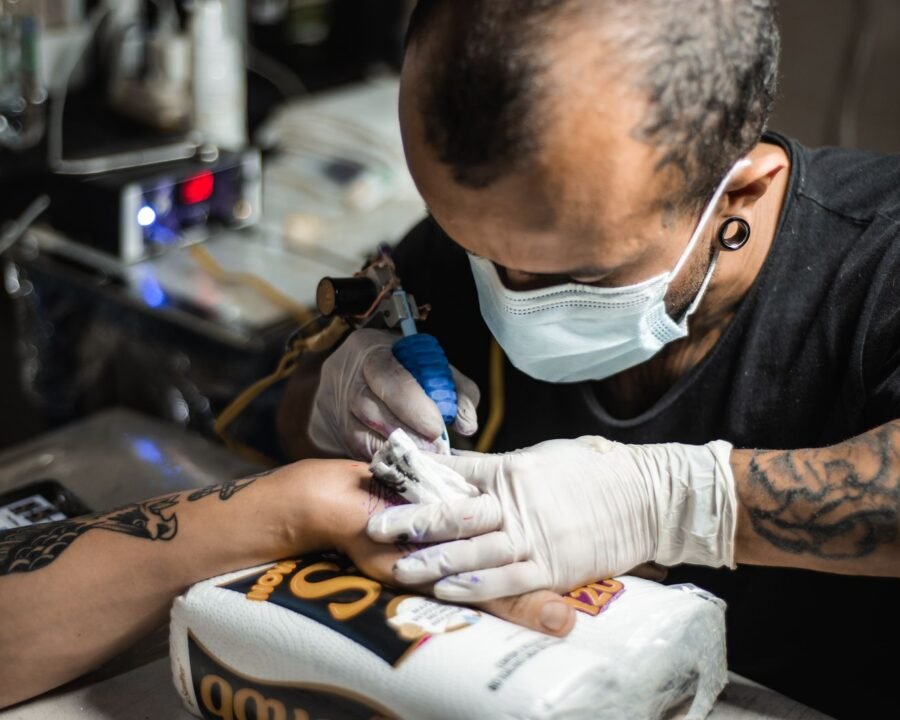
Preparing properly can make your tattoo appointment more comfortable and help your artist work efficiently. Learning how to prepare for a tattoo means arriving rested, hydrated, well-fed, appropriately dressed, and confident about your design. Your artist’s instructions should always come first because preparation may vary by tattoo size, placement, studio, and session length. If pain is your main worry, read our honest take on tattoo numbing cream before your appointment.
1. Confirm the Design and Placement
Review the final concept, approximate size, placement, and estimated appointment length with your artist. Bring reference images, but understand that a reputable artist will usually create an original interpretation rather than directly copying another person’s tattoo.
Think about how the design will move with your body and whether clothing, work requirements, or future plans could affect the placement. Tattoos are permanent and removal can be difficult, expensive, and incomplete.
2. Research the Artist and Studio
Choose an artist whose portfolio demonstrates consistent experience with your preferred tattoo style. Fine-line, realism, traditional, blackwork, and ornamental tattoos require different technical abilities.
Look for a clean professional studio, clear hygiene procedures, healed-work photographs, transparent pricing, and understandable aftercare instructions. Check applicable licensing or inspection requirements in your location.
The FDA’s tattoo-safety guidance explains that infections can result from unhygienic practices, non-sterile equipment, or contaminated ink.
3. Sleep Well Before the Appointment
Aim for a full night of sleep. A long tattoo session requires patience, stillness, and concentration, and exhaustion can make the experience feel more difficult.
Avoid scheduling an appointment immediately after an overnight shift, long flight, party, or another exhausting activity. If you feel seriously unwell on the appointment day, contact the studio rather than forcing yourself through the session.
4. Eat a Proper Meal
Eat a balanced meal before leaving for the studio unless a healthcare professional has instructed you otherwise. Choose familiar foods containing carbohydrates, protein, and healthy fats.
Examples include eggs with toast, rice with chicken and vegetables, oatmeal with fruit and yogurt, or a sandwich with a suitable protein source. Avoid arriving extremely hungry or relying only on sugary snacks.
For a long session, ask the studio whether you may bring a small snack. Fruit, a granola bar, crackers, or another easy-to-eat option can be useful during an approved break.
5. Drink Enough Water
Stay normally hydrated during the day before your appointment and drink water on the appointment morning. Bring a refillable water bottle if the studio permits it.
You do not need to consume an excessive amount immediately before the session. The goal is ordinary, consistent hydration rather than arriving thirsty or uncomfortable from drinking too much at once.
6. Avoid Alcohol Before Your Tattoo
Do not arrive intoxicated. Many professional artists will refuse to tattoo someone who appears impaired because that person may not be able to provide informed consent or remain still.
Alcohol can also affect judgment and may contribute to dehydration. Ask your studio how long it requires clients to avoid alcohol before an appointment and follow its policy.
Tell your artist about medications or health conditions that could affect bleeding, healing, allergies, or your ability to complete the session. Do not stop prescribed medication without speaking to the healthcare professional who prescribed it.
7. Prepare the Skin Gently
Keep the intended area clean and avoid activities that leave it irritated. Do not intentionally tan or allow the area to become sunburned before the appointment.
Avoid aggressive exfoliation, chemical peels, harsh products, or unfamiliar skincare treatments on the placement area. Tattooing skin that is burned, scratched, inflamed, or otherwise damaged may be unsafe or impossible.
The American Academy of Dermatology recommends considering skin without moles for a new tattoo because ink can make changes associated with skin cancer more difficult to observe.
8. Ask Before Shaving
Do not shave the placement area unless your artist specifically asks you to. Shaving incorrectly can cause small cuts, razor burn, or irritation immediately before the appointment.
Most artists prefer to prepare the skin themselves using appropriate equipment. If your studio provides different instructions, follow those carefully.
9. Shower and Wear Clean Clothing
Shower before the appointment and wear clean clothes. Avoid applying strong perfume or heavily fragranced products because artists and other clients may be sensitive to them.
Choose clothing that gives the artist easy access to the placement without forcing you to remain unnecessarily exposed. Wear something comfortable that you would not mind staining.
Useful choices include:
- A loose sleeveless shirt for an upper-arm tattoo
- Shorts for a thigh or lower-leg tattoo
- A button-up or zip-up top for the chest or shoulder
- A loose open-back top for an upper-back tattoo
- Dark, breathable clothing for a long session
10. Pack the Essentials
Prepare your bag before leaving home. Bring:
- Government-issued identification
- Your appointment confirmation
- An approved payment method
- Water
- A small snack for a long session
- Headphones and a charged phone
- A portable charger
- Any required consent information
- Loose clothing for the trip home
Ask the studio before bringing a friend. Some studios allow one guest, while others restrict visitors because of limited space, hygiene requirements, or the artist’s need to concentrate.
11. Arrive on Time
Check the route, parking situation, and public transportation schedule before the appointment. Aim to arrive a few minutes early without arriving so early that you interrupt another client’s session.
If you expect to be late, contact the studio immediately. Tattoo artists often reserve several hours specifically for one client, and significant lateness may shorten or cancel the appointment.
12. Review the Stencil Carefully
Take your time when reviewing the stencil. Examine the spelling, orientation, size, alignment, and exact placement. Move your body and look at the stencil from several angles when possible.
This is the correct moment to request a reasonable adjustment. Do not approve a placement merely because you feel embarrassed about asking the artist to move it.
13. Discuss Breaks and Communication
Tell the artist if you feel dizzy, faint, nauseated, unusually cold, or unwell. Do not attempt to hide a problem to appear tough.
Ask how breaks will work before the session begins. Frequent unscheduled movement can disrupt the artist, but a planned break may help during a long appointment.
14. Understand the Price
Confirm the estimated price, hourly rate, deposit policy, accepted payment methods, and cancellation rules beforehand. Remember that an estimate may change if the final size, complexity, placement, or session length changes.
Our complete tattoo price guide explains how size, artist experience, location, detail, and session time can affect the total cost.
15. Prepare for Aftercare Beforehand
Purchase only the aftercare supplies recommended by your artist. You may need a gentle fragrance-free cleanser, an appropriate moisturizer, clean bedding, and loose clothing.
Do not experiment with several new products on a fresh tattoo. Make sure you understand when to remove the covering, how to wash the tattoo, how often to moisturize it, and which symptoms require professional help.
Read our tattoo aftercare guide and tattoo healing stages before your appointment so the first evening does not catch you unprepared.
Quick Tattoo Appointment Checklist
Before leaving home, confirm that you have:
- Slept sufficiently
- Eaten a complete meal
- Drunk water
- Avoided alcohol
- Showered
- Worn suitable clothing
- Packed identification and payment
- Confirmed the design, price, and location
- Arranged transportation if necessary
- Purchased the recommended aftercare supplies
Frequently Asked Questions
Should I moisturize before getting a tattoo?
Maintain your normal skincare routine unless your artist provides different instructions. Avoid covering the area with a heavy layer of lotion immediately before the appointment. The skin should be clean and free from irritation.
Should I shave before my tattoo appointment?
Only shave if your artist specifically instructs you to do so. Otherwise, allow the artist to prepare the area to reduce the possibility of razor burn or small cuts.
Can I drink coffee before a tattoo?
Ask your artist, especially if caffeine makes you anxious, restless, or uncomfortable. A normal amount may be acceptable for many clients, but excessive caffeine can make remaining calm and still more difficult.
What should I avoid before a tattoo?
Avoid alcohol, recreational drugs, sunburn, aggressive exfoliation, unfamiliar skincare treatments, arriving hungry, and changing prescribed medication without medical guidance.
What happens if my skin is irritated?
Contact your artist before traveling to the studio. Sunburn, rashes, cuts, infections, or significant irritation may require rescheduling.
Final Preparation Advice
Good preparation is simple: arrive rested, clean, hydrated, fed, appropriately dressed, and fully informed. Communicate honestly with your artist, examine the stencil carefully, and prepare your aftercare environment before the appointment begins.
TattooPiece provides general educational information and does not replace guidance from your tattoo artist or a qualified healthcare professional.