Why is my tattoo itchy? Mild itching is usually part of normal tattoo healing. It commonly develops as the skin becomes dry, tight, flaky, or lightly scabbed. The itching should gradually improve as the skin repairs itself.
Do not scratch, pick, or peel the tattoo. Contact a healthcare professional if the itching is severe, keeps becoming worse, or appears with spreading redness, increasing pain, significant swelling, heat, pus, fever, blisters, or difficulty breathing.
Why Is My Tattoo Itchy During Healing?
A tattoo is created by repeatedly puncturing the skin and depositing ink below its surface. Your immune system responds by beginning the wound-healing process. As new tissue forms, the surface can tighten, dry out, flake, and develop light scabs. These changes stimulate nerves in the skin and can produce an itchy feeling.
Mild itching without worsening pain, spreading redness, or unusual drainage is commonly part of healing. Our guide to the tattoo healing stages explains how the tattoo may change during the first several weeks.
How Long Does Tattoo Itching Last?
Itching often begins several days after the appointment, when the initial soreness starts settling and the skin becomes dry or flaky. It may be most noticeable during the first and second weeks. The sensation should gradually become milder as scabs and flakes fall away naturally.
Cleveland Clinic explains that itching, flaking, and scabbing can occur during the first several weeks of healing. The exact timeline depends on the tattoo’s size, placement, saturation, your skin, clothing friction, and aftercare routine. Read its dermatologist-reviewed tattoo aftercare guidance.
A tattoo may continue healing beneath the surface after it looks normal from the outside. Strong, constant, or increasingly painful itching should not continue becoming worse. Ask a healthcare professional to evaluate symptoms that feel unusual or do not improve.
Tattoo Itching in Week 2: Is It Normal?
Yes — week two is usually when the itch peaks. By this point the surface of your tattoo is peeling and flaking, and the new skin underneath is tight and dry. That combination is exactly what makes healing skin itch, so an itchy tattoo two weeks in is a normal sign of progress, not a problem.
Here’s what typically helps in week two:
- Keep moisturizing with a thin layer of fragrance-free lotion once or twice a day — see how often to moisturize a new tattoo. Dry, flaky skin itches more.
- Let the flakes fall off on their own. Tattoo peeling is normal at this stage, and picking or scratching the flakes off can pull ink out and leave patchy spots.
- Tap or lightly slap the area over clothing when the itch spikes. It interrupts the itch signal without damaging the skin.
- Wear loose, soft fabrics over the tattoo so peeling skin isn’t constantly rubbed.
The itch usually fades as the peeling finishes, often by the end of week three. If your tattoo is getting more red, swollen, or painful in week two instead of calmer, that’s not typical healing — check the warning signs below.
Seven Common Causes of an Itchy Tattoo
1. Normal Skin Healing
Healing skin naturally becomes dry, tight, and itchy. Light flaking and small scabs can appear as the outer layer repairs itself. Avoid removing them manually because the skin underneath may not be ready.
2. Dry Skin
Washing too frequently, using hot water, or applying harsh cleansers can remove moisture from sensitive skin. Follow your artist’s instructions, use lukewarm water, and apply only a thin layer of the recommended fragrance-free moisturizer. Choosing a gentler product helps — see what to look for when buying tattoo soap.
3. Clothing Friction
Tight sleeves, waistbands, socks, shoes, or rough fabric can repeatedly rub against the tattoo. Wear clean, loose, breathable clothing when possible. Pay particular attention to tattoos near joints or areas that move frequently.
4. Sweat and Heat
Heavy sweating can leave a healing tattoo damp and irritated. Heat may also make itching feel more noticeable. Avoid strenuous activity if sweat, friction, or stretching repeatedly affects the tattooed area.
5. A Reaction to an Aftercare Product
Fragrances, botanical ingredients, adhesives, and strongly formulated skincare products can irritate sensitive skin. Notice whether the itching becomes worse after applying a particular lotion or whether a rash follows the shape of an adhesive covering.
Stop using a product that appears to cause irritation and contact your artist or a healthcare professional. Do not immediately replace it with several new products because doing so can make the cause harder to identify.
6. An Allergic Reaction to Tattoo Ink
An allergic reaction may affect only one color within the tattoo. The American Academy of Dermatology explains that reactions can occur immediately or much later and may include itching, swelling, bumps, raised patches, blisters, or fluid. Red ink is frequently involved, but any color can cause a reaction.
Review the academy’s guide to tattoo skin reactions. A persistent or worsening reaction should be evaluated by a dermatologist or another qualified healthcare professional.
7. Infection
An infection can sometimes cause itching, but it usually produces additional symptoms. Watch for redness that becomes darker or spreads, pain that increases, significant warmth, swelling, pus, open sores, red streaks, fever, or chills.
Do not try to treat a suspected tattoo infection using random creams or home remedies. Contact a healthcare professional promptly.
Normal Itch vs. Allergy vs. Infection at a Glance
| What you notice | Most likely | What to do |
|---|---|---|
| Itching with flaking, no spreading redness | Normal healing | Moisturize lightly, don’t scratch |
| Itchy raised bumps or a rash, often within the inked lines | Reaction to ink or a product | Stop new products; see a doctor if it persists |
| Itching plus spreading redness, heat, pus, or fever | Possible infection | Get medical care promptly |
A little itching with dry, flaky skin is the healing process doing its job. Itching that comes with worsening pain, spreading redness, or fluid is a different story and deserves a professional look.
How to Relieve Normal Tattoo Itching Safely
- Follow the cleaning schedule provided by your tattoo artist.
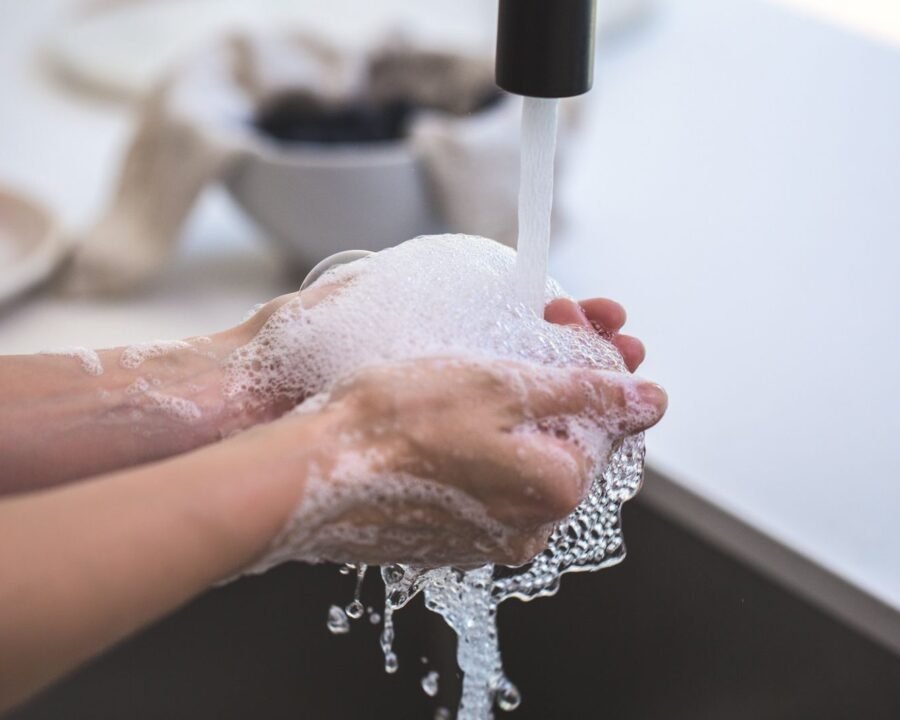
- Wash your hands before touching the tattoo.
- Use lukewarm water and a mild fragrance-free cleanser.
- Pat the tattoo dry instead of rubbing it.
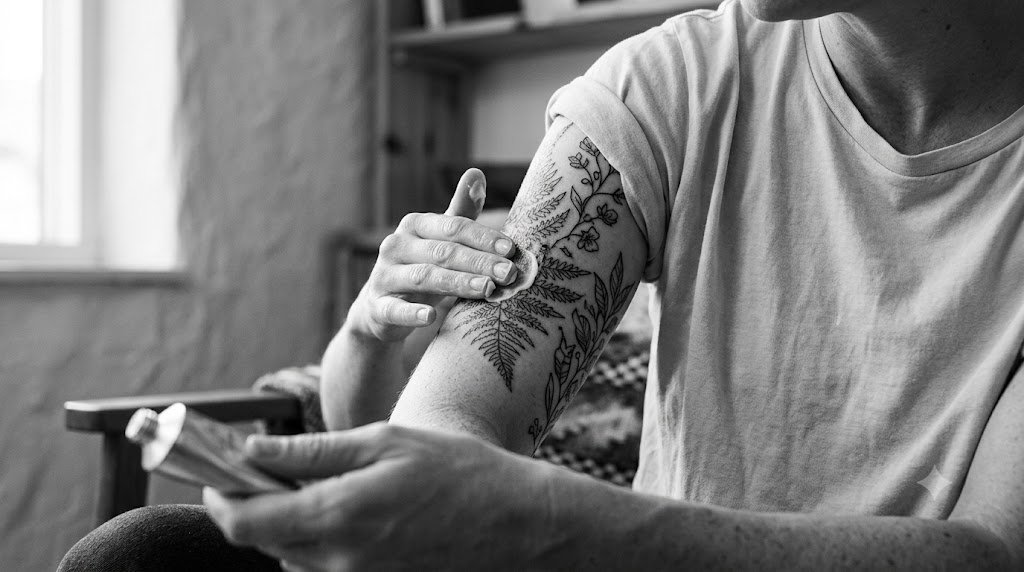
- Apply only a thin layer of the recommended moisturizer.
- Wear loose, clean, breathable clothing.
- Use a clean, cool compress briefly without soaking the tattoo.
- Keep the tattoo away from direct sunlight and excessive heat.
Our full tattoo aftercare guide covers cleaning, moisturizing, clothing, bathing, and other important healing habits.
What Should You Avoid Doing?
Do not scratch the tattoo, even when the itching is intense. Scratching can damage healing skin, remove scabs prematurely, introduce bacteria from your fingernails, and affect the tattoo’s appearance.
Do not slap, exfoliate, shave, or scrub the area. Avoid strongly scented lotions, essential oils, alcohol-based products, and medicated creams unless a healthcare professional recommends them.
Applying a thick layer of moisturizer is not better. The tattoo should feel comfortable rather than greasy or wet. Read whether you should apply Vaseline to a new tattoo before choosing a heavy petroleum product.
Can You Wash an Itchy Tattoo?
Continue cleaning the tattoo according to your artist’s instructions. Use clean hands, lukewarm water, and the recommended mild cleanser. Do not use a washcloth, loofah, sponge, or body scrub.
A quick shower is generally different from soaking the tattoo. Our guide to how you should shower after a tattoo explains water temperature, cleanser, coverings, and drying.
Why Is an Old Tattoo Suddenly Itchy?
An older, fully healed tattoo can itch because of ordinary dry skin, heat, friction, sun exposure, or a separate skin condition. However, tattoo reactions can also develop months or years after the tattoo was created.
Pay attention to whether the reaction affects the entire area or only one ink color. Persistent raised bumps, swelling, scaling, blisters, deep lumps, or a rash limited to a particular color should be evaluated by a dermatologist.
Do not assume that every change is caused by the tattoo. Eczema, psoriasis, contact dermatitis, insect bites, and other skin conditions can appear near tattooed skin and may require different treatment.
When Is Tattoo Itching an Emergency?
Seek immediate medical help if the itching or tattoo reaction appears with trouble breathing, tightness in the chest, dizziness, a racing heartbeat, widespread hives, intense swelling, or swelling of the face, mouth, or throat. These can be signs of a serious allergic reaction.
Contact a healthcare professional promptly for spreading redness, worsening pain, increasing heat, significant swelling, pus, red streaks, fever, chills, blisters, or open sores.
The FDA advises contacting both a healthcare professional and the tattoo artist when a tattoo is not healing correctly or develops a rash, bumps, or fever. See the FDA’s official tattoo safety information.
Itching that is worst in a band around where a bandage sat, rather than across the tattoo itself, usually has a different cause. See allergic reactions to second skin for how to tell the two apart.
Itchy Tattoo FAQ
Is it normal for a tattoo to itch after 2 weeks?
Yes. Two weeks in, most tattoos are peeling, and peeling skin itches. As long as there’s no spreading redness, swelling, or discharge, itching at the two-week mark is a standard part of healing and usually settles once the flaking stops.
When can I scratch my new tattoo?
Don’t scratch a healing tattoo at all — usually that means hands off for about three to four weeks, until the skin has fully closed and finished peeling. Scratching can pull out ink and open the skin to bacteria. Pat, tap, or apply a cool compress instead — and if the itch is worst at night, our guide on how to sleep with a new tattoo can help you avoid scratching in your sleep.
What can I put on my tattoo to stop the itching?
A thin layer of fragrance-free moisturizer is the safest everyday option. A clean, cool compress over the area also calms the itch quickly. Avoid anything medicated, scented, or exfoliating on a healing tattoo, and don’t pile on extra lotion to chase the itch — that leads to over-moisturizing your tattoo, which slows healing.
Why is my tattoo itchy but not peeling?
Itching can start a few days before peeling begins, so an itch with no flakes is common early on. Dry skin, clothing friction, and sweat can also cause it. If the itch comes with a rash or bumps, consider a reaction to a product you’re using.
The Bottom Line
Why is my tattoo itchy? Mild itching is commonly caused by normal healing, dryness, or friction and should gradually improve. Keep the tattoo clean, moisturize lightly, wear loose clothing, and resist scratching or peeling the skin.
Severe itching, a reaction limited to one ink color, worsening pain, spreading redness, unusual drainage, fever, or breathing problems require professional medical attention.
This article provides general educational information and does not replace personalized medical advice or instructions from your tattoo artist.
This is one part of the full second skin process — see our complete second skin tattoo aftercare timeline for the whole picture, from application to removal.