Paste everything below into the article body. Do not repeat the WordPress title.
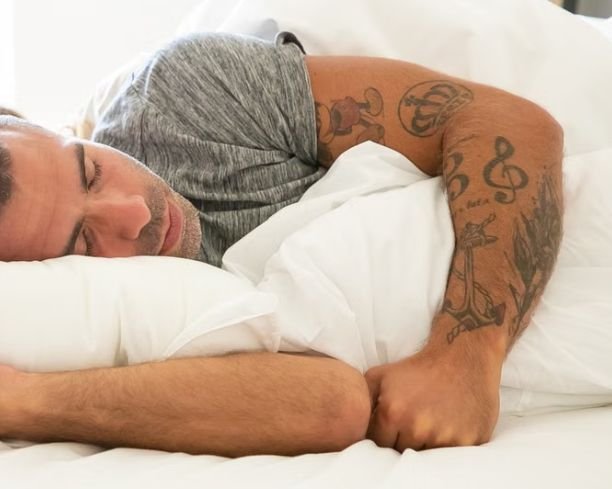
Learning how to sleep with a new tattoo mainly involves preventing pressure, friction, contamination and accidental scratching. Sleep on the opposite side whenever possible, use freshly washed bedding, wear loose breathable clothing and follow your artist’s instructions for the original covering.
The first few nights usually require the most care because the tattoo may feel tender and release small amounts of plasma, blood and excess surface ink. As the surface settles, sleeping normally should gradually become more comfortable.
How to Sleep With a New Tattoo Safely
Before going to bed:
- Follow the covering instructions provided by your artist.
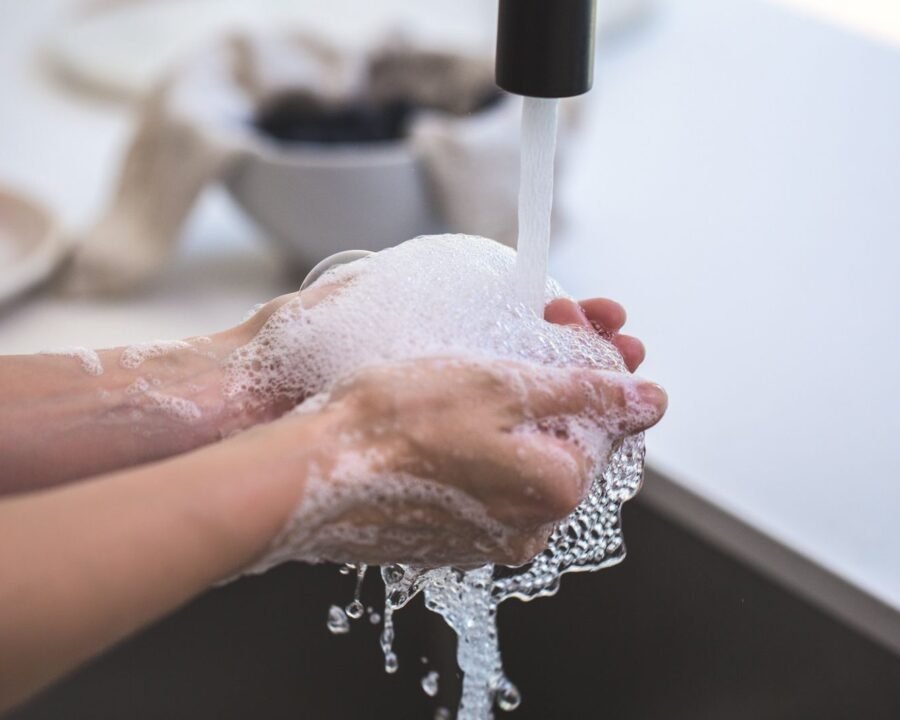
- Wash your hands before touching the area.
- Use clean sheets and pillowcases.
- Choose a position that keeps your weight off the tattoo.
- Wear loose, clean and breathable clothing.
- Keep pets away from the bed.
- Keep the bedroom comfortably cool.
- Avoid alcohol if it makes you sleep heavily or carelessly.
- Protect the mattress without wrapping the tattoo in household plastic.
- Check the tattoo and covering when you wake up.
A new tattoo is controlled trauma to the skin and needs appropriate care while healing. Cleveland Clinic recommends following your artist’s covering instructions, cleaning gently and avoiding tight clothing in its dermatologist-reviewed tattoo aftercare guidance.
10 Essential Tips for Sleeping With a New Tattoo
1. Follow Your Artist’s Bandage Instructions
Your artist’s instructions should come first because the correct routine depends on the type of covering used.
A traditional dressing may need to be removed within several hours. An adhesive second-skin film may remain for longer when properly applied. Do not remove the covering simply because you are going to bed unless your artist instructed you to do so.
If you have second skin, check that:
- The entire tattoo remains covered.
- The adhesive edges are sealed.
- No fluid is leaking outside.
- No outside water has entered.
- The film is not causing significant burning or irritation.
Read our guide explaining how long to leave second skin on a tattoo for product-specific considerations.
2. Use Freshly Washed Bedding
Change your sheets and pillowcases before the tattoo appointment or before your first night home. Bedding collects sweat, body oils, dead skin, pet hair, dirt and other material that should not repeatedly contact a fresh tattoo.
Choose smooth, breathable sheets without rough textures. Older dark-colored sheets can be useful because small amounts of plasma or excess ink may leave temporary stains.
Do not sleep on bedding that has been used for several days without washing it. Continue changing the bedding regularly during the early healing period, particularly if the tattoo leaks onto the sheets.
3. Keep Your Weight Off the Tattoo
Sleep in a position that avoids direct pressure on the tattooed area.
Pressure may increase tenderness, trap heat and moisture or cause the tattoo to rub against bedding. It can also make you wake up uncomfortable if the area becomes stuck to clothing or sheets.
Use pillows to support your body and reduce the chance of rolling onto the tattoo. Do not place a rough pillow or towel directly against uncovered tattooed skin.
4. Wear Loose, Breathable Clothing
Loose, freshly washed cotton clothing can create a light barrier between the tattoo and the bedding without tightly compressing the area.
Avoid:
- Tight sleeves
- Compression garments
- Tight waistbands
- Rough fabrics
- Clothing with irritating seams
- Clothing that sticks to the tattoo
- Items that repeatedly rub during movement
If clothing becomes damp with fluid or sweat, replace it with a clean item rather than allowing wet fabric to remain against the tattoo.
5. Keep the Bedroom Cool
A warm bedroom and heavy blankets can increase sweating. Sweat combined with friction and damp fabric may irritate recently tattooed skin.
Use breathable bedding and maintain a comfortable room temperature. Avoid placing a heating pad or heated blanket directly over the tattoo.
If you wake up sweating, gently clean and dry the tattoo according to your artist’s instructions. Replace damp clothing or bedding.
6. Clean the Tattoo Before Bed
If the original covering has been removed and your artist instructed you to begin open aftercare, gently clean the tattoo before sleeping.
- Wash your hands.
- Rinse the tattoo with lukewarm water.
- Use a mild, fragrance-free cleanser if recommended.
- Clean with your fingertips rather than a sponge or washcloth.
- Rinse thoroughly.
- Pat dry with a clean disposable paper towel.
- Allow it to finish air-drying.
- Apply only a thin layer of the recommended moisturizer.
Do not scrub the tattoo or coat it in a thick layer of ointment. Our tattoo aftercare guide explains the complete routine.
7. Protect the Bedding, Not by Suffocating the Tattoo
If you are concerned about staining the mattress, place clean protection beneath the fitted sheet or use a clean sheet that you do not mind staining.
Do not tightly wrap an uncovered tattoo in household plastic solely for sleeping. An improvised airtight covering can trap moisture and heat and may rub against the area.
Only use a tattoo film or dressing according to the instructions given by your artist and the manufacturer.
8. Keep Pets Out of the Bed
Even clean-looking pets can carry dirt, hair and microorganisms on their paws and fur. They may also lick, scratch, step on or rub against the tattoo while you sleep.
Keep pets out of the bedroom or away from the bed during the early healing period. Replace bedding if a pet walks over the area where the fresh tattoo will rest.
9. Avoid Scratching in Your Sleep
Itching can become noticeable as the tattoo dries and begins peeling. Scratching may remove flakes or scabs prematurely and irritate the skin.
To reduce accidental scratching:
- Keep your fingernails short and clean.
- Moisturize only as instructed.
- Keep the room cool.
- Wear loose clothing over the area when appropriate.
- Avoid rough bedding.
- Do not pick at peeling skin before bed.
If itching is severe, persistent or accompanied by a spreading rash or blisters, contact a qualified healthcare professional. Our guide explains why a healing tattoo may itch.
10. Check the Tattoo When You Wake Up
Inspect the tattoo, clothing and covering each morning.
Check for:
- A lifted or leaking bandage
- Clothing stuck to the tattoo
- Excessive moisture
- New friction marks
- Increasing swelling
- Worsening pain
- Spreading redness
- Unusual drainage
A small amount of clear fluid, excess ink or blood can occur early. Symptoms should generally improve rather than become progressively worse.
Best Sleeping Position by Tattoo Placement
| Tattoo placement | Suggested sleeping approach |
|---|---|
| Back | Sleep on your stomach or supported side |
| Chest or sternum | Sleep on your back with the upper body slightly supported |
| Ribs or side | Sleep on the opposite side or back |
| Shoulder | Sleep on the opposite shoulder or back |
| Upper arm | Sleep on the opposite side and avoid trapping the arm underneath you |
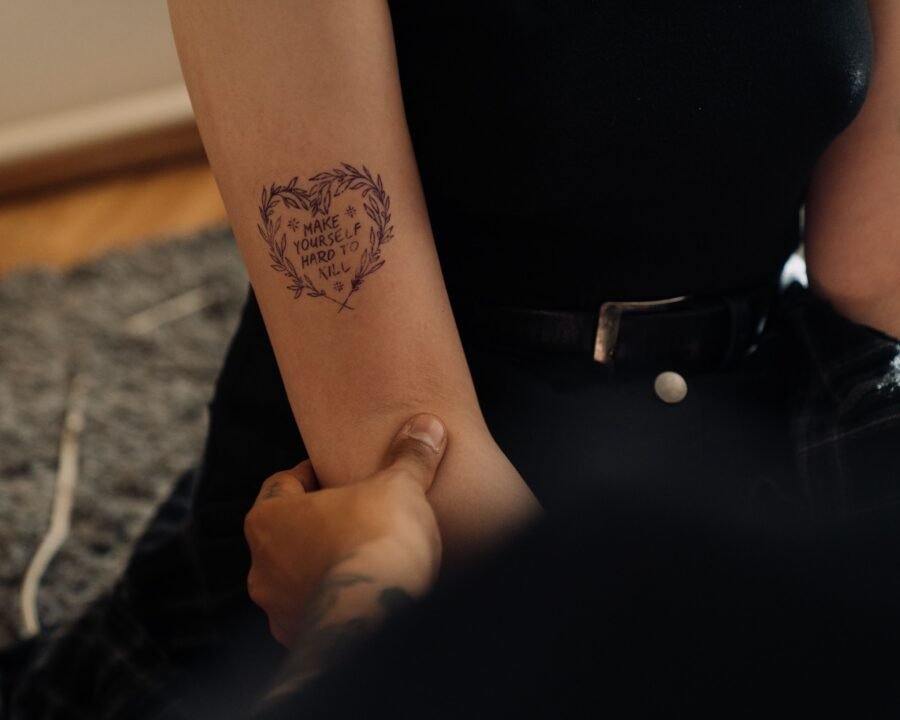
| Forearm or wrist | Rest the arm on a clean pillow without pressing the tattoo into it |
| Stomach | Sleep on your back or side |
| Hip or outer thigh | Sleep on the opposite side or back |
| Front thigh | Sleep on your back while keeping heavy bedding from rubbing |
| Calf | Sleep on your side or stomach with the leg supported |
| Ankle or foot | Elevate slightly on a clean pillow if comfortable |
| Neck | Adjust the pillowcase and position to prevent repeated rubbing |
These are general starting points. Choose the position that keeps direct weight and friction away from the tattoo without causing neck, back or joint pain. Our guide to healing a sternum tattoo covers the clothing side of that first fortnight.
Sleeping With a New Back Tattoo
Back tattoos can be difficult because many people naturally sleep on their backs.
Try sleeping on your stomach if that position is comfortable and safe for you. Side sleeping may also work if the tattoo does not extend across the side touching the mattress.
Use clean, smooth bedding and avoid shirts with thick seams, labels or rough fabric across the tattoo. A large back tattoo may remain tender longer than a small design.
Sleeping With a New Arm or Shoulder Tattoo
Sleep on the opposite side or on your back, depending on the exact location.
Avoid trapping the tattooed arm beneath your head, pillow or body. Support the arm using a clean pillow if necessary, but avoid pressing the tattoo directly into rough fabric.
Loose sleeves can help prevent accidental contact, provided they do not stick or rub.
Sleeping With a New Leg Tattoo
A thigh, calf, ankle or foot tattoo may rub against the opposite leg or bedding.
Place a clean pillow between your legs if it prevents them from touching. Do not use a pillow that places direct pressure against the tattoo.
Keep heavy blankets from repeatedly dragging over foot and ankle tattoos. Loose, clean clothing may provide light protection when recommended by your artist.
Sleeping With a New Chest, Rib or Stomach Tattoo
Sleep on your back when the tattoo is on the chest or stomach. For a rib or side tattoo, use the opposite side.
A slightly elevated upper-body position may feel more comfortable after a large chest or rib tattoo. Avoid tight shirts and waistbands that create pressure while you move during sleep.
How Long Should You Avoid Sleeping on a New Tattoo?
There is no exact waiting period for every tattoo.
Avoid direct pressure while the tattoo is:
- Releasing fluid
- Very tender
- Swollen
- Sticking to fabric
- Actively peeling or heavily scabbed
- Uncomfortable when pressed
The first two or three nights usually require the most attention, but larger tattoos and placements that receive frequent pressure may need additional time.
Gradually return to your normal sleeping position when the surface is dry, movement is comfortable and pressure no longer causes irritation. Our guide to the tattoo healing stages explains how the appearance may change over time.
What If the Tattoo Sticks to the Sheets?
Do not pull the skin away forcefully.
If fabric becomes stuck:
- Remain calm and avoid sudden movement.
- Take the attached fabric with you to the shower if possible.
- Apply lukewarm water to loosen it gradually.
- Allow the material to release without ripping it away.
- Gently wash the tattoo.
- Pat it dry using a clean disposable paper towel.
- Replace the bedding and clothing with clean items.
Pulling dry fabric away may irritate the tattoo and remove peeling skin prematurely.
What If the Tattoo Leaks During the Night?
Small amounts of plasma, blood and excess surface ink may appear during the first night.
If the tattoo is uncovered, clean it according to your artist’s instructions and replace stained bedding or clothing.
If fluid is escaping from beneath an adhesive film, the seal may have failed. Do not patch or puncture the film. Follow our guide about second skin leaking after a tattoo.
Can You Sleep With Second Skin on a Tattoo?
Yes, when the film was applied correctly and your artist instructed you to keep it on.
Second skin may help protect the tattoo from bedding, friction and accidental scratching. However, it must remain fully sealed.
Remove it according to the product and artist’s instructions if:
- Fluid leaks outside
- The tattoo becomes exposed
- Water enters underneath
- The film develops a tear
- Significant burning, blistering or irritation occurs
Do not add household tape to repair a broken seal.
Can You Sleep Without Covering a New Tattoo?
Yes, if your artist instructed you to remove the original covering and begin open aftercare.
Before sleeping, gently clean and dry the tattoo. Use clean bedding, loose clothing and a sleeping position that prevents pressure and rubbing.
Do not re-wrap the tattoo using household plastic without instructions from your artist.
Should You Moisturize Before Sleeping?
Apply a small amount of the moisturizer recommended by your artist after cleaning and drying the tattoo.
The layer should be thin. The skin should not look heavily coated, wet or greasy. Excessive moisturizer may leave the tattoo damp and cause clothing or bedding to stick.
Read our guide explaining how often to moisturize a new tattoo.
When Should You Contact a Healthcare Professional?
Some soreness, mild redness and limited clear fluid can occur during early healing. Seek medical advice if you experience:
- Rapidly spreading redness
- Pain that continues becoming worse
- Increasing heat or substantial swelling
- Thick pus or unusual drainage
- Red streaks extending from the tattoo
- Fever or chills
- A severe or spreading rash
- Widespread blistering
- A strong odor that remains after cleaning
TattooPiece cannot diagnose an infection or skin reaction.
Frequently Asked Questions
Can I sleep on my new tattoo the first night?
Avoid placing direct body weight on it. Sleep on the opposite side or choose another position that prevents pressure, rubbing and sticking.
Should I cover my tattoo when sleeping?
Keep the artist-applied covering on for the instructed period. After removal, do not improvise another covering unless your artist recommends it.
Can I sleep under a blanket with a new tattoo?
Yes, but use clean, breathable bedding and prevent heavy or rough blankets from rubbing directly against the tattoo.
What should I wear to bed after a tattoo?
Wear clean, loose and breathable clothing. Avoid compression garments, tight sleeves, restrictive waistbands and rough seams over the tattoo.
How many nights should I use clean sheets?
Begin with freshly washed bedding and replace it whenever it becomes stained, damp or dirty. Keep the sleeping environment especially clean throughout the early healing stage.
Can my pet sleep beside me after a tattoo?
Keep pets away from the fresh tattoo and preferably out of the bed during early healing. Fur, paws, licking and accidental scratches can contaminate or irritate the area.
Is it normal for a tattoo to stain the sheets?
Small amounts of plasma, blood and excess surface ink may stain bedding during the first night. Heavy or persistent drainage, worsening pain or other concerning symptoms should be evaluated.
When can I sleep normally again?
Return gradually when the tattoo is dry, comfortable under light pressure and no longer actively releasing fluid or sticking to fabric. Timing varies by size and placement.
The Bottom Line
The best way to sleep with a new tattoo is to keep pressure, friction, sweat and contaminants away from it.
Follow your artist’s covering instructions, begin with clean bedding, sleep on the opposite side and wear loose clothing. Do not rip away stuck fabric, scratch peeling skin or improvise an airtight covering.
The first few nights generally require the most care. Continue protecting the tattoo until sleeping in your usual position no longer causes rubbing, sticking or discomfort.
This article provides general educational information and does not replace personalized instructions from your tattoo artist or medical care from a qualified healthcare professional.