If you’re wearing second skin on a fresh tattoo and the itch under the film is driving you crazy, you’re not alone — and in most cases, you’re also not in trouble. Itchy under second skin tattoo is one of the most common questions new tattoo owners ask, and the short answer is reassuring: mild itching during healing is normal. This guide explains exactly why it happens, what the milky fluid under the film means, and the specific signs that tell you it’s time to act. If you’re also dealing with general tattoo itch outside of second skin, see our guide on why tattoos itch and how to stop it fast.
Why Is It Itchy Under Second Skin on a Tattoo?
Second skin (also sold as Saniderm, Dermalize, and similar brands) is a thin, breathable adhesive film your artist applies right after tattooing. It protects the fresh wound from bacteria, keeps moisture in, and lets the skin begin healing. As helpful as it is, the film can make that natural healing itch feel more intense because you can’t scratch or air the area out.
Your Skin Is Actively Healing
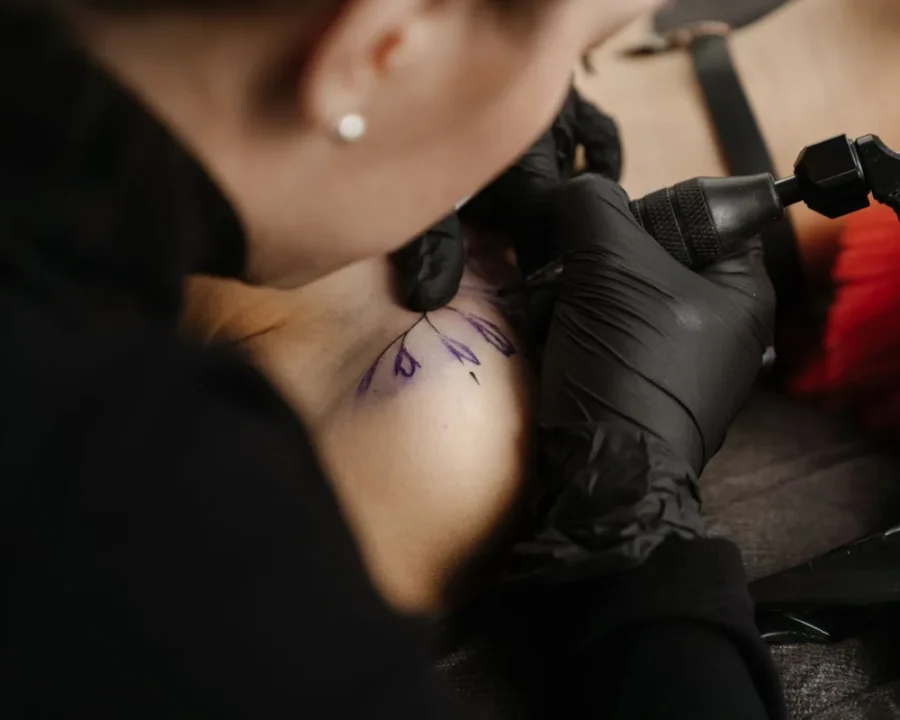
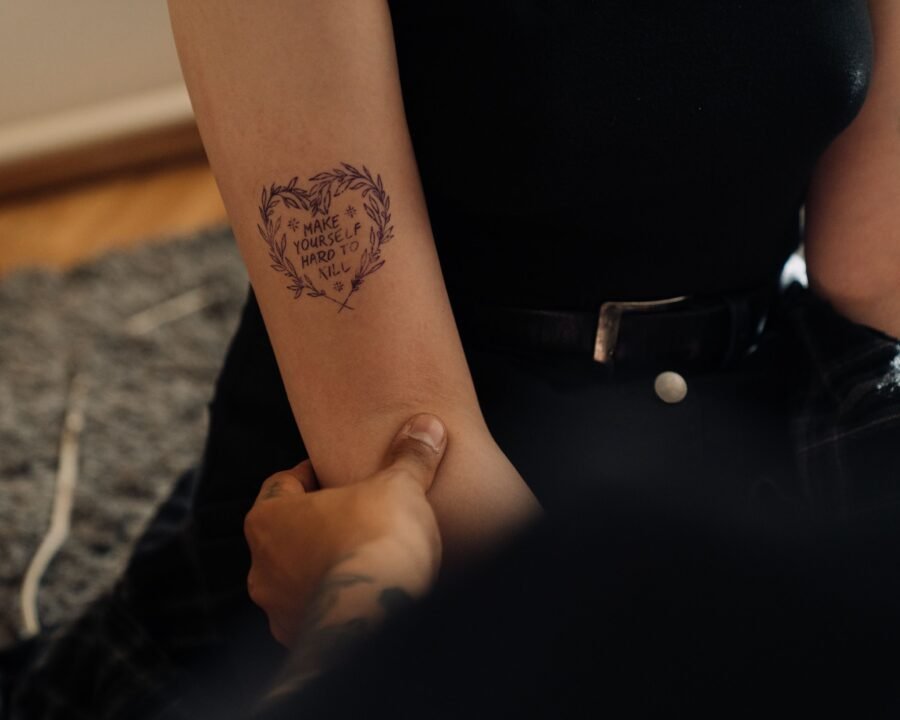
Getting tattooed is a controlled form of trauma to the skin. Needles push pigment into the dermis — the middle layer — thousands of times per minute, and your body immediately starts repairing the damage. According to dermatologists at Cleveland Clinic, itching and flaking in the first two weeks of tattoo healing are a normal part of this repair process. The same source notes that you may also notice the tattoo oozes — a mix of blood and ink — in the early days, which is equally expected.
The American Academy of Dermatology (AAD) confirms this: after getting a tattoo, it is normal to see redness and swelling, feel soreness, notice clear fluid oozing from the fresh tattoo, and experience itching and flaking as the skin heals.
The Adhesive Itself Creates Sensation
The second skin film clings tightly to your skin. As the skin beneath swells slightly during the inflammatory phase of healing, the adhesive pulls and stretches with it. That constant gentle tension on skin that is already sensitive from tattooing can read as an itch, even when there is no actual scratch-worthy irritation underneath. It is the combination of healing skin and a snug adhesive layer that makes the sensation feel more noticeable than it would with traditional wrap.
What Is the Milky or Cloudy Fluid Under Second Skin?
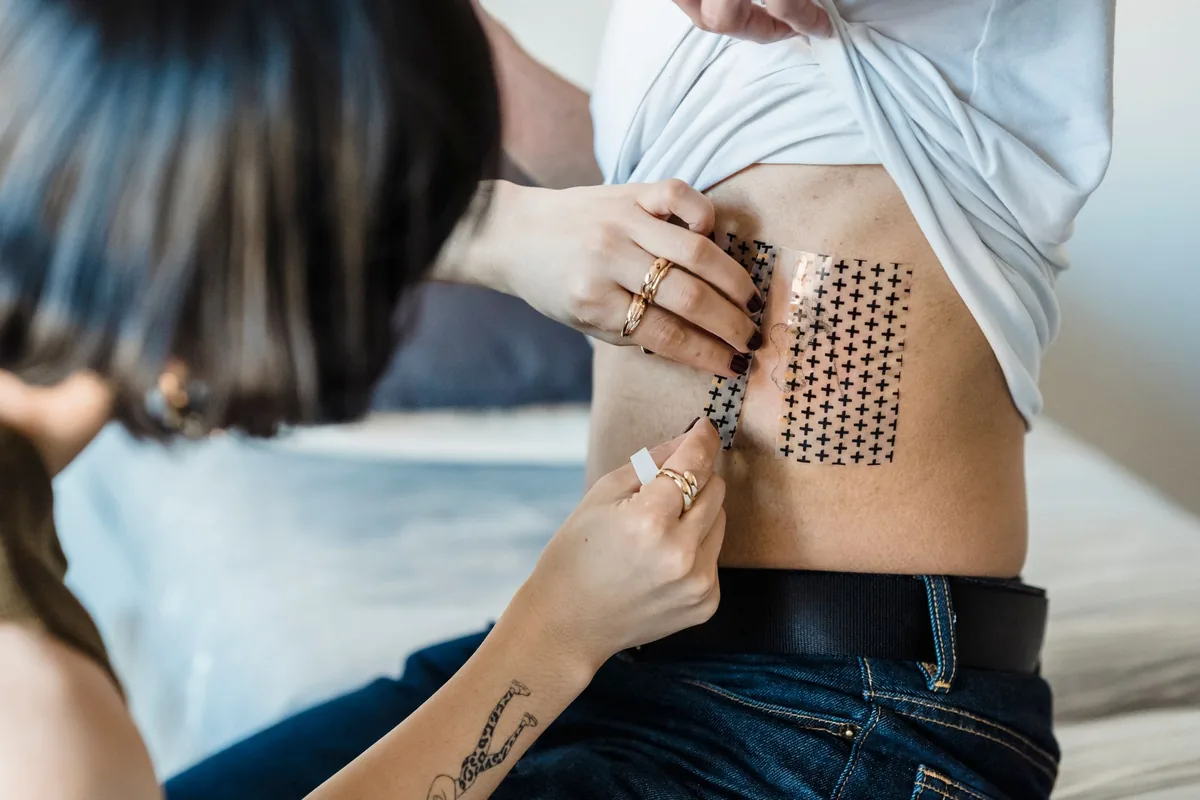
Photo: Michael Burrows / Pexels
You lift your shirt and see a cloudy, whitish pool of liquid trapped under the film. This is one of the most alarming-looking parts of the second skin process, but it is generally nothing to worry about.
Cleveland Clinic describes the early ooze from a new tattoo as a mix of blood and ink. As your body heals, the wound also releases plasma — the clear, yellowish liquid component of blood — and lymphatic fluid as part of the normal inflammatory response. Trapped under the film, this mixture takes on a milky or cloudy white appearance, especially as excess ink mixes in. The fluid is doing a job: it keeps the wound moist, which is exactly the environment second skin is designed to maintain.
The fluid is not a sign of infection on its own. The concern comes only when other warning signs appear alongside it — see the table below.
One practical note: if the fluid pocket becomes very large and the edges of the film start to lift because of the weight, the seal is breaking. At that point, bacteria can enter, and the protective benefit is lost. You may need to remove and replace the film, or switch to traditional aftercare — check the full second skin aftercare timeline for replacement steps.
Normal Healing Signs vs. Warning Signs at a Glance
Use this table to sort what you are seeing into the right category. If you see any warning signs, skip the rest of this guide and go to the section on when to see a doctor.
| Sign | Normal? | What It Means |
|---|---|---|
| Mild itch under the film | ✅ Yes | Active skin repair; peaks in the first 1–2 weeks (Cleveland Clinic) |
| Milky or cloudy fluid under film | ✅ Yes | Mix of plasma, lymph fluid, and excess ink (Cleveland Clinic) |
| Some redness and swelling under film | ✅ Yes (first 2–3 days) | Normal inflammatory response (AAD) |
| Film edge lifting | ⚠️ Act on it | Seal broken — remove and replace or switch to lotion aftercare |
| Redness spreading beyond the tattoo area | ❌ Warning sign | Possible infection or allergic reaction; see a doctor (AAD) |
| Increasing pain or pain that won’t subside | ❌ Warning sign | Possible infection (AAD) |
| Green, foul-smelling, or pus-like fluid | ❌ Warning sign | Possible infection; remove film and seek medical care (AAD / NHS) |
| Rash or blisters on skin outside the tattoo | ❌ Warning sign | Possible allergic reaction to adhesive (AAD) |
| Fever or chills | ❌ Warning sign | Systemic infection; see a doctor immediately (AAD) |
Should You Remove Second Skin Early When It’s Itchy Under Second Skin Tattoo?
The short answer is: no, not just because it itches. Removing the film early restarts the open-wound phase. An unwrapped, fresh tattoo is exposed to friction, bacteria, and air that dry it out — all of which can lead to scabbing, patchy healing, or infection.
Most tattoo artists recommend leaving the first layer of second skin on for 24 hours, and a second application for three to five days after that. The exact timeline depends on the size and placement of your tattoo — our full guide on when to take second skin off a tattoo walks through the timing in detail.
If the itch is manageable, press through it. Cooling the area gently (see the next section) or applying a cold, damp cloth on top of the film for a few minutes can take the edge off without breaking the seal.
How to Manage the Itch Without Peeling the Film
Photo: Kevin Bidwell / Pexels
Scratching is off the table — it can break the film or introduce bacteria at the edges. Here are safer options:
- Cool compress over the film. A clean, cold, damp cloth held gently against the outside of the film for a few minutes helps calm the skin underneath without lifting the adhesive edges.
- Stay cool and dry. Heat makes itching worse. Avoid hot showers, steam, and tight clothing over the tattooed area while the film is on. Loose, breathable fabric reduces friction and heat buildup under the film.
- Distract yourself. Tapping the skin around (not on) the tattooed area can briefly interrupt the itch signal without any risk to the film.
- Keep the area elevated when possible. If your tattoo is on an arm or leg, keeping it elevated slightly when resting reduces inflammation, which in turn reduces itch.
Do not apply any lotion, cream, or spray over or under the film while it is sealed. The point of second skin is to keep the healing environment controlled. Adding products under the edges creates a pathway for bacteria and can also cause the adhesive to lift prematurely.
When the Itch Means You Should Remove Second Skin
There are specific situations where removing the film early is the right call:
- The adhesive has fully lifted at the edges. Once air and bacteria can get underneath, the protection is gone. Remove it carefully — soak the edge in warm water, then peel slowly and gently — then follow standard lotion-based aftercare.
- You see a rash on skin beyond the tattoo. A rash that spreads outside the tattooed area points to a possible allergic reaction to the adhesive itself, not to tattoo ink. The AAD notes that contact with an irritant or allergen can cause itching, rash, and blisters on the affected skin. Remove the film, rinse with clean water, and contact a dermatologist if the rash persists.
- Fluid appears green or smells bad. This is a red flag for infection. Remove the film, gently clean the area with unscented, antibacterial soap, and see a doctor. NHS wound care guidelines advise seeking medical attention when a wound has pus or an odour.
- You develop a fever or chills. A systemic reaction to a tattoo infection is rare but serious. Seek medical care right away.
If your second skin came off earlier than expected for other reasons, see our guide on what to do when second skin comes off early for exact next steps. If fluid is leaking from the edges, our post on second skin leaking explains when that is a seal failure versus just condensation.
After You Remove Second Skin
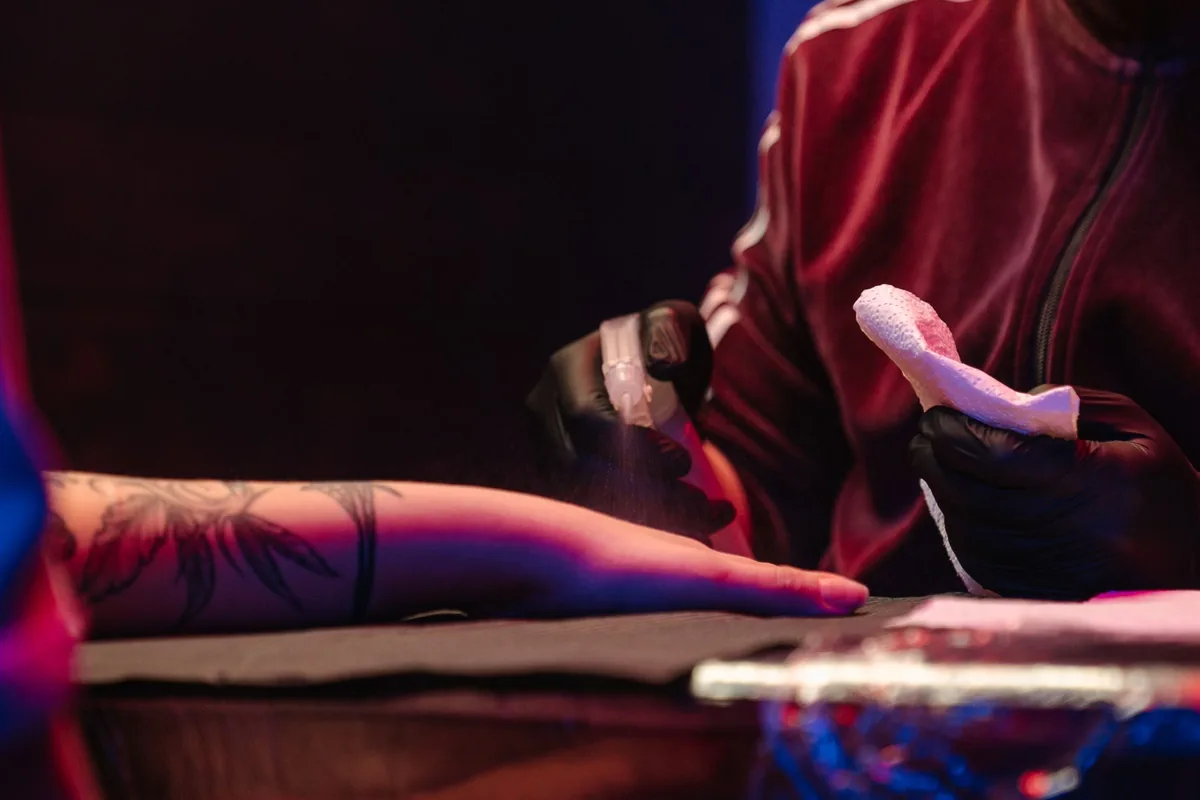
Photo: cottonbro studio / Pexels
Cleveland Clinic recommends washing gently with a mild, fragrance-free antibacterial soap twice a day, patting the area dry with a clean paper towel, and applying a thin layer of fragrance-free moisturizer. The AAD also notes that skin can react to tattoo ink in ways that are not immediately obvious — so monitor for any changes that persist beyond the normal healing window. Avoid tight clothing, sun exposure, and swimming until the tattoo is fully healed.
The top layer of skin typically heals within two months, though the deeper layers can take several months more. Itching and flaking during this period are still normal — the difference is that you can now apply a small amount of unscented lotion to relieve it instead of suffering through it.
For a complete timeline from tattooing to fully healed skin, see our second skin tattoo aftercare guide.
Frequently Asked Questions
Should I take off Saniderm if it’s itchy?
No, not solely because it itches. Mild to moderate itching is a normal healing sign. Only remove Saniderm early if the edges have fully lifted, the fluid smells bad or looks green, a rash is spreading outside the tattoo, or you have fever or increasing pain. Otherwise, try a cold compress on the outside of the film and leave it in place.
Is it normal for a tattoo to look milky under second skin?
Yes. The milky or cloudy appearance comes from plasma, lymph fluid, and excess tattoo ink collecting under the film. This is a sign that the healing process is active and that the second skin is doing its job — keeping the wound moist. It looks alarming but is expected. The fluid becomes a concern only if it turns green, develops an odour, or the film edge lifts and lets air in.
Can I take second skin off after 1 day?
You can, but it is not recommended unless the film has already failed. Most artists apply second skin in two stages — the first layer is usually removed after 24 hours, and a second, fresh layer is then applied and left on for two to five more days. Removing at 24 hours and switching to lotion-based aftercare is acceptable if second skin is causing discomfort, but the longer protected phase generally leads to better results. Check with your artist for the method they recommend.
How to tell if second skin is compromised?
Look for lifted edges (no longer sealed to the skin), excessive leaking of fluid from under the film rather than staying pooled beneath it, a bubbled or wrinkled surface that has lost contact with the skin, or any of the warning signs in the table above. A small air bubble here and there is usually fine and will flatten as the skin heals.
Is it normal for the second skin on a tattoo to be full of fluid?
Yes, a moderate pooling of fluid is normal and expected, especially in the first 24–48 hours. The film is designed to keep that fluid (plasma, lymph, ink) in contact with the healing wound. The volume typically decreases after the first day. If the pool grows so large that the film edges start to peel away from the weight, that is the signal to remove and replace the film or transition to lotion aftercare.
What does it mean if the itch gets worse after day 3?
Itching can intensify a little as the skin deeper layers begin to repair — this is still within the range of normal, according to Cleveland Clinic’s two-week window for normal healing itch and flaking. However, if the itch is accompanied by increasing redness that spreads outward, swelling, pain, or any visible signs of infection, remove the film and seek medical advice. Itch alone is not a red flag; itch paired with other symptoms is.