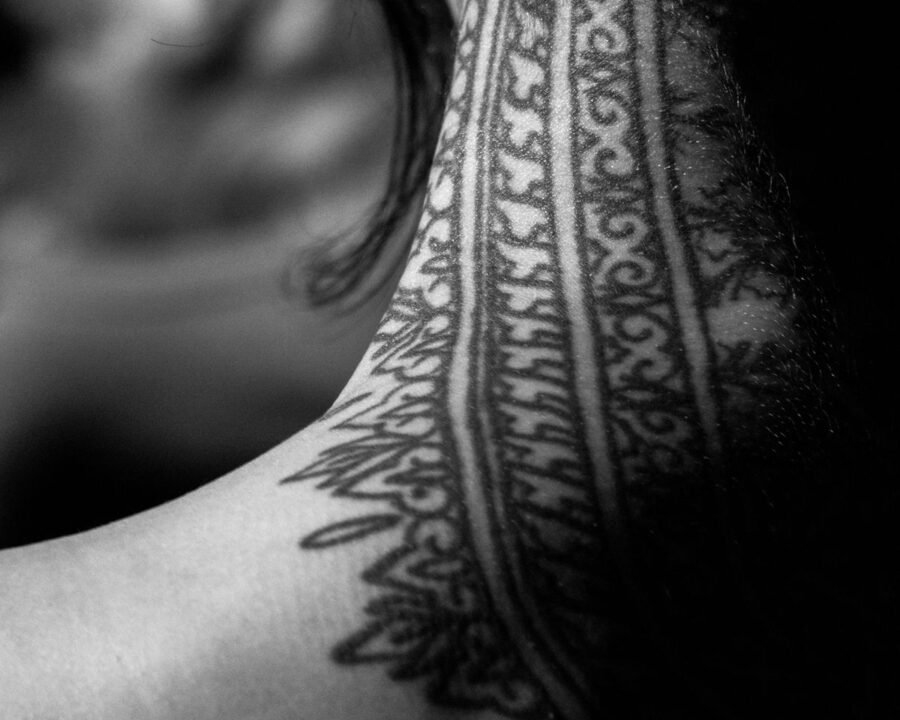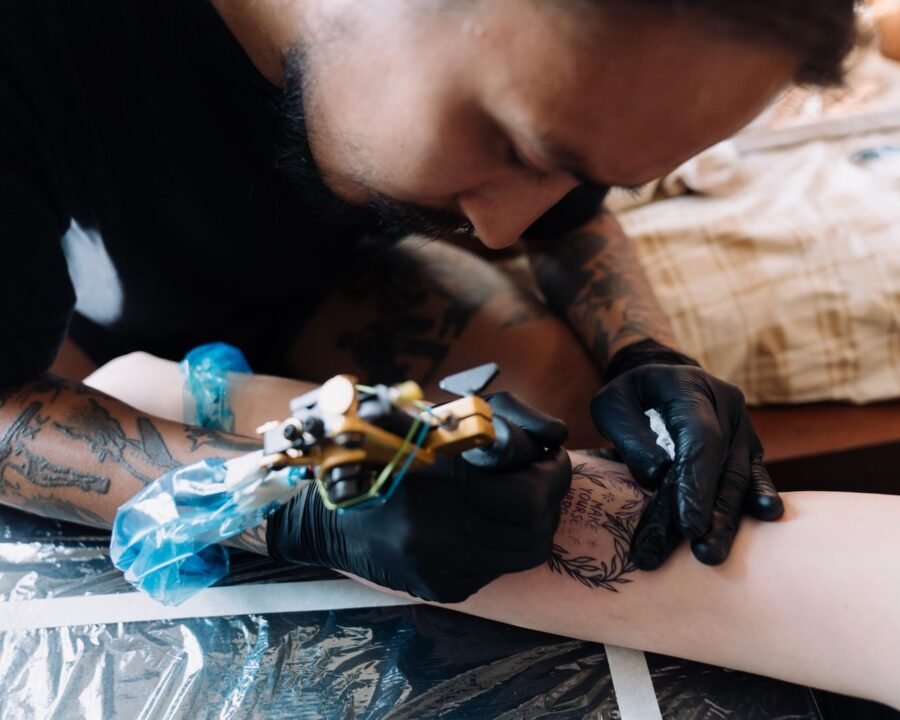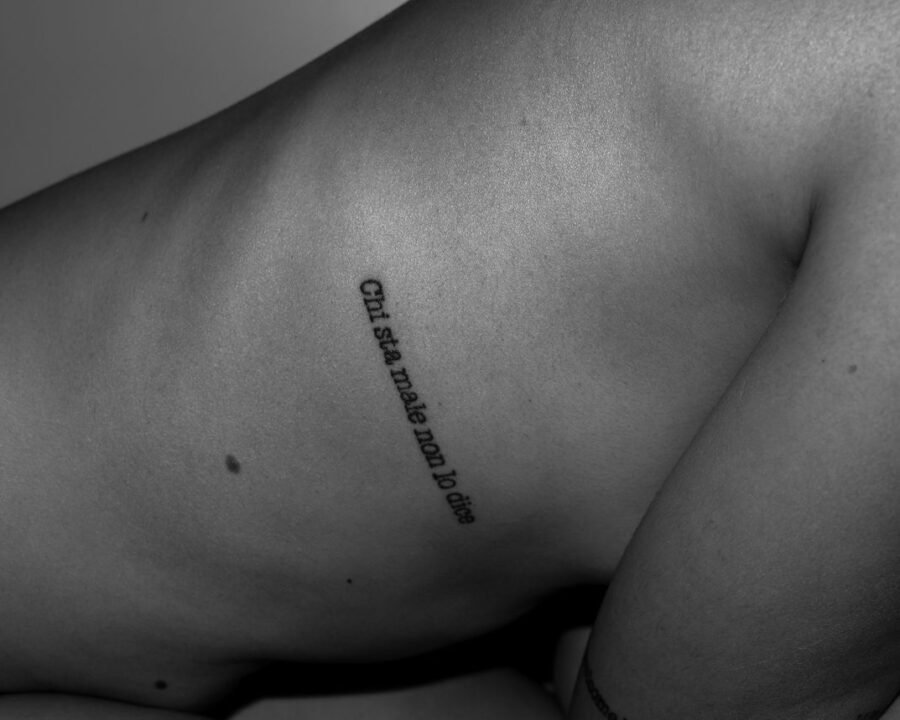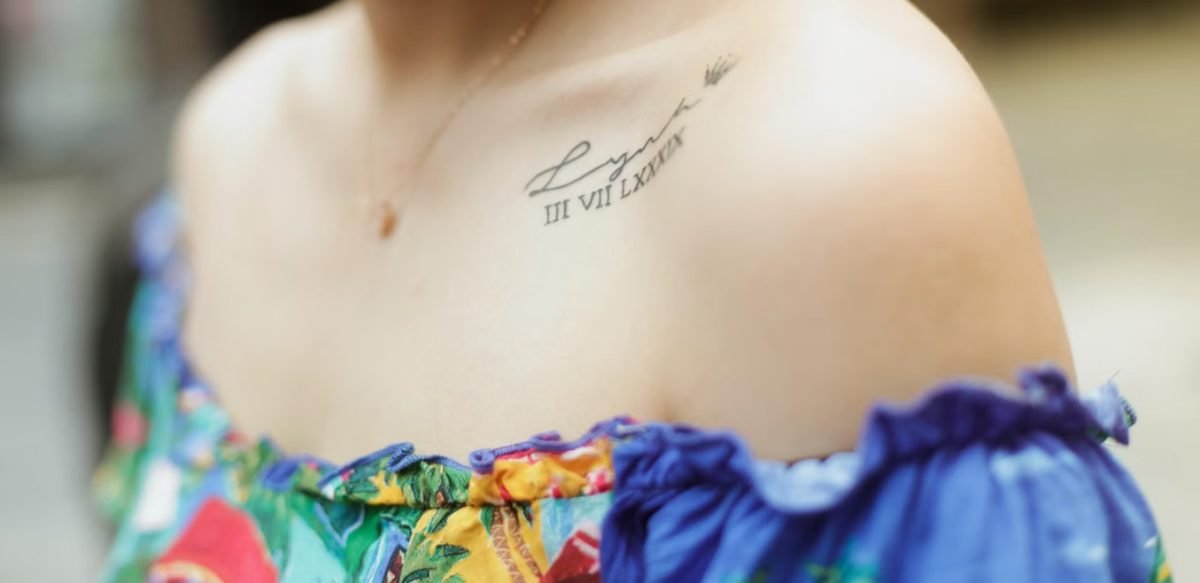
Collarbone tattoo pain is consistently rated among the most intense placements, and the anatomy explains why. See how this compares with every other placement in our tattoo pain chart. The neighboring sternum tattoo shares much of this anatomy and sits in the same pain band. The neck shares that band and is the placement people most often compare the collarbone with.
A collarbone tattoo hurts more than most placements — plan on it. The skin over the clavicle is thin, there is almost no fat or muscle underneath to cushion the needle, and the bone sits right below the surface, so vibration and pressure both come through more sharply than they would on your arm, thigh, or upper back. It is not the single most painful spot on the body, but it is consistently ranked in the top tier, alongside ribs, sternum, and spine. If you are booking a collarbone piece, go in expecting a genuinely uncomfortable session rather than a mild one. If you would rather start somewhere gentler, see the least painful tattoo spots. See exactly where it lands in our ranking of the most painful tattoo spots.
That does not mean you should avoid the placement — collarbone tattoos heal fine and look great on most body types. It just means the pain and the aftercare need a bit more planning than a forearm or calf piece would.
Why Collarbone Tattoo Pain Is Worse Than Fleshier Spots
Pain during tattooing comes down to what is between the needle and the nerve endings underneath your skin. On fleshier areas — outer thigh, calf, upper arm — there is a layer of fat and muscle that absorbs some of the impact and spreads out the sensation. The collarbone does not have that buffer. The clavicle is a long, shallow bone that sits almost directly under the skin along its entire length, so there is very little tissue to soften the needle’s vibration.
Two things compound this. First, the skin itself is thin in this area, which means nerve endings sit closer to the surface. Second, the bone conducts vibration, so instead of a dull, muffled sensation you get a sharper, more resonant one — people often describe it as a “buzzing straight into the bone” feeling rather than the scratchy burn you get on meatier spots. This is the same reason ribs, sternum, spine, and shins tend to rank high on most pain charts. If you want a broader sense of how the collarbone stacks up against other spots before you commit to it, our tattoo placement guide breaks down pain and healing by body area so you can compare.
How Pain Varies Along the Collarbone
The collarbone is not uniformly painful from end to end. Where exactly your design sits changes how much it stings, mostly because skin thickness and nerve density shift as you move from the center of your chest out toward your shoulder.
| Location | Typical pain level | Why |
|---|---|---|
| Near the sternum (center/inner end) | High — often the worst spot on the line | Bone is closest to the surface here and skin is thinnest; dense nerve concentration near the chest midline |
| Middle of the collarbone | High | Still directly over bone with minimal padding; consistent, sharp sensation along the whole line |
| Near the shoulder (outer end) | Moderate to high, slightly more tolerable | Skin has a touch more give as it blends into the shoulder muscle |
| Just below the collarbone (upper chest) | Moderate | More soft tissue than directly on the bone, so the buzzing sensation eases off |
If you are working with your artist on placement, keep in mind that a design that dips below the bone line, rather than tracing directly along it, will generally be a bit more bearable — worth asking about if your pain tolerance is a concern.
For more on how skin’s nerve endings and thickness vary by layer, Cleveland Clinic’s overview of skin anatomy breaks down what this comes down to.
Collarbone Tattoo Healing Timeline
A collarbone tattoo follows the same general healing stages as any other tattoo, but the location adds one complication that flatter, less-exposed spots do not have: constant contact with clothing and accessories. Here is what to expect week by week.
Days 1-3: Fresh and Tender
Expect redness, mild swelling, and soreness that feels more like a sunburn or bruise than the sharp sting of the needle. The area will be sensitive to touch and to pressure from clothing. This lines up with the initial inflammatory stage covered in our tattoo healing stages guide — it is normal, not a sign anything is wrong.
Days 4-14: Peeling and Itching
The skin starts to flake and peel, and itching kicks in as new skin forms underneath. This is the stage where people are most tempted to scratch — don’t. Picking at peeling skin over a collarbone tattoo can pull out ink unevenly, since the skin here is thin to begin with. Keep following a basic routine of gentle washing and light, fragrance-free moisturizer, as outlined in our full tattoo aftercare guide.
Weeks 3-6: Settling In
Surface healing is usually done within two to three weeks, but the deeper layers of skin can take four to six weeks to fully settle, and the tattoo may look slightly cloudy or dull for part of that stretch before the color and sharpness come through. Avoid direct sun on the area during this whole window, since new tattoos are especially prone to fading with UV exposure.
The Clothing Friction Problem
This is the part that trips people up on collarbone tattoos specifically. Unlike a thigh or upper-arm piece, the collarbone sits right where a lot of everyday clothing and accessories make contact, and friction on a healing tattoo can cause irritation, scabbing, or patchy fading. Plan around these before your appointment, not after:
- Bra straps — a standard strap sitting directly on a fresh tattoo will rub with every movement. Switch to a racerback, strapless, or off-shoulder style, or wear the strap pushed off to the side, for at least the first two weeks.
- Necklaces — skip anything that sits at or below the collarbone until the area is fully healed. Even light chains can catch on peeling skin.
- Seatbelts — the diagonal strap runs almost directly over one collarbone for most people. Use a seatbelt cover or pad, or reposition it slightly, for driving in the first week or two.
- Backpack and bag straps — cross-body bags and backpacks apply direct, repeated pressure across the collarbone. Switch to a handheld bag or carry it on the opposite shoulder until healed.
- Tight or high-necked tops — anything that presses or rubs across the area, including turtlenecks and fitted crew necks, should wait until the peeling stage is over.
If you know in advance that your daily routine involves a lot of one of these — a commute with a backpack, a job that requires a seatbelt for hours, a uniform with a fitted collar — mention it to your artist. They may suggest scheduling the tattoo around a lighter week, or adjusting placement slightly to sit clear of the worst friction points.
Tips for Getting Through the Session
You can not make a collarbone tattoo painless, but you can make the session more manageable.
- Eat and hydrate beforehand. Low blood sugar and dehydration make pain feel worse and increase the odds of lightheadedness during a long session.
- Sleep well the night before. Being rested genuinely raises your pain tolerance, especially for a session that might run over an hour.
- Wear a top that gives easy access. A button-up or wide-neck shirt means you are not wrestling with clothing over a freshly tattooed area afterward, and it saves your artist from working around fabric.
- Use breathing techniques. Slow, steady breathing through the sharper moments — especially near the sternum end — helps more than holding your breath or tensing up.
- Ask about breaks. Most artists are fine pausing briefly if the pain spikes, particularly on a longer or more detailed piece.
- Talk to your artist about numbing options. Topical numbing products exist for tattoos and can take the edge off, though they are not a guarantee of a pain-free session and effects wear off partway through longer sittings.
- Do the rest of your prep in advance. Everything from picking a reputable artist to knowing what to bring to your appointment affects how the session goes — our how to prepare for a tattoo guide covers the full checklist.
It also helps to be honest with your artist about your pain tolerance before the needle starts. A good artist will pace the session, work in a sensible order, and check in — especially on a placement they already know is going to be uncomfortable. Read our full guide to tattoo numbing cream before buying anything.
Frequently Asked Questions
Is a collarbone tattoo more painful than a rib tattoo?
They are close, and most people rate both in the same high range. Ribs and collarbone both sit close to bone with minimal padding, so pain reports vary more by individual tolerance than by a clear difference between the two spots. If anything, people who have had both tend to describe the collarbone as sharper and more localized, while ribs are described as more of a grinding, breath-affected pain.
How long until I can wear a normal bra after a collarbone tattoo?
Give it at least one to two weeks before going back to a standard strap sitting directly on the tattoo, and longer if the area is still peeling or tender. In the meantime, a racerback style, a strap pushed to the side, or a strapless option keeps pressure and friction off the healing skin.
Can I wear a seatbelt with a fresh collarbone tattoo?
Yes, you still need to wear your seatbelt — skipping it is not worth the safety risk. Use a seatbelt cover, fold a soft cloth under the strap, or adjust your seat position slightly so the belt sits a little off the tattoo. Keep an eye on the area after longer drives for any irritation.
Why does my collarbone tattoo still look dull or cloudy after a few weeks?
This is common on collarbone tattoos because the skin is thin and takes a bit longer to fully resettle, even after the surface has stopped peeling. A hazy or slightly dull look for the first month is usually part of normal healing, not a sign of a problem. If the area is still swollen, hot, oozing anything other than clear plasma, or getting worse rather than better past the two-week mark, that is when it is worth checking with your artist or a doctor rather than waiting it out.
This article provides general educational information about placement, pain, and healing. It does not replace personalized advice from your tattoo artist or a qualified healthcare professional.