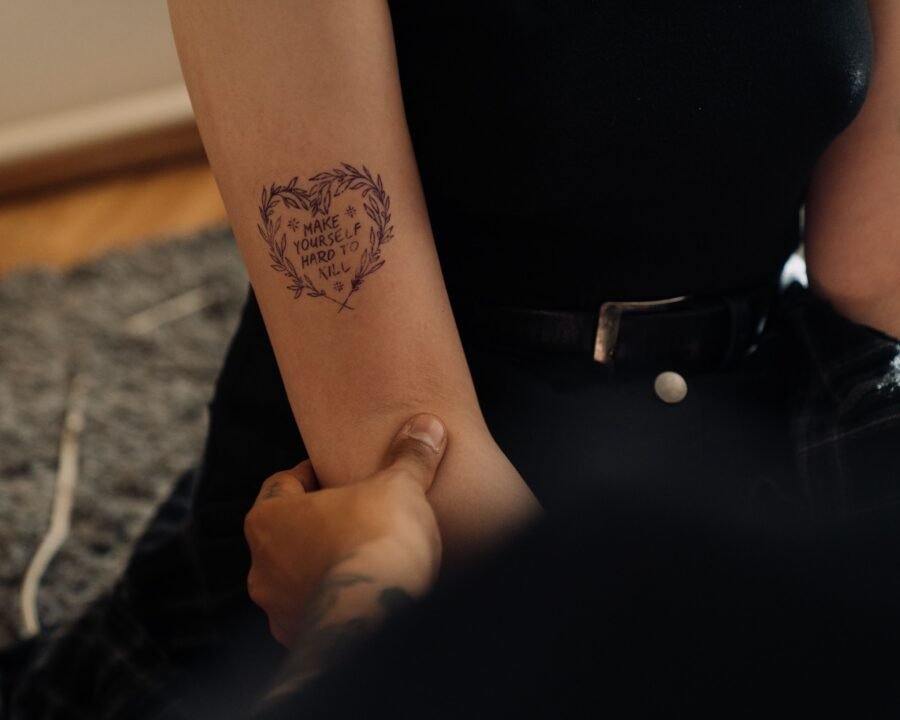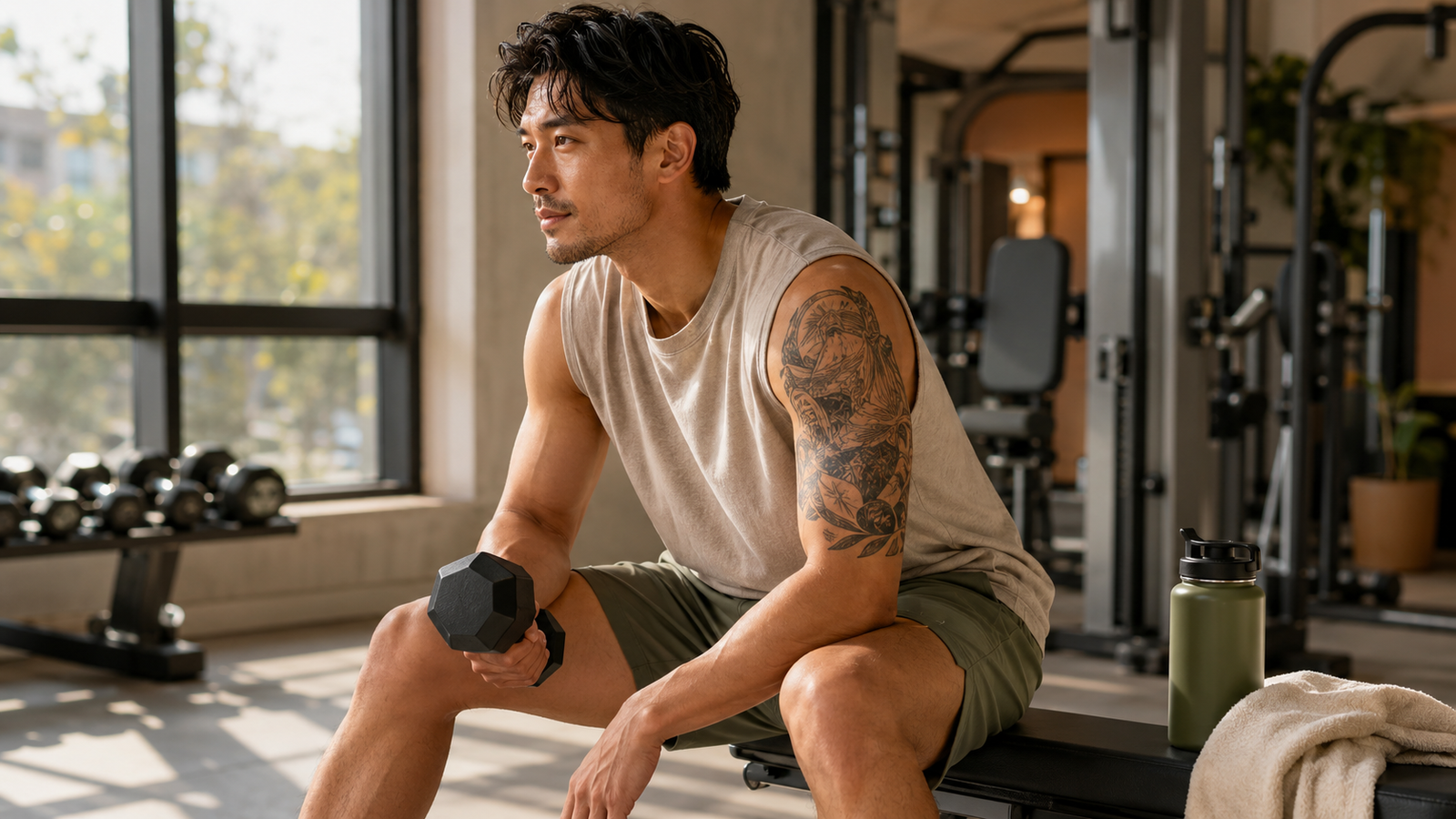
How long after a tattoo can you workout? You can do light, low-sweat exercise like walking 48 hours after getting a tattoo, but wait 1–2 weeks before heavy lifting, running, or anything that makes you sweat hard — and 2–4 weeks before swimming or contact sports. Your tattoo is an open wound for the first few days, and gyms are full of shared equipment and bacteria. The exact timing depends on the tattoo’s size and placement, so treat your artist’s instructions as the final word. Here’s the full timeline, activity by activity.
A relaxed walk may be comfortable sooner than weightlifting, running, contact sports, swimming, or hot yoga. Before returning, consider whether the activity will stretch the tattooed skin, create friction, expose it to shared equipment, or leave it soaked in sweat.
Why Exercise Can Affect a New Tattoo
Tattooing repeatedly punctures the skin to deposit pigment. The result is controlled skin trauma that requires time and appropriate aftercare to recover.
Cleveland Clinic describes tattoos as controlled trauma to the skin and warns that poor aftercare may contribute to irritation, infection, scarring, or changes in the finished tattoo. Read its dermatologist-reviewed tattoo aftercare guidance.
Exercise introduces several factors that may irritate recently tattooed skin:
- Sweat collecting on sensitive skin
- Tight or damp clothing rubbing the tattoo
- Stretching across joints and moving muscles
- Pressure from benches, mats, straps, or protective equipment
- Contact with shared gym surfaces
- Sun exposure during outdoor exercise
- Accidental scratching or impact
Exercise does not automatically ruin a tattoo. The objective is to avoid unnecessary irritation while the surface is especially tender and vulnerable.
Tattoo Workout Timeline at a Glance
These are general planning ranges, not universal medical rules. Your tattoo artist’s instructions should come first.
| Time after tattooing | General approach |
|---|---|
| First 24 hours | Rest and allow the initial covering and aftercare routine to work |
| 24–48 hours | Gentle walking may be possible if it causes no rubbing, pulling, or heavy sweating |
| After 48 hours | Some people can gradually resume light activity that avoids the tattooed area |
| First one to two weeks | Avoid activities that repeatedly stretch, rub, compress, or soak the tattoo |
| After peeling and scabbing end | Gradually increase activity if the skin is closed, comfortable, and improving |
| After full surface healing | Resume normal training while continuing long-term skin and sun protection |
A tattoo may look better before its deeper layers have completely recovered. Our guide to the tattoo healing stages explains what commonly happens during each phase.
Can You Work Out 24 Hours After a Tattoo?
A strenuous workout only 24 hours after tattooing is usually unnecessary and may be uncomfortable. During this early period, the area may still feel warm, tender, swollen, or tight and may release small amounts of fluid.
Taking one or two rest days will not significantly affect your fitness. Use that time to follow your artist’s covering, washing, drying, and moisturizing instructions.
If you want to move, consider a short, relaxed walk in a clean environment. Stop if the tattoo begins pulling, stinging, throbbing, or rubbing against clothing.
What Happens If You Work Out Too Soon?
One early workout almost never ruins a tattoo — but it can slow healing and raise your infection risk. Watch for these warning signs in the 24–48 hours after training:
- Excessive redness or heat spreading beyond the tattoo’s edges
- Cracked or torn scabs, especially over joints that flexed during your workout
- Cloudy ooze or a bad smell — possible infection, worth a call to your artist or doctor
- Heavy peeling earlier than expected — see our guide to tattoo peeling for what’s normal
If you already trained and see none of these, don’t panic. Gently wash the tattoo with unscented soap, pat it dry, apply a thin layer of your usual aftercare product — how often to moisturize a new tattoo covers the right amount — and give it an extra rest day before your next session. If redness, swelling, or pain gets worse over 48 hours instead of better, get it looked at.
How to Decide Whether You Are Ready
Do not make the decision based only on the calendar. Check how the tattoo looks and feels.
Signs that you may be ready for carefully modified exercise include:
- The initial fluid and bleeding have stopped
- Movement does not pull sharply on the area
- Clothing does not rub or stick to the tattoo
- There is no worsening pain or swelling
- You can keep the area protected from dirty surfaces
- Your artist has not instructed you to wait longer
Delay the workout if the skin remains very sore, wet, heavily swollen, increasingly red, or easily irritated. Contact your artist if you are uncertain about normal healing.
Seek medical advice for rapidly spreading redness, worsening pain, fever, pus, red streaks, or significant swelling. This article cannot determine whether a tattoo is infected.
Train Around Your Tattoo
The easiest way back into the gym: reorder your training split. Fresh forearm piece? Run leg day. New thigh tattoo? Do upper-body and core work. Any exercise that doesn’t stretch, rub, or press on the tattooed skin is generally fine once the first 48 hours have passed — just keep the area clean, covered with loose clothing, and off shared benches and mats. Joint placements are the slowest to settle, so budget extra time if yours is on an elbow, knee, or hand.
Exercise Guide by Activity
Walking
Light walking is generally one of the easiest activities to resume because intensity and sweating can be controlled. Choose loose clothing and a route that protects the tattoo from direct sunlight.
A thigh, ankle, foot, or waist tattoo may still rub during walking. Shorten the walk if the placement makes movement uncomfortable.
Foot and ankle tattoos are the trickiest here — see the foot tattoo shoe and sock rules before lacing up training shoes.
Weightlifting
Weightlifting may stretch skin over active muscle groups and place the tattoo against benches, pads, belts, wrist wraps, or clothing.
Avoid training the tattooed area during the earliest healing stage. An upper-arm, shoulder, chest, back, or forearm tattoo may be affected by pulling and pushing exercises. Leg tattoos may be irritated by squats, deadlifts, machines, and tight compression clothing.
When you return, reduce the weight and duration. Choose movements that do not pull or press against the tattoo.
Running and Cardio
Running, cycling, and intense cardio produce sweat, repeated movement, and clothing friction. Tattoos near the waist, inner thighs, knees, ankles, feet, armpits, or bra line may be particularly affected.
Start with a shorter, lower-intensity session. Wear clean, loose, breathable clothing and stop if the tattoo becomes increasingly uncomfortable.
Yoga and Stretching
Yoga may appear gentle, but some positions place significant tension across the skin. A back tattoo can stretch during forward folds, an abdominal tattoo during backbends, and tattoos near joints during deep mobility work.
Avoid positions that create obvious pulling across the tattoo. Do not place a fresh tattoo directly against a shared mat.
Contact Sports
Football, martial arts, wrestling, basketball, and similar sports involve impact, shared equipment, close skin contact, and unpredictable friction. These activities generally require more caution than individual light exercise.
Wait until the surface has healed sufficiently to tolerate clothing, movement, and incidental contact. Ask your artist for placement-specific advice before returning.
Swimming and Water Activities
Swimming is not a workout exception. Pools, oceans, lakes, and hot tubs soak the tattoo and may expose healing skin to irritants or microorganisms.
Do not rely on a second-skin bandage to make swimming safe. Wait until the tattoo has healed before submerging it. See our complete guide explaining how long after a tattoo you can swim.
Hot Yoga, Saunas, and Steam Rooms
These environments combine heat, prolonged sweating, and shared surfaces. Avoid them while the tattoo is fresh or peeling. A quick lukewarm shower is very different from remaining in a hot, humid room.
How Tattoo Placement Changes Your Return
The location of the tattoo often matters as much as the type of workout.
| Tattoo placement | Activities most likely to irritate it |
|---|---|
| Shoulder or upper arm | Pressing, pulling, straps, upper-body lifting |
| Forearm or wrist | Gripping, wrist wraps, benches, shared handles |
| Chest or ribs | Heavy breathing, twisting, tight shirts, bench contact |
| Back | Benches, mats, backpacks, rowing, pulling movements |
| Abdomen or waist | Bending, core training, waistbands, belts |
| Thigh or hip | Running, cycling, squats, tight shorts |
| Knee or elbow | Repeated bending, kneeling, deep flexion |
| Calf, ankle, or foot | Running, socks, shoes, lower-body training |
A small wrist tattoo and a large full-back tattoo should not be treated as identical situations. Larger and heavily saturated pieces may remain tender longer and involve more skin.
Can You Work Out with Second Skin (Saniderm) On?
If your artist wrapped your tattoo in an adhesive film like Saniderm or Second Skin, light exercise is more forgiving — the film seals out gym bacteria and locks in the fluid your skin needs to heal. Two catches: sweat pools under the film, and heavy movement can peel the edges loose. Stick to low-sweat sessions while it’s on, and check the edges afterward. If you notice large air bubbles under the second skin or the wrap starts leaking fluid, follow our guides on fixing it — and know how long to leave second skin on before removing it for good.
How to Protect a New Tattoo at the Gym
When you return to training:
- Wear freshly washed, loose, breathable clothing.
- Avoid compression garments directly over the tattoo.
- Bring a clean towel and gently pat sweat instead of rubbing.
- Disinfect shared equipment before and after use.
- Keep the tattoo away from benches, mats, pads, and dirty surfaces.
- Do not re-wrap the tattoo in household plastic to exercise.
- Stop if movement creates pulling, burning, or repeated friction.
- Shower after training according to your artist’s instructions.
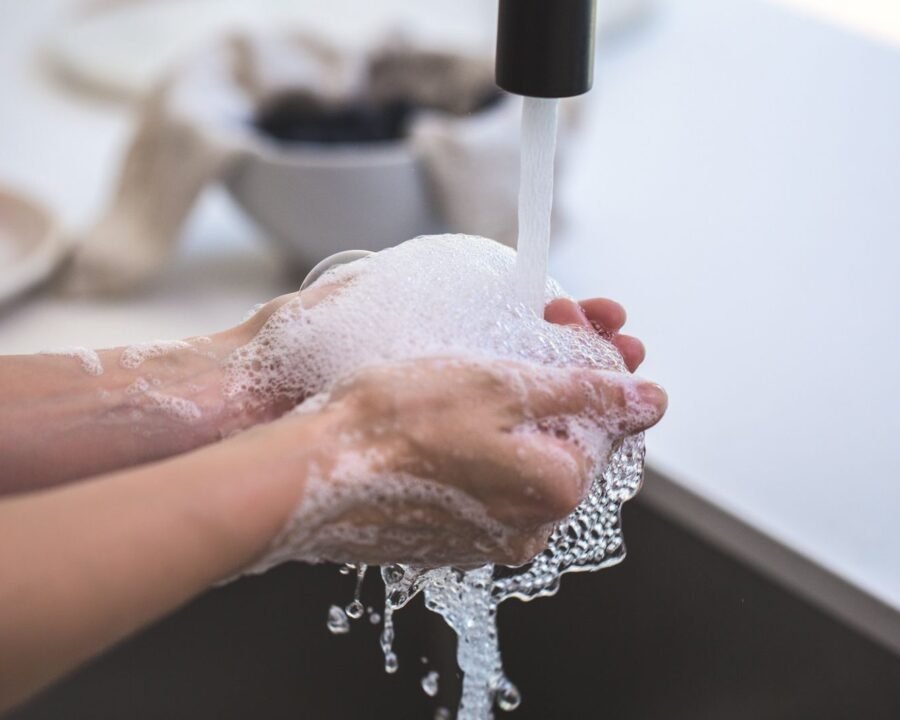
- Wash gently rather than scrubbing the area.
- Pat it dry with a clean disposable paper towel.
The American Academy of Dermatology recommends using clean clothing and towels, disinfecting shared equipment, and avoiding contact with unclean gym surfaces. See the AAD’s advice on protecting skin during workouts.
Our tattoo aftercare guide explains the complete cleaning and protection routine.
What Should You Do About Sweat?
Sweat itself does not automatically remove tattoo ink, but prolonged moisture, salt, heat, rubbing, and dirty clothing can irritate sensitive skin.
If you sweat lightly, gently pat the area with a clean towel. Do not repeatedly wipe or scrub it. Change out of damp clothing and wash the tattoo as instructed once the workout is finished.
If a workout leaves the tattoo soaked, reduce the intensity or wait longer before the next session.
Can You Shower After Exercising?
A short shower is usually different from soaking the tattoo. Use lukewarm water, avoid high-pressure spray directly on the area, and do not scrub with a washcloth or sponge.
Use clean hands and a mild product recommended by your artist. Pat the area dry rather than rubbing it.
Read our guide on how to shower after a tattoo for detailed instructions.
Frequently Asked Questions
Can I go to the gym two days after a tattoo?
Some people can resume carefully modified exercise after approximately 48 hours, but the activity and tattoo placement matter. Avoid direct pressure, heavy sweating, friction, and movements that stretch the area.
Can I lift weights after getting a tattoo?
Wait through the initial tender period and avoid training muscles beneath or near the tattoo. Return with lighter weights and stop if the skin pulls, rubs, or becomes uncomfortable.
Will sweating ruin a new tattoo?
A small amount of sweat does not automatically ruin a tattoo. Heavy sweating combined with friction, damp clothing, heat, or dirty equipment may irritate healing skin.
Can I cover my tattoo and work out?
A covering does not eliminate stretching, sweat, pressure, or contamination. Follow the instructions for the bandage applied by your artist and do not add an improvised airtight covering for exercise.
Can I run after getting a tattoo?
Wait until running will not cause repeated rubbing, pulling, or heavy moisture over the tattoo. Tattoos on the thighs, knees, ankles, feet, waist, and ribs may require more time or modified activity.
When can I return to my normal workout?
Resume normal training gradually when the skin is closed, peeling and scabbing have ended, movement is comfortable, and your artist agrees that healing is progressing normally.
Will lifting weights stretch out my new tattoo?
No — normal muscle pump from lifting won’t distort a tattoo. The ink sits in the dermis and moves with your skin. The real lifting risks are cracking scabs over flexing joints, friction from bars and benches, and heavy sweat during the first week. Once the tattoo is fully healed, train as hard as you want.
Can I go to the gym the same day I get a tattoo?
Skip it. Your body is already working to close the wound, and same-day training adds sweat, bacteria, and elevated blood flow that can increase oozing. Give it at least 48 hours, then start with something light.
I worked out after getting a tattoo — did I ruin it?
Almost certainly not. Wash it gently with unscented soap, pat dry, moisturize lightly, and monitor it for 48 hours. Spreading redness, heat, swelling, or cloudy discharge are the signs that something’s wrong; mild irritation that settles overnight is not — though expect some itching as it heals.
How long should I wait to do cardio after a tattoo?
Light walking is fine after 48 hours. Hold off on running, cycling, and HIIT for about 1–2 weeks — heavy sweating and repeated friction from clothing are the main risks, especially for leg, hip, and torso placements.
The Bottom Line
Most people benefit from avoiding strenuous exercise and heavy sweating for at least the first 48 hours after a tattoo. After that, return gradually according to the tattoo’s placement, size, healing progress, and the type of activity.
A clean, low-intensity workout that avoids the tattoo is different from swimming, contact sports, heavy lifting, or training that repeatedly stretches the area. When uncertain, take another rest day and ask your tattoo artist.
This article provides general educational information and does not replace personalized advice from a tattoo artist or qualified healthcare professional.