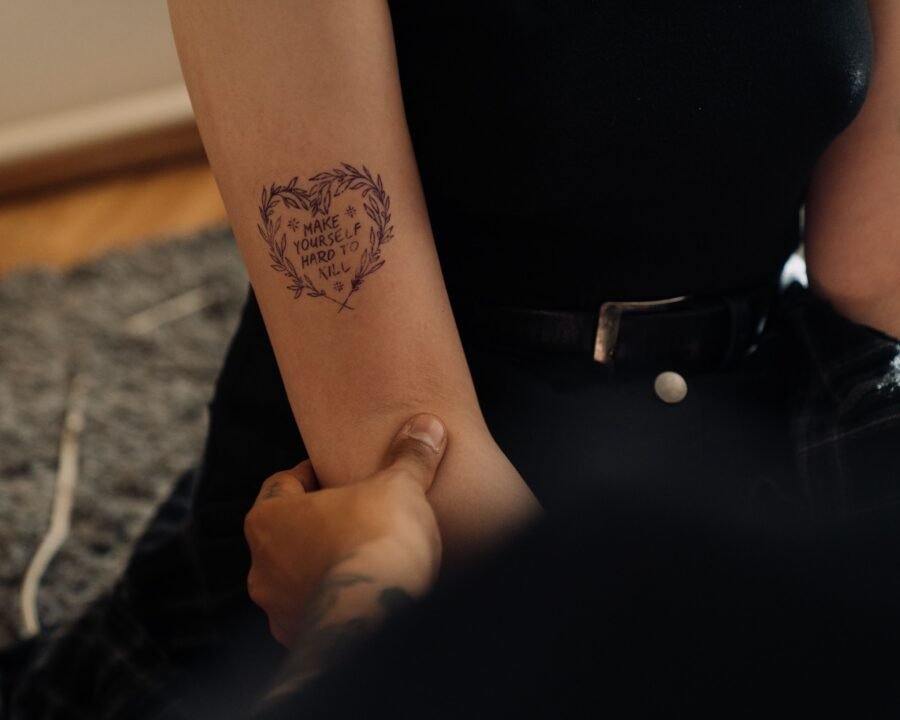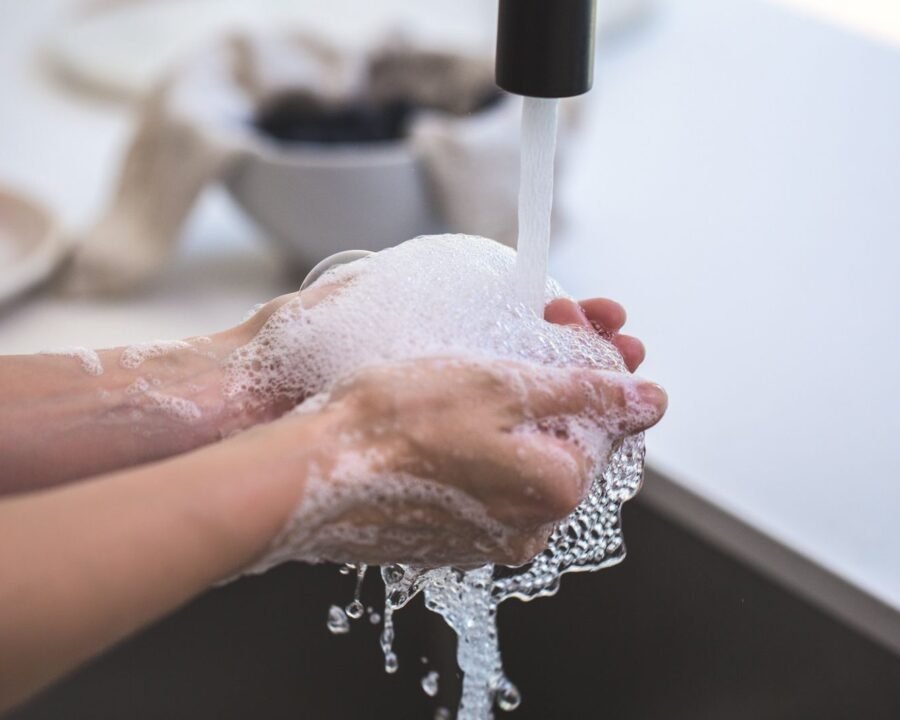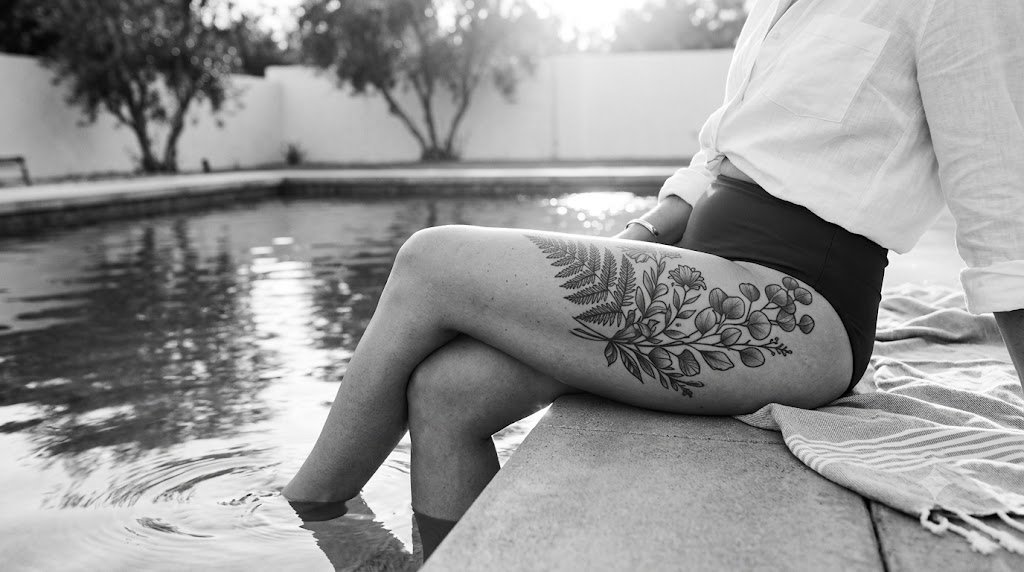
You should wait at least 2 to 4 weeks after getting a tattoo before swimming — and only once the tattoo is fully healed on the surface, with no scabs, peeling, or shiny raw skin. Larger or heavily shaded pieces can take longer. Until then, pools, oceans, lakes, and hot tubs all put your healing tattoo at risk of infection and ink loss.
Swimming too soon exposes broken skin to prolonged moisture, microorganisms, chlorine, salt, sunlight, and friction. These factors can irritate the tattoo and potentially interfere with healing. A quick shower is different from soaking in a pool, ocean, lake, bath, or hot tub
Waiting until your tattoo is completely healed is the safest approach before swimming. For many tattoos, this takes approximately two to four weeks, although larger, heavily shaded, or slower-healing tattoos may need longer. Follow your tattoo artist’s instructions and judge the condition of your skin rather than relying only on the number of days.
Swimming After a Tattoo: Quick Guide
| Water activity | When to return |
|---|---|
| Quick shower | Follow your artist’s covering and washing instructions |
| Swimming pool | Only after the tattoo is completely healed |
| Ocean or lake | Only after complete healing |
| Hot tub | Avoid until completely healed |
| Bath | Avoid soaking while the tattoo is healing |
The timeline is only a general guide. Your tattoo’s size, placement, saturation, covering, and your individual healing process can all affect when swimming becomes appropriate.
Why Swimming Too Soon Can Harm a New Tattoo
A new tattoo is a healing skin injury. Until the surface closes, it is more vulnerable to irritation and infection. Spending time underwater softens healing skin and keeps the area wet much longer than a normal wash.
Pools contain chlorine and other chemicals that may irritate sensitive skin. Natural water can contain microorganisms, sand, debris, and other contaminants. Hot tubs add warm water and prolonged soaking, creating conditions that are especially unsuitable for healing skin.
Swimming can also involve friction from clothing, pool edges, towels, sand, or sports equipment. Even when the water looks clean, these additional factors may disturb peeling skin or scabs.
The FDA’s tattoo safety guidance recommends contacting a healthcare professional if a tattoo is not healing properly or develops concerning symptoms.
How Long After a Tattoo Can You Swim Safely?
Many tattoos take at least two to four weeks to heal at the surface. However, there is no universal date that is safe for every person.
A small fine-line tattoo may appear settled sooner than a large color piece, sleeve, or heavily shaded tattoo. Tattoos on areas exposed to frequent movement or clothing friction may also heal differently.
Do not treat two weeks as automatic permission to swim. If the tattoo is still peeling, scabbing, tender, unusually red, shiny, cracked, or producing fluid, it is not ready for submersion.
Review our tattoo healing stages guide to understand how the appearance of a tattoo changes throughout recovery.
Can You Swim With a 2-Week-Old Tattoo?
Usually not yet. At two weeks, most tattoos look better than they feel — the surface may have stopped peeling, but the skin underneath is still repairing itself. If your tattoo is still shiny, tight, itchy, or slightly raised, it is not ready for submersion.
A quick self-check before you even consider it:
- No scabs or flakes left. Any remaining scab or peeling skin can soften in water and lift ink out.
- No shine. Glossy, plastic-looking skin means the new surface layer is still thin and fragile.
- Normal texture. Run a clean finger over it — it should feel like the skin around it.
Small, fine-line tattoos sometimes pass this check at two weeks. Larger, saturated, or color-packed pieces usually do not. If you’re on the fence, wait another week — a few extra days costs you nothing, but a soaked, half-healed tattoo can cost you a touch-up. You can track where you are in the process in our tattoo healing stages guide.
How Do You Know Your Tattoo Is Healed Enough?
Before swimming, the tattooed skin should appear closed and settled. Look for all of the following:
- No open or raw areas
- No active scabs
- No peeling or flaking
- No fluid or unusual discharge
- No increasing redness or swelling
- No unusual warmth or worsening pain
- Skin texture that feels close to the surrounding area
The deeper layers of skin can continue recovering after the surface looks normal. If you are uncertain, ask your tattoo artist to examine the tattoo before returning to swimming.
Are Swimming Pools Safe for a New Tattoo?
A maintained swimming pool may look clean, but it is still not suitable for an unhealed tattoo. Chlorine does not make submerging broken skin risk-free, and pool chemicals may sting or irritate sensitive skin.
Wait until the tattoo has completely healed. When you eventually return, begin with a shorter swim, rinse afterward, pat the tattoo dry, and apply sunscreen after the skin is fully healed.
Can You Swim in the Ocean or a Lake?
Oceans, lakes, and rivers contain microorganisms and other materials that cannot be controlled in the same way as treated water. Salt, sand, plants, mud, and friction may also irritate healing skin.
Do not assume salt water will help a tattoo heal. Swimming in the ocean is very different from gently cleaning a tattoo with products recommended by your artist.
Wait until the tattoo is completely healed before entering natural water. Once healed, rinse the area with clean water after swimming and protect it from prolonged sun exposure.
Can You Use a Hot Tub With a New Tattoo?
Hot tubs should be avoided while a tattoo is healing. They combine warm water, prolonged soaking, chemicals, and shared water. Heat may also make already-sensitive skin feel more uncomfortable.
Wait until there are no remaining signs of surface healing. If you have complications or heal slowly, ask your artist or healthcare professional before using a hot tub.
Will a Waterproof Bandage Make Swimming Safe?
No covering should be treated as permission to swim with a new tattoo. Adhesive tattoo films are designed to protect the tattoo during early healing, but swimming can loosen the edges, trap moisture, or allow water underneath.
Follow the exact instructions provided by your artist and the covering manufacturer. Do not add extra plastic wrap or adhesive tape to create a homemade waterproof seal.
If You Absolutely Have to Get In the Water
Sometimes it’s unavoidable — a swim lesson you teach, a lifeguard shift. If you truly cannot wait, keep the exposure as short and controlled as possible: apply a fresh adhesive film (Saniderm or similar) to clean, dry skin an hour before, keep the tattoo out of direct jets or waves, get out quickly, remove the film, and wash the tattoo right away with mild soap. Understand the trade-off: these films are designed to survive showers, not soaking — see how long to leave second skin on — and the manufacturers themselves don’t call them swim-proof. Watch the tattoo closely afterward for redness, heat, or oozing, and if you’re outdoors, remember sun protection rules for new tattoos too.
Can You Shower After Getting a Tattoo?
A short shower is not the same as swimming or soaking. Depending on the covering used, your artist may allow careful showering relatively soon after the appointment.
Use lukewarm water, keep the shower brief, and avoid directing strong water pressure at the tattoo. Do not scrub it with a washcloth, sponge, or body scrub. Follow our complete guide to showering after a tattoo for more detailed instructions.
After cleaning, pat the area dry using the method recommended by your artist. If appropriate, apply only a thin layer of moisturizer. Our guide explains how often to moisturize a new tattoo.
What If You Already Went Swimming?
Do not panic. Leave the water, gently rinse the tattoo with clean lukewarm water, and follow your normal aftercare routine. Do not aggressively scrub, disinfect, or apply a thick layer of ointment.
Monitor the tattoo over the following days. Contact a healthcare professional if you notice spreading redness, worsening pain, unusual warmth, significant swelling, pus, fever, red streaks, or symptoms that become more intense instead of improving.
The Cleveland Clinic tattoo aftercare guide provides additional information about normal healing and warning signs.
Seven Safety Rules for Swimming After a Tattoo
- Wait until the tattoo is completely healed, not merely until a certain date.
- Follow the instructions provided by your tattoo artist.
- Do not rely on waterproof bandages to make swimming safe.
- Avoid pools, oceans, lakes, rivers, baths, and hot tubs during healing.
- Do not pick peeling skin or remove scabs to make the tattoo appear healed.
- After healing, rinse the tattoo following swimming and pat it dry.
- Protect fully healed tattooed skin from sunlight with appropriate sunscreen.
Frequently Asked Questions
Can I swim seven days after getting a tattoo?
Seven days is generally too early for most tattoos because the skin may still be peeling, scabbing, or vulnerable. Wait until every sign of surface healing has finished and follow your artist’s advice.
Can I swim while wearing Second Skin?
Adhesive tattoo films should not be used as permission to swim. Water may loosen the film or become trapped underneath it. Follow your artist’s instructions regarding showering and when to remove the covering.
What happens if a new tattoo gets submerged?
Submersion can soften healing skin and expose it to chemicals, microorganisms, and irritation. Rinse the tattoo gently afterward, resume proper aftercare, and monitor it for concerning changes.
Is chlorine harmful to a healing tattoo?
Chlorinated water may irritate sensitive healing skin, and chlorine does not eliminate every risk associated with submerging a new tattoo. Wait until healing is complete.
How can I tell when my tattoo is completely healed?
The surface should have no open areas, scabs, peeling, discharge, increasing redness, or worsening tenderness. When uncertain, ask your tattoo artist or a qualified healthcare professional.
Is 2 weeks long enough to wait before swimming with a tattoo?
For most tattoos, no. Two weeks is the earliest end of the healing window, and only small tattoos that have completely finished peeling — no scabs, no shine, no tightness — might be ready. When in doubt, give it until week 3 or 4.
Can I use Saniderm to protect my tattoo while swimming?
Saniderm and similar films are water-resistant, not waterproof under soaking conditions. They hold up in the shower, but swimming can loosen the edges and trap contaminated water against healing skin. They reduce risk in an emergency; they don’t make swimming safe.
What happens if you swim too soon after a tattoo?
Two risks: infection (pools, lakes, and oceans all carry bacteria that can enter broken skin) and ink loss (soaking softens scabs and healing skin, which can pull pigment out and leave patchy spots). If you already swam, wash the tattoo immediately with mild soap, pat dry, and watch for signs of infection. The same wait-and-ease-back logic applies to working out after a tattoo.
The Bottom Line
Wait until your tattoo is completely healed before swimming. Although many tattoos require approximately two to four weeks, the correct timing depends on the tattoo and your healing progress.
Pools, oceans, lakes, baths, and hot tubs all involve prolonged submersion and should be avoided while the skin remains open, peeling, scabbed, or irritated. Continue following the complete TattooPiece aftercare guide and ask your artist when you are unsure.
This article provides general educational information and does not replace advice from your tattoo artist or a qualified healthcare professional.
This is one part of the full second skin process — see our complete second skin tattoo aftercare timeline for the whole picture, from application to removal.