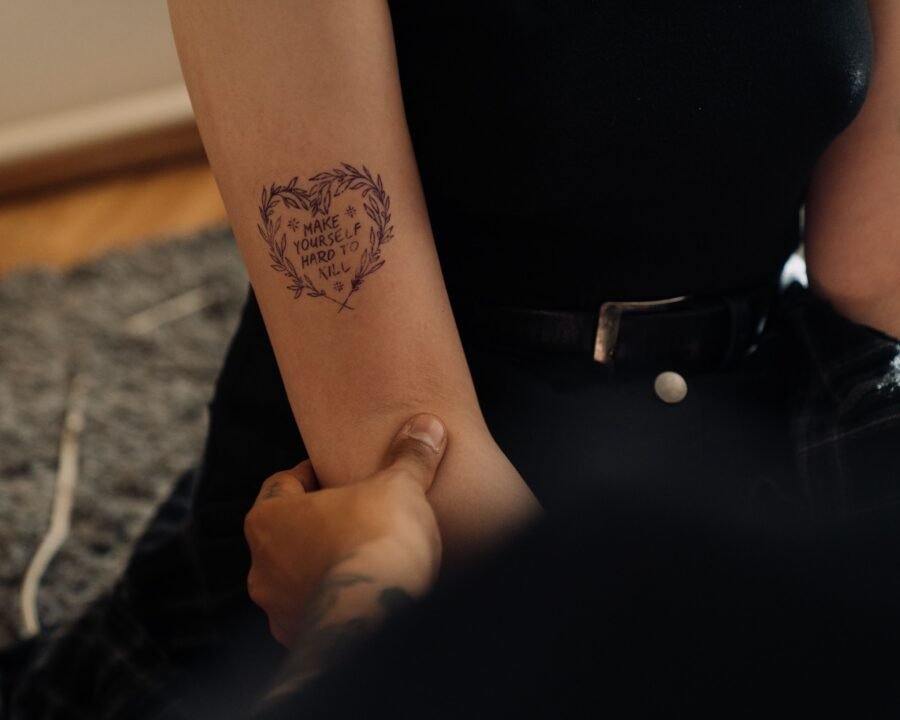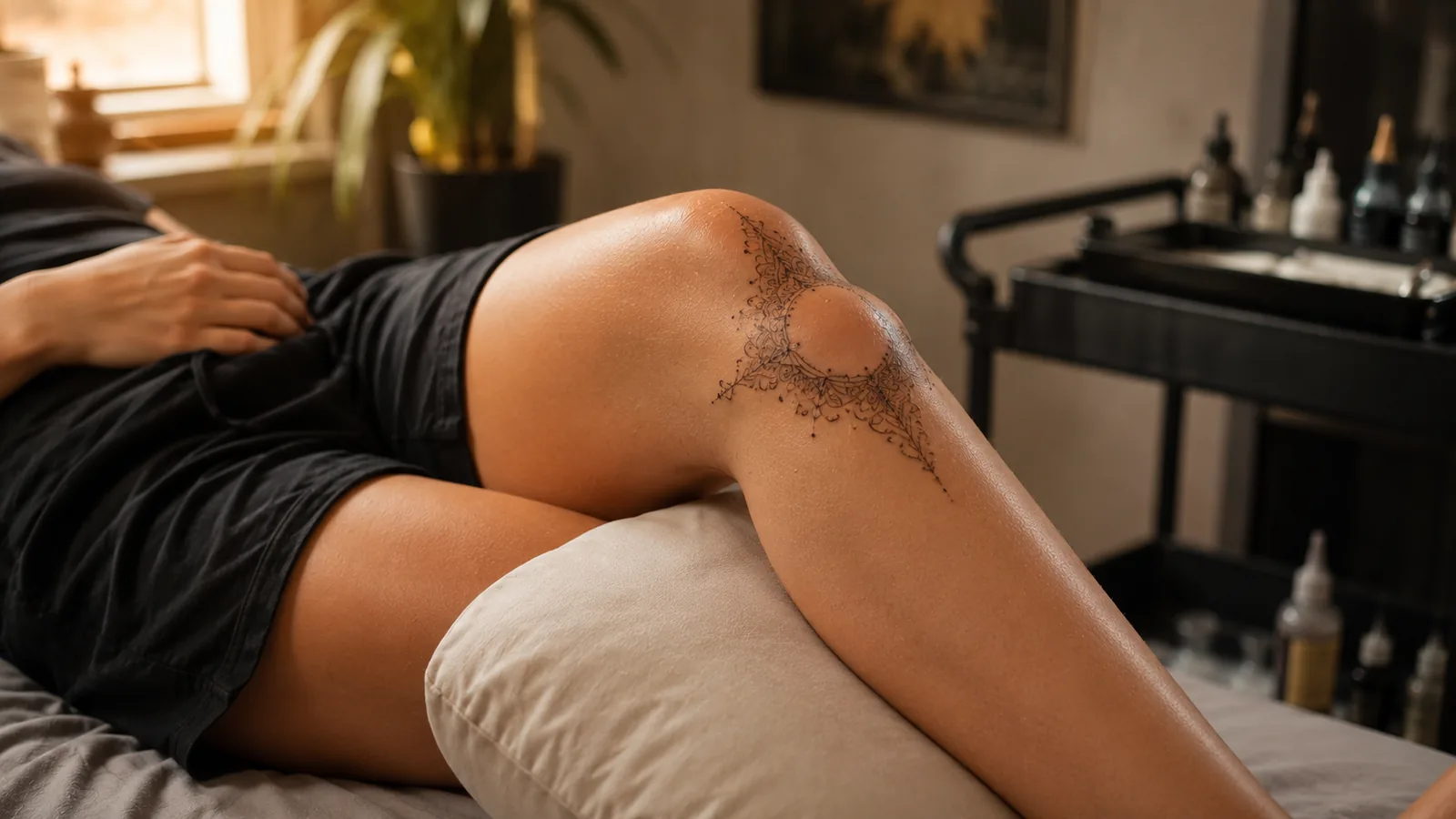
A knee tattoo usually looks substantially calmer within two to four weeks, but complete healing beneath the surface can take considerably longer. Tattoos covering the kneecap, knee ditch, or a large area around the joint may feel uncomfortable for longer because the skin repeatedly stretches when you walk, sit, climb stairs, or bend your leg.
Your exact knee tattoo healing time depends on the tattoo’s size, saturation, placement, your skin, your daily activity, and how closely you follow your artist’s instructions. During recovery, concentrate on the overall trend: swelling, tenderness, redness, and itching should gradually improve rather than become more intense.
Knee Tattoo Healing Timeline
| Healing period | What you may notice | What to do |
|---|---|---|
| First 24–72 hours | Tenderness, warmth, mild redness, swelling, and some clear fluid mixed with ink | Follow your artist’s covering instructions, rest the leg, and avoid unnecessary bending |
| Days 4–7 | Tightness, dryness, itching, light scabbing, and discomfort when bending | Wash gently, moisturize lightly, and wear loose clothing |
| Week 2 | Peeling, flaking, reduced swelling, and continued sensitivity | Do not scratch or pull loose skin; continue gentle aftercare |
| Weeks 3–4 | A calmer surface with less itching, although the tattoo may look temporarily dull | Protect it from friction, immersion, and direct sunlight |
| After one month | The surface may appear healed, but deeper skin recovery continues | Resume activities gradually and ask your artist about any patchy areas |
This timeline is a general guide, not a deadline. A large, heavily shaded knee tattoo may take longer to settle than a small design beside the kneecap. Cleveland Clinic explains that tattoo size and location affect recovery and that deeper layers of skin can continue healing for several months. Read our complete tattoo healing stages guide for a broader explanation.
Why Can a Knee Tattoo Take Longer to Heal?
The knee is a constantly moving joint. Every step stretches or compresses skin around the kneecap and knee ditch. That movement does not automatically damage a tattoo, but excessive bending can increase tightness, rubbing, and discomfort while the surface is still sensitive.
Clothing is another challenge. Denim, tight leggings, work trousers, and rough fabrics may repeatedly rub against the tattoo. Sweat can also collect behind the knee, especially during warm weather or exercise.
Several factors can influence your recovery:
- The size and complexity of the tattoo.
- Whether it covers the kneecap, knee ditch, or both.
- The amount of shading and color saturation.
- How much walking, kneeling, or climbing you do.
- Friction from clothing or protective equipment.
- Your skin and general healing response.
- Whether the tattoo experiences irritation or a skin reaction.
Kneecap vs. Knee Ditch Healing
A tattoo directly over the kneecap is exposed to stretching, impact, and clothing friction. It may feel tight whenever you bend your leg, especially during the first several days.
The knee ditch—the crease behind your knee—has different challenges. Sweat, skin-to-skin contact, and repeated folding can make this area feel moist or irritated. Avoid applying a thick layer of moisturizer there because excessive moisture can make the skin uncomfortable.
A design around the sides of the knee may be easier to protect, but walking and clothing can still affect it. Regardless of placement, your artist’s instructions should take priority because they know how the tattoo was completed and which covering was used.
Should You Limit Walking?
You do not necessarily need to remain completely still, but reducing unnecessary walking during the earliest stage can make recovery more comfortable. If possible, avoid planning a long shopping trip, hike, shift involving constant movement, or intense leg workout immediately after the appointment.
Walk carefully when necessary and stop if movement causes significant pulling, rubbing, or worsening discomfort. Do not force your knee to remain completely straight or bent for an extended period if that position becomes painful.
Contact your tattoo artist if swelling or stiffness is making normal movement unusually difficult. Severe swelling, intense pain, or an inability to move the leg normally requires medical attention rather than online troubleshooting.
When Can You Exercise After a Knee Tattoo?
Avoid intense lower-body workouts while the tattoo is fresh, especially activities involving repeated knee bending, heavy sweating, shared equipment, or direct pressure on the joint. Squats, lunges, running, cycling, wrestling, and kneeling exercises can all create friction or stretch the healing surface.
There is no universal day that is safe for everyone. Resume activity based on how the tattoo looks and feels, your artist’s instructions, and the type of exercise involved. Begin with a lighter session and stop if the tattoo becomes painful, irritated, or excessively sweaty.
Our guide to working out after a tattoo explains how tattoo placement and exercise type affect the decision.
What Should You Wear?
Loose shorts are usually the easiest option because they keep fabric away from the tattoo. If you must wear long trousers, choose a clean, loose, breathable pair that does not grip the knee.
Avoid tight jeans during the early healing period. Denim can rub against the tattoo every time you walk or bend your leg. Read Can I Wear Jeans Over a New Tattoo? for more clothing guidance.
Change your clothes if they become soaked with sweat. Never reuse dirty clothing that has been rubbing directly against the healing area.
How to Clean a Healing Knee Tattoo
Follow the instructions given by your tattoo artist. General cleaning steps include:
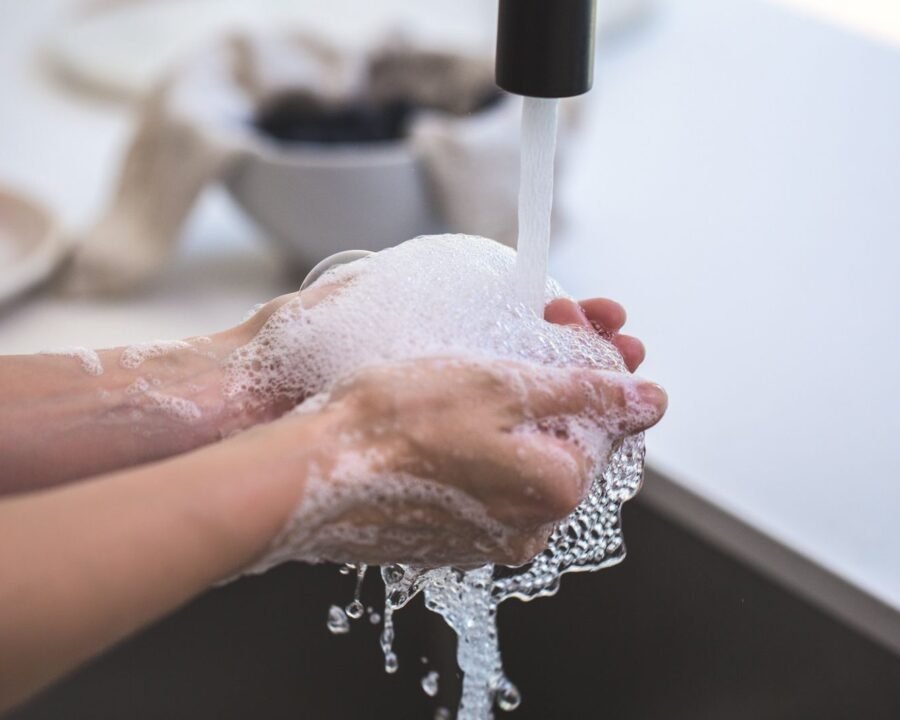
- Wash your hands before touching the tattoo.
- Use lukewarm water and a mild, fragrance-free cleanser.
- Clean the area gently without scrubbing.
- Rinse away soap carefully.
- Pat the skin dry using a clean disposable paper towel.
- Allow it to finish air-drying before applying moisturizer.
- Apply only a thin layer of the product recommended by your artist.
Do not use a washcloth, body scrub, exfoliating brush, or strongly scented product. You can shower, but avoid soaking the knee in a bath, pool, hot tub, lake, or ocean while it is healing. See our guide explaining how to shower after a tattoo.
Using Second Skin on a Knee Tattoo
Adhesive tattoo coverings can be difficult to keep sealed over a moving joint. Bending the knee may create wrinkles or loosen the edges. A small amount of fluid under an intact covering can be expected, but follow the product instructions and your artist’s directions.
Do not repeatedly press a dirty or detached edge back onto the skin. If the covering has exposed the tattoo, is leaking, or has collected outside contamination, ask your artist whether it should be removed.
Read What to Do if Second Skin Comes Off Early before making changes to the covering.
How to Sleep With a Knee Tattoo
Choose a sleeping position that avoids direct pressure and fabric rubbing. Depending on the exact placement, sleeping on your back with the leg supported may be more comfortable.
Use clean bedding and fresh sleepwear. Position a clean pillow so it supports the leg without pressing directly against the tattoo. Do not tightly wrap the knee in household plastic to protect your sheets.
If the tattoo sticks to fabric, do not pull it away forcefully. Moisten the affected fabric with lukewarm water and separate it carefully. Our guide to sleeping with a new tattoo contains additional practical advice.
Is Itching Normal?
Mild itching and flaking can occur as a knee tattoo heals. Resist the urge to scratch, even when bending the joint makes the sensation stronger. Scratching can injure healing skin and introduce bacteria from your fingernails.
Gently patting the surrounding area or using a clean, cool compress for a short time may provide relief. Do not place ice directly against the tattoo or soak the skin. Use only a light amount of fragrance-free moisturizer if recommended.
Read Why Is My Tattoo Itchy? if you need help distinguishing ordinary healing itch from concerning symptoms.
Signs Your Knee Tattoo Is Healing Normally
Common early changes can include:
- Mild redness close to the tattoo.
- Tenderness or a sunburn-like sensation.
- Moderate swelling that begins improving.
- Small amounts of clear fluid mixed with ink.
- Tightness when bending the knee.
- Itching, flaking, and light scabbing.
- A temporarily cloudy or dull appearance.
The American Academy of Dermatology explains that some redness, swelling, soreness, clear fluid, itching, flaking, and scabbing can occur during normal healing. The important question is whether these symptoms are gradually improving.
When to Seek Medical Help
Contact a healthcare professional if you experience:
- Redness that becomes darker or continues spreading.
- Pain that worsens instead of improving.
- Increasing heat or substantial swelling.
- Yellow or green discharge.
- Pus, an unpleasant odor, or open sores.
- Red streaks traveling away from the tattoo.
- Fever, chills, or feeling seriously unwell.
- Painful bumps, blisters, or a spreading rash.
- Difficulty breathing, dizziness, or widespread hives.
The American Academy of Dermatology recommends prompt medical care when symptoms suggest infection. The FDA’s tattoo-safety guidance also advises contacting your tattoo artist and healthcare professional if the area is not healing or develops a rash, especially when accompanied by fever.
Frequently Asked Questions
How long does a knee tattoo stay swollen?
Some swelling can occur during the first few days, especially after a large or heavily worked tattoo. It should generally begin improving rather than continuing to expand. Seek professional advice if swelling is severe, worsening, or accompanied by spreading redness, increasing pain, discharge, or fever.
Is a knee tattoo harder to heal?
It can be more inconvenient because walking bends the tattooed skin and clothing frequently rubs the area. However, careful aftercare, loose clothing, clean surroundings, and temporarily reducing strenuous activity can help protect it.
When can I bend my knee normally?
Gentle movement is usually unavoidable, but do not repeatedly force the joint through painful movement during the earliest stage. Increase activity gradually as tightness and tenderness improve.
Can I kneel on a healing knee tattoo?
Avoid kneeling directly on the tattoo while the skin is tender, peeling, scabbed, or otherwise unhealed. Pressure and contact with floors or gym surfaces can irritate the area and expose it to contamination.
When can I wear jeans after a knee tattoo?
Wait until denim no longer rubs, sticks to, or irritates the tattoo. The appropriate timing depends on the fit of the jeans and how quickly your tattoo settles. Loose, breathable clothing is preferable during early healing.
When should a knee tattoo be touched up?
Do not judge patchiness while the tattoo is peeling or looks cloudy. Allow it to heal completely, then ask the original artist to examine it. The artist can determine whether a touch-up is necessary and when the skin is ready.
TattooPiece provides general educational information and does not diagnose or treat medical conditions. Contact a qualified healthcare professional if you are concerned about infection, an allergic reaction, or unusual healing.