An over moisturized tattoo looks wet or shiny hours after you applied lotion, feels sticky to the touch, and may develop softened scabs or small bumps. The fix is simple: stop applying product for a day, let the skin dry out, then restart with a much thinner layer two or three times daily. The signs of over moisturizing a tattoo are easy to confuse with normal healing, so this page separates the two rather than treating every damp-looking tattoo as a problem.
These signs are not specific enough to diagnose on their own. A rash, increasing pain, spreading redness, heat, pus, or fever may indicate an infection or another reaction that requires medical attention.
A healing tattoo needs balanced care. Too little moisture can leave the skin excessively dry and cracked, while repeatedly covering it with a heavy layer of ointment or lotion may keep the surface unnecessarily wet. Follow your tattoo artist’s instructions because the correct routine depends on the covering, tattoo size, placement, product, and healing stage.
What Does Over-Moisturizing a Tattoo Mean?
Over-moisturizing generally means applying more product than the skin can comfortably absorb or applying it too frequently. Instead of leaving the tattoo comfortable and lightly moisturized, the product remains as a thick, greasy, or sticky coating.
The goal is not to make the tattoo permanently shiny. Moisturizer should support the skin barrier without leaving the area saturated, smothered beneath product, or continually damp.
The Cleveland Clinic’s tattoo-aftercare guidance recommends using a simple moisturizer or artist-recommended ointment while warning that petroleum jelly may block pores and contribute to inflammation. Product recommendations can differ, so prioritize instructions given for your particular tattoo.
Seven signs of over moisturizing a tattoo
These are the seven signs of over moisturizing a tattoo that artists see most often. Read them together rather than one at a time: a single sign in isolation usually means very little, while two or three at once — especially a surface that stays wet, sticky residue, and softened scabs — is the pattern that points to too much product.
| Sign | What it usually means | What to do |
|---|---|---|
| 1. Stays wet or extremely shiny | More product was applied than the skin could absorb. A light sheen right after application is normal; a coating that still looks wet hours later is not | Skip the next application entirely and let the surface dry. Restart with a layer thin enough that it disappears into the skin |
| 2. Sticky product buildup | Heavy ointment has combined with dead skin, lint, sweat or normal tattoo fluid. Applying more on top makes it worse | Wash gently with lukewarm water and mild soap, pat dry, then wait. Do not scrape or aggressively wipe residue off |
| 3. Skin looks soft, soggy or wrinkled | Moisture trapped against the skin for too long — the “fingers left in water” look. Product is one cause, but sweat, soaking and an occlusive covering can all do it | Stop applying, keep the area clean and dry, and let it firm up. If it persists, ask your artist |
| 4. Irritation right after applying one product | More likely a reaction to that specific product than to the amount of it, particularly with fragranced or heavily preserved formulas | Stop using that product. Do not simply switch to less of it — see our guide to aftercare products for what to look for |
| 5. Small bumps or clogged-looking pores | A heavy occlusive layer can contribute, especially where skin sweats or sits under tight clothing. Bumps also have other causes — shaving irritation, ink reaction, contact dermatitis | Lighten the layer and loosen clothing over the area. If bumps spread or worsen, treat it as a reason to get it looked at, not a reason to use more lotion |
| 6. Scabs go soft or lift early | A surface kept continually wet softens scabs and can lift them before the skin underneath is ready | Stop applying product over scabbed areas and let them separate on their own. Never pull loose scabs or peeling skin |
| 7. Symptoms getting worse, not better | This is not over-moisturizing. A healing tattoo should trend toward less pain, redness, swelling and drainage | Increasing pain, spreading redness, unusual heat, pus, open sores, red streaks, fever or chills need medical attention — see the section below |
What to stop doing immediately
Before adding anything to your routine, remove these. Over-moisturizing is corrected by subtraction, and in most cases the skin resolves it on its own once the excess stops.
- Stop applying product for the rest of the day. Skipping applications is the actual fix. There is no product that corrects too much product.
- Stop reapplying over residue. Adding a fresh layer onto a sticky one compounds it. Wash gently and let the skin dry first.
- Stop using any product that stung or burned. That is a reaction to the formula, not a dosing problem, so using less of it is not the answer.
- Stop covering it. Tight clothing, plastic wrap or re-applied adhesive film all trap the moisture you are trying to release.
- Stop picking at softened scabs. Over-moisturized scabs lift early and tempt you to help them along — that is how patchy healing and ink loss happen.
What you should not stop is basic hygiene: keep washing the tattoo as normal, following the routine in our tattoo aftercare guide. Letting a tattoo “air out” does not mean leaving it dirty.
What to Do if You Applied Too Much Moisturizer
Do not panic or attempt to strip the tattoo with alcohol, peroxide, exfoliants, or harsh soap.
Use this gentle reset:
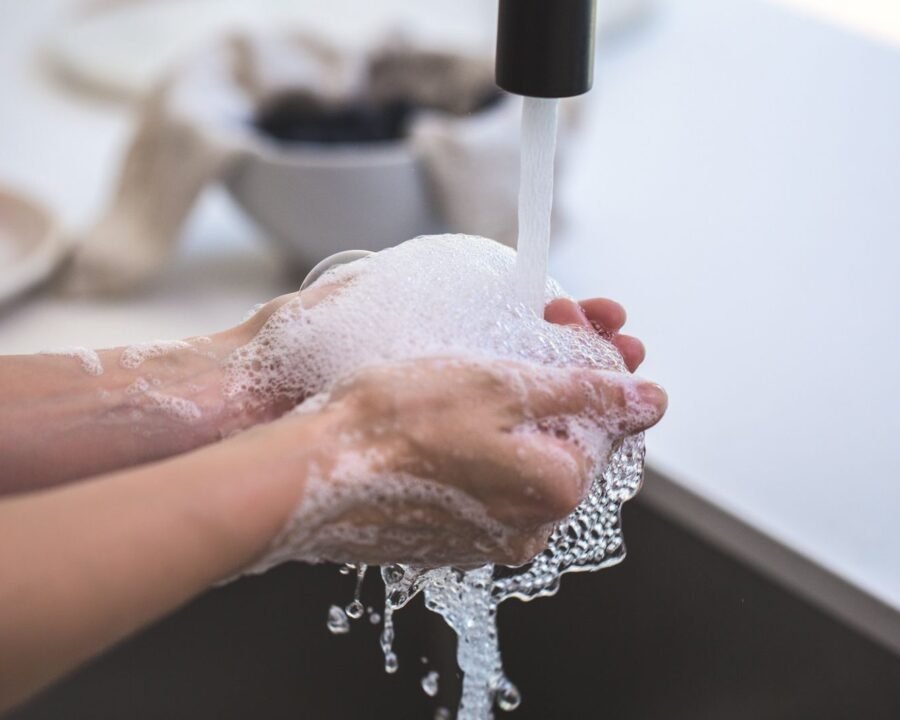
- Wash your hands before touching the tattoo.
- Rinse the tattoo with clean, lukewarm water.
- Use a mild, fragrance-free cleanser if your aftercare instructions permit it.
- Do not scrub the tattoo with a cloth, brush, or sponge.
- Rinse away the remaining product completely.
- Pat the area dry using a clean paper towel.
- Allow it to finish air-drying briefly.
- Do not immediately replace the same heavy coating.
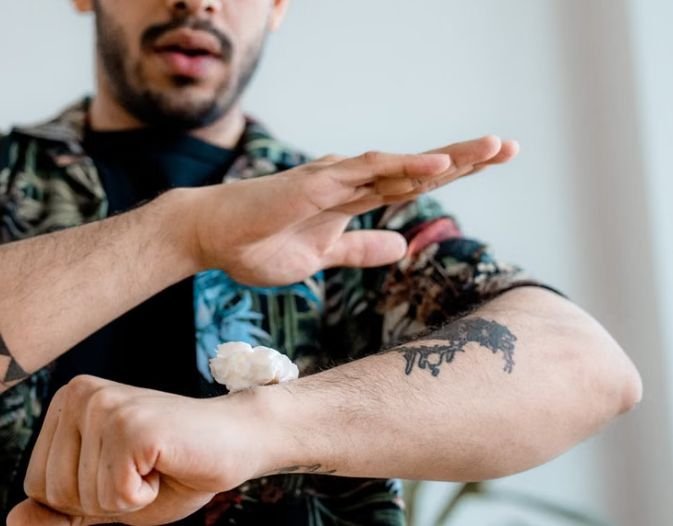
- When the skin needs moisture, apply a much thinner layer.
- Contact your artist if wetness, irritation, or softened skin persists.
The solution is balance, not deliberately drying the tattoo until it cracks. Excessive washing and complete neglect can also irritate healing skin.
How Long Does an Over-Moisturized Tattoo Take to Recover?
In most cases, not long. If you caught it early and the skin is just shiny, sticky, or slightly soggy, your tattoo usually looks and feels normal again within one to three days of cutting back on product. The skin only needs a chance to breathe and release the trapped moisture.
Here’s a realistic recovery picture:
- First 24 hours: After gently washing off the excess and letting the tattoo air-dry, the wet, glossy look starts to fade. Skip your next one or two moisturizing sessions.
- Days 1–3: The skin firms back up. Soggy, whitish patches return to normal color as the moisture balance corrects itself.
- Days 3–7: Healing gets back on schedule with the normal tattoo healing stages. Some extra peeling can happen where scabs softened early — let it flake off on its own.
One or two heavy applications almost never cause lasting damage to the ink. The tattoos that run into real trouble are the ones kept constantly saturated for a week or more, because soft, waterlogged skin lets scabs lift before they’re ready and gives bacteria an easier way in.
While the skin recovers, wash once or twice a day with a mild, fragrance-free cleanser — washing your tattoo in the shower is fine — pat dry, and wait until the tattoo feels genuinely dry and slightly tight before applying a very thin layer of lotion again. If the area gets more red, warm, or painful instead of better over two to three days, have it looked at — that pattern points to irritation or infection, not trapped moisture.
Normal Moisture vs. Too Much Product vs. Warning Signs
| What you notice | Possible explanation | Recommended response |
|---|---|---|
| A light temporary sheen | Recent thin moisturizer application | Allow it to absorb |
| Comfortable skin without heavy residue | Balanced moisturizing | Continue the artist’s routine |
| Thick coating that remains wet or sticky | Possibly too much product | Gently remove excess and use less next time |
| Soft, wrinkled, waterlogged skin | Trapped moisture from product, sweat, water, or covering | Keep it clean and ask the artist if it persists |
| Itching and light flaking that gradually improve | Common healing changes | Do not scratch or peel |
| New irritation after one particular product | Possible product reaction | Stop the product and seek advice |
| Spreading redness, increasing pain, pus, or fever | Possible infection or another complication | Contact a healthcare professional promptly |
This table cannot diagnose a tattoo problem. Different conditions can look similar, especially during early healing.
How much and how often — the short version
A correct application is thin enough to vanish into the skin within a minute or two, leaving it comfortable rather than coated. Most people land on two to three times a day, adjusted to how the skin actually feels rather than to a fixed schedule. If the tattoo still looks wet when you next go to apply, you applied too much last time.
That is the whole answer as it relates to over-moisturizing. For the full routine — timing, how it changes across the healing stages, and what to do when the schedule slips — see our dedicated guide to how often to moisturize a new tattoo. High-movement placements are the common exception, needing lighter and more frequent application; our hand tattoo healing time guide covers the hardest case.
Ointment vs. Lotion
Ointments are generally heavier and more occlusive than lotions. Some artists recommend a particular ointment during the earliest healing stage, followed by a lighter fragrance-free lotion when the tattoo begins drying or peeling. Other artists use a light moisturizer from the beginning.
Do not switch solely because a fixed number of days has passed. Consider the artist’s instructions, the product being used, and how the skin is healing.
When we publish our separate guide about when to switch from ointment to lotion, link to it from this section.
Products to Avoid on a Healing Tattoo
Unless specifically recommended by a qualified professional, avoid:
- Heavily fragranced lotion
- Exfoliating acids or scrubs
- Retinoids
- Alcohol or hydrogen peroxide
- Acne treatments
- Essential oils
- Tanning products
- Tattoo-removal creams
- Products that repeatedly cause burning, bumps, or redness
- Thick layers of petroleum jelly
The FDA advises contacting a healthcare professional when a tattoo is not healing or develops a rash, bumps, or fever.
Can Over-Moisturizing Ruin a Tattoo Once It Has Healed?
In most cases, no. Over-moisturizing acts on the surface of the skin, and pigment sits deeper, in the dermis. Once the tattoo has fully healed, a period of too much lotion during week one rarely shows in the finished piece.
The exception is indirect. If heavy product softened a scab enough that it lifted early, or if clogged skin led to a breakout that was then picked at, the result can be a patchy or faded spot. The damage in that case came from the scab or the picking, not from the moisturizer itself.
Light patches spotted at the end of healing are also worth judging late rather than early. Skin over a settling tattoo can look dull or milky for several weeks after the surface has closed, and that haze usually clears on its own. Compare what you are seeing against the normal tattoo healing stages before assuming anything has been lost. If a genuine gap is still there once the piece has fully settled, a touch-up is the fix, and most artists expect to be asked.
When It May Not Be Over-Moisturizing
A wet, bumpy, red, or uncomfortable tattoo is not always caused by lotion. Other possibilities include:
- Normal early tattoo fluid
- Sweat trapped under clothing
- An adhesive-bandage leak
- Friction or shaving irritation
- Contact dermatitis
- An allergic reaction
- Follicle irritation
- Contaminated ink
- A skin infection
Do not try to distinguish these conditions from photographs alone. Ask the tattoo artist about ordinary healing concerns and contact a healthcare professional for worsening symptoms or possible reactions.
When to Seek Medical Care
Contact a healthcare professional promptly if you experience:
- Redness that becomes darker or spreads
- Pain that increases rather than decreases
- Skin that becomes increasingly hot or swollen
- Pus, significant drainage, or an unpleasant odor
- Red streaks extending away from the tattoo
- Open sores or painful bumps
- Fever, chills, shaking, or sweating
- A widespread or persistent rash
- Difficulty breathing or facial swelling
Difficulty breathing or facial swelling can be an emergency. Seek emergency care immediately.
Frequently Asked Questions
Can over-moisturizing ruin a tattoo?
A single heavy application is unlikely to determine the final result. Repeatedly keeping the area excessively wet may irritate the skin or interfere with comfortable healing. Gently correct the routine and ask the artist for guidance rather than scrubbing or picking the tattoo.
What does an over-moisturized tattoo look like?
It may remain extremely shiny, sticky, soggy, or coated with visible product. Scabs may appear unusually soft. These observations are not diagnostic because sweat, bandage fluid, irritation, and infection can create similar changes.
Should I let an over-moisturized tattoo dry out?
Remove excess product gently and allow the clean surface to dry normally. Do not intentionally dehydrate the tattoo, use harsh products, or leave it dirty. Resume a thin application only when appropriate.
Can too much lotion cause tattoo bubbling?
“Tattoo bubbling” is an informal term people use for scabs that appear swollen, soft, or raised after prolonged moisture exposure. Do not pop or remove the affected skin. Ask your artist for guidance and seek medical attention if pain, heat, redness, or drainage increases.
Can I use Vaseline on a new tattoo?
Petroleum jelly creates a highly occlusive coating. Cleveland Clinic advises avoiding it during healing because it may block pores and contribute to inflammation. Read our guide to using Vaseline on a new tattoo and follow your artist’s product instructions.
Should a tattoo look shiny after lotion?
A brief light sheen can occur immediately after applying a thin layer. A thick coating that remains wet, greasy, or sticky suggests that less product may be appropriate next time.
What should I do if lotion makes my tattoo burn?
Gently wash the product away and stop using it. Contact your artist or a healthcare professional, particularly if burning continues or a rash, swelling, blisters, or spreading redness develops.
Is peeling a sign that the tattoo needs more lotion?
Peeling is a common stage of healing and does not automatically mean the skin requires repeated applications. Use a thin amount according to the artist’s instructions and allow flakes to fall naturally.
This article provides general educational information and does not diagnose infection, allergy, or another skin condition. Contact a qualified healthcare professional if symptoms are worsening or you are concerned about your tattoo.
Before publishing: Claude’s research recommends review by a tattoo artist and dermatologist. Do not claim “medically reviewed” unless a qualified reviewer has actually reviewed and approved the article.
How do I fix an over moisturized tattoo?
Gently wash the tattoo with lukewarm water and a fragrance-free cleanser, pat it dry, and let it air out. Skip the next lotion application or two, then go back to thin layers only when the skin feels dry. Most tattoos rebalance within a day or two.
Can you over moisturize a tattoo with any lotion, or just ointments?
Both. Thick ointments trap moisture fastest, but even a light lotion causes problems if you apply it in heavy layers or too many times a day. The issue is total moisture on the skin, not the specific product.
Will my over moisturized tattoo scab weirdly now?
Possibly a little. Skin that stayed too wet can shed in larger, softer flakes than normal peeling, and it can make the tattoo itch more during healing. As long as you let those flakes release on their own and keep the area clean, the design underneath is usually unaffected.
Last reviewed 20 August 2026 by the TattooPiece Editorial Team. General information about tattoo aftercare, not medical advice.