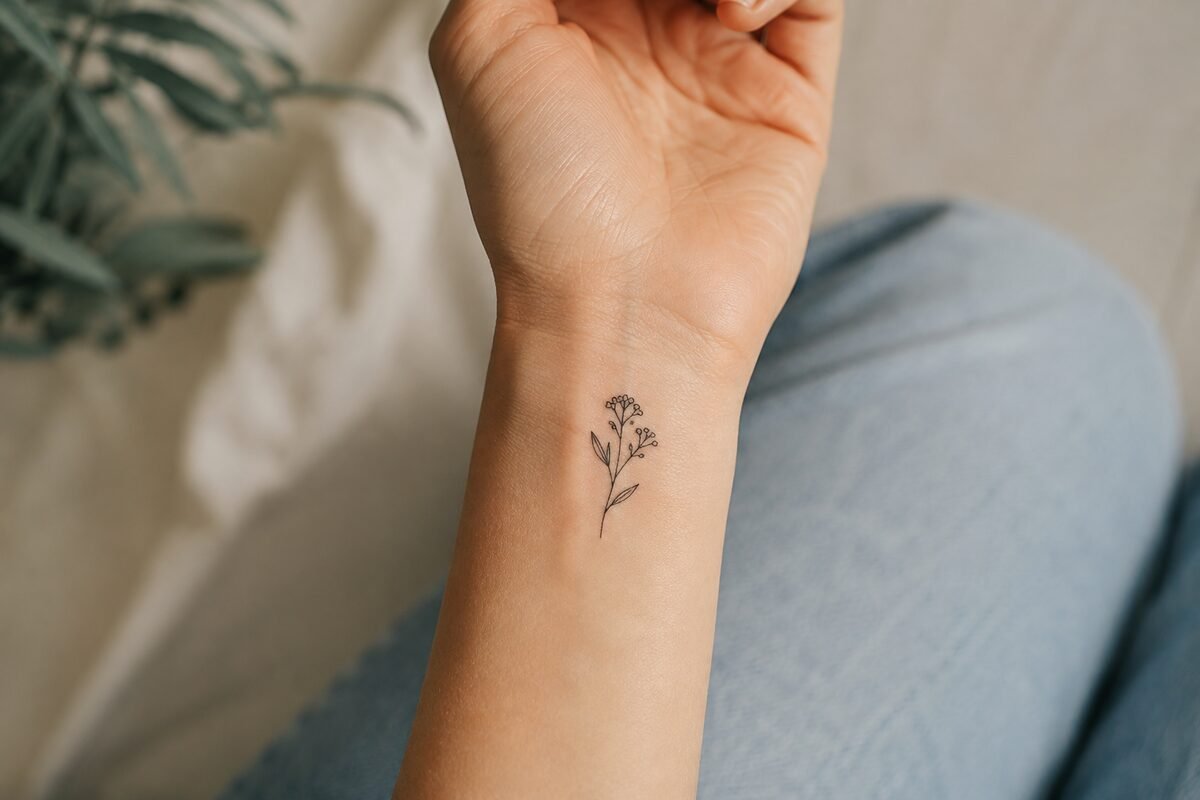
Most wrist tattoos heal on the surface within 2 to 3 weeks and settle fully underneath by week 6 to 8. Wrist tattoo healing time is less predictable than flatter placements, because the skin is thin and the joint barely stops moving.
How quickly yours gets there depends largely on three things: friction, movement, and moisture. Here is what to actually expect, week by week. If you are healing a tattoo on a different high-movement spot, our hand tattoo healing guide covers similar friction issues.
Wrist Tattoo Healing Timeline
| Stage | What’s happening | What to do |
|---|---|---|
| Days 1–2 | Redness, swelling, oozing plasma/ink | Keep covered as instructed, avoid soaking |
| Days 3–7 | Tightness, dryness, early peeling starts | Wash gently, moisturize lightly, avoid tight bands |
| Weeks 2–4 | Flaking, itching, some cracking risk at the joint crease | Moisturize more, avoid stretching the skin, watch for cracking |
| Weeks 5–8 | Surface looks healed, color settles | Resume normal wrist movement, keep sun protection up |
Days 1 to 2: Swelling Around the Wrist Joint
Expect redness, mild swelling, and some ink or plasma coming through the covering — this is normal on any fresh tattoo, and the wrist is no exception. Follow whatever covering instructions your artist gave you (second skin or traditional wrap), and avoid tight-fitting bands, cuffs, or long sleeves that rub directly over it during this window.
Days 3 to 7: Tightness Every Time You Bend
This is where the wrist starts to feel different from other spots. Because the skin here is thinner and moves constantly, tightness and early peeling can show up a day or two sooner than on a fleshier area like the upper arm or thigh. Keep the area clean and lightly moisturized, and resist the urge to pick at any flaking skin — pulling it early can pull ink out with it.
Weeks 2 to 4: Peeling, Itching, and Crease Cracking
Peeling and itching peak here, same as any healing tattoo. The wrist-specific risk in this stage is cracking at the joint crease — the fold where your hand meets your wrist flexes constantly, and dry, tight skin there can split open with normal movement. Moisturizing that crease slightly more often (without overdoing it — see the signs of over-moisturizing a tattoo) helps prevent this. If the itch feels intense, our guide on why a healing tattoo gets itchy covers how to handle it safely.
Weeks 5 to 8: Healed on the Surface, Still Rubbing
By this point the surface looks settled and color has stopped looking cloudy or faded. The skin can still be healing underneath for a few more weeks, so it’s worth keeping sun protection consistent even after it looks “done.” For the full day-by-day picture beyond just the wrist, see our complete tattoo aftercare guide.
Inner Wrist vs Outer Wrist Healing
The two sides of the same wrist do not heal the same way, and which one you chose changes what to expect. The inner wrist has thinner, paler skin with tendons running directly beneath it, and it creases every time you flex. That combination makes it more prone to sharp tightness in week one and to fine cracking along the crease in weeks two to four.
The outer wrist sits over flatter bone with tougher skin and less folding, so it usually behaves more like a small forearm tattoo. Its problem is contact rather than movement: it takes the friction from watch straps, bracelets, sleeve cuffs, and desk edges. If your tattoo wraps around the joint, expect the inner portion to peel earlier and the outer portion to stay irritated longer.
How to Wash a New Wrist Tattoo
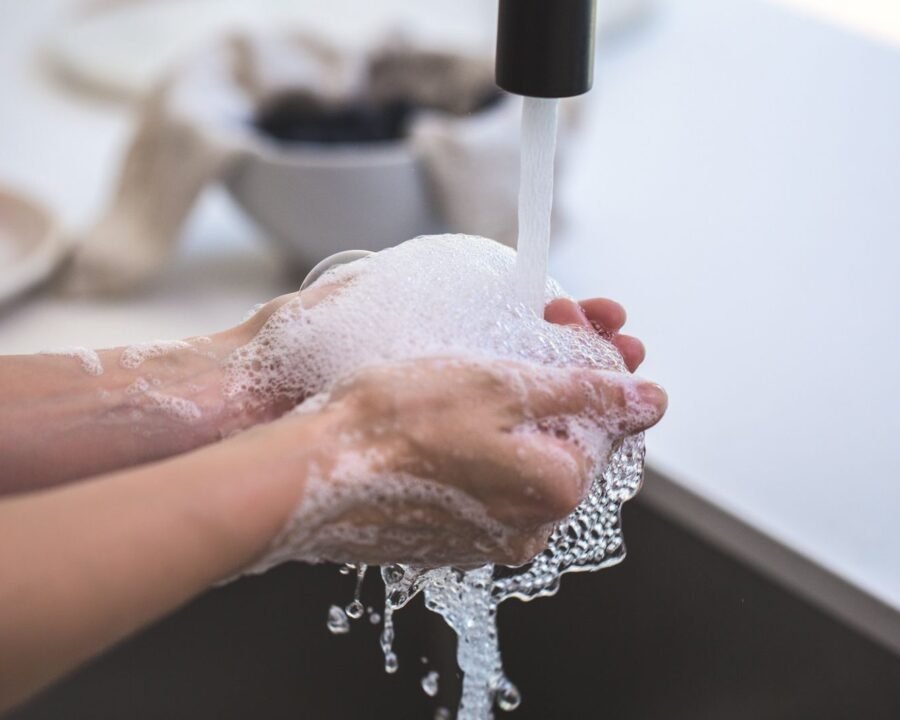
- Wash your hands before touching it.
- Rinse the tattoo with lukewarm water.
- Use a small amount of fragrance-free, gentle soap.
- Clean with your fingertips only — no washcloths or loofahs.
- Rinse thoroughly until no soap residue remains.
- Pat dry with a clean paper towel (avoid cloth towels early on).
- Let it air-dry for a few minutes before applying any product. For how often to reapply moisturizer as it heals, see how often you should moisturize a new tattoo.
Can You Wear a Watch or Bracelet Over a Healing Wrist Tattoo?
Not for the first couple of weeks, and ideally not until it’s fully peeled and no longer tender. A watch band or bracelet resting directly on healing skin creates constant friction and traps moisture and sweat underneath — a combination that can irritate the tattoo, fade patches of ink unevenly, or introduce bacteria. If you normally wear a watch daily, plan to either switch wrists temporarily, wear it looser and higher up your forearm, or go without until the area is fully settled.
Typing, Phone Use, and Everyday Wrist Movement
This is the part most guides skip. Your wrist doesn’t get a break just because it’s healing — typing, scrolling, driving, and lifting all flex the exact skin that’s trying to close up. You don’t need to immobilize it, but a few adjustments help:
- Take short breaks from repetitive typing or mousing if the area feels tight or sore.
- Avoid resting your wrist directly on a hard desk edge or keyboard wrist rest while it’s still tender.
- If your job or gym routine involves wrist wraps, straps, or repetitive gripping, ease back in gradually rather than jumping straight back to full intensity.
Can You Work Out With a New Wrist Tattoo?
Light activity is generally fine after the first day or two, but anything involving wrist straps, grip work, heavy typing sessions, or sports that put repeated pressure on the wrist (weightlifting, cycling with hand grips, racquet sports) is worth easing back into over the first one to two weeks. Sweat sitting under a wrap or against healing skin is one of the more common ways people slow down their own healing without realizing it.
What Can Slow Wrist Tattoo Healing?
- Wearing a tight watch, bracelet, or long sleeve that rubs the area
- Picking or scratching at peeling skin, especially at the joint crease
- Over-moisturizing (a thick, tacky layer traps moisture and can prolong healing)
- Sun exposure without protection once the tattoo is uncovered
- High-friction activity (gym, manual work) resumed too early
Signs That Need Medical Attention
Some redness, warmth, and mild swelling are normal in the first few days. Contact a doctor if you notice spreading redness beyond the tattoo, increasing pain after the first few days instead of improving, pus or a foul smell, fever, or red streaking extending up the arm — these can be signs of infection and aren’t something to wait out.
Wrist Tattoo Healing Checklist
- Follow your artist’s covering instructions for the first 24–48 hours
- Wash gently once or twice a day with fragrance-free soap
- Moisturize lightly — not thickly — especially at the joint crease
- Avoid wearing watches, bracelets, or tight sleeves until peeling is done
- Take breaks from repetitive typing or gripping if the area feels tight
- Ease back into gym or wrist-strap activities gradually
- Keep sun protection on once healed and uncovered
- Watch for spreading redness, pus, or fever and contact a doctor if they appear
Frequently Asked Questions
How long does a wrist tattoo take to heal?
Most wrist tattoos look surface-healed within 2 to 3 weeks, with full healing underneath by week 6 to 8.
Do wrist tattoos take longer to heal than other spots?
Not necessarily longer, but the constant movement and thin skin can make the process feel more sensitive, especially peeling and cracking at the joint crease.
Can I wear my watch during healing?
It’s best to wait until peeling has finished and the skin is no longer tender — usually 2 to 3 weeks — or wear it looser and higher up the forearm in the meantime.
Why does my wrist tattoo look faded while healing?
A cloudy or faded look during the peeling phase is normal and temporary. True color usually settles in over the following weeks.
Is cracking at the wrist crease normal?
Minor dryness is normal, but visible cracking usually means the area is too dry or is flexing too much without enough moisture. Adjust your moisturizing routine and reduce repetitive movement where possible.
Can I type or use my phone normally while it heals?
Yes, but take breaks if the area feels tight, and avoid resting your wrist directly on hard surfaces for long periods early on.
This article provides general educational information and does not replace personalized instructions from your tattoo artist or a qualified healthcare professional.