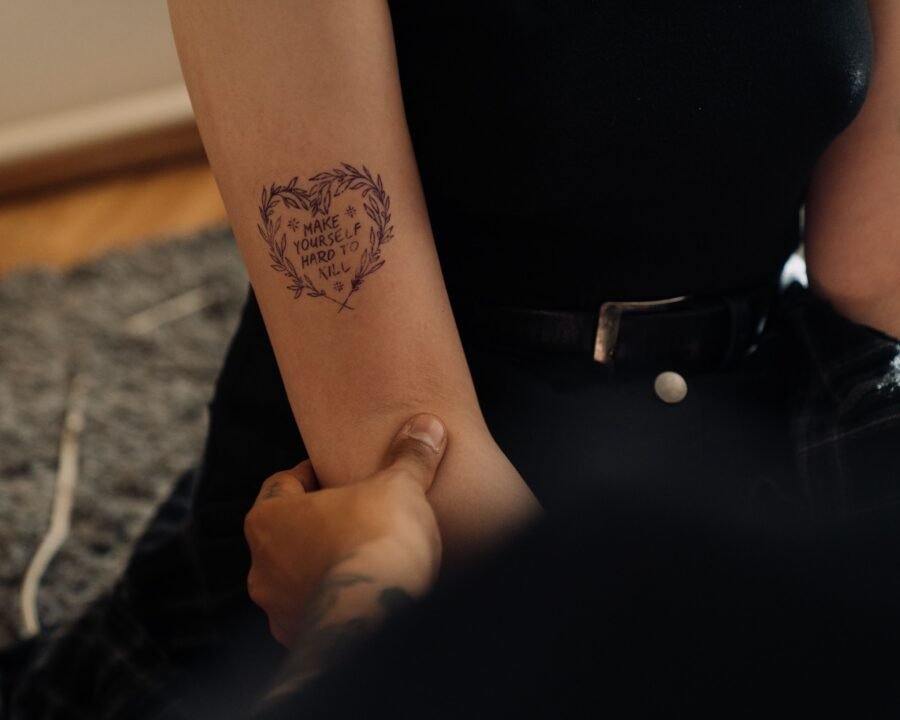
A tattoo stuck to sheets can usually be released without damaging it, but do not pull the fabric away while it is dry. Saturate the attached area with clean lukewarm water until the fabric loosens, then separate it slowly without scraping or picking the skin. Afterward, gently clean the tattoo and follow the aftercare instructions supplied by your tattoo artist.
What to Do When Your Tattoo Is Stuck to the Sheets
A tattoo stuck to the sheets is usually caused by plasma, excess moisturizer, blood, or ink drying between the healing skin and the fabric.
Stay calm and resist the instinct to pull the sheet away. A fresh tattoo can release plasma, blood, and excess ink during the first few days. As that fluid dries, the tattoo may adhere to fabric.
Follow these steps:
- Wash your hands thoroughly.
- Bring the attached fabric toward a clean sink or shower if possible.
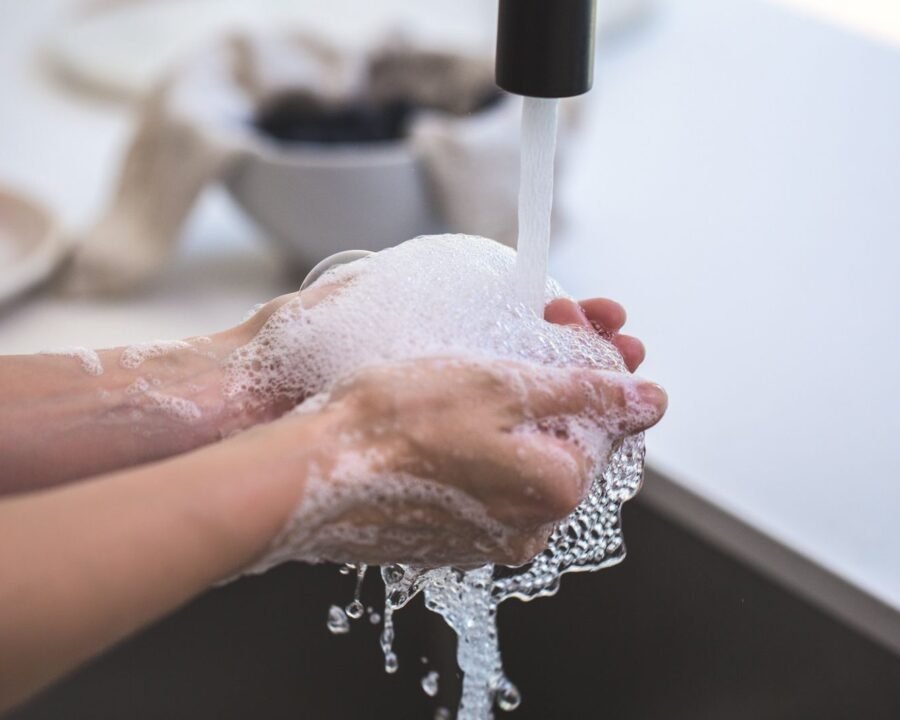
- Saturate the stuck area with clean lukewarm water.
- Wait while the dried fluid softens and the fabric begins releasing.
- Separate the material slowly without pulling against resistance.
- Gently clean the tattoo according to your artist’s instructions.
- Pat it dry with a clean disposable paper towel rather than rubbing it.
- Allow it to air-dry before applying a very thin layer of the recommended moisturizer, if appropriate.
Never tear the sheet away quickly. Pulling dry fabric from healing skin may remove scabs prematurely, reopen irritated areas, or cause bleeding.
Quick Decision Guide
| What happened | What to do |
|---|---|
| The fabric releases after becoming wet | Clean the tattoo gently and continue normal aftercare |
| Part of the sheet remains attached | Apply more lukewarm water and wait; do not force it |
| The tattoo begins bleeding slightly | Clean it carefully and monitor it |
| A scab was accidentally removed | Do not pick the area; keep it clean and contact your artist if concerned |
| Fibers remain stuck to the tattoo | Do not scrape them away; contact your artist for guidance |
| Pain, redness, or swelling keeps increasing | Contact a healthcare professional |
| You notice pus, spreading redness, fever, or an open sore | Seek medical care promptly |
Why Did My Tattoo Stick to the Sheets?
A newly tattooed area is an injured section of skin. During the early healing period, it may release a mixture of clear plasma, small amounts of blood, and excess ink. This fluid can dry against sheets, clothing, or blankets and act like an adhesive.
Sticking is more likely when:
- The tattoo is still weeping during the first few nights.
- The tattoo is pressed directly against the bedding.
- Heavy ointment or too much moisturizer was applied.
- The room is warm and the area becomes sweaty.
- The tattoo is on the back, chest, thigh, shoulder, or another area that contacts the mattress.
- Loose sheets fold or rub against the tattoo.
- Bedding has an absorbent or rough texture.
Some fluid and light crusting can occur during normal healing. However, symptoms should generally improve rather than become progressively more painful, hot, swollen, or red. Review our tattoo healing stages guide for a broader healing timeline.
Did Sticking Ruin the Tattoo?
Brief contact with a sheet does not automatically ruin a tattoo. If the material releases after being moistened and the skin underneath is not torn or bleeding heavily, continue your normal aftercare and monitor the area.
The tattoo may need closer attention if dry fabric was pulled away forcefully. Look for:
- Fresh bleeding that does not settle
- A visibly open or raw patch
- A scab removed before it was ready
- Increasing pain
- A section that looks significantly different after healing
- Persistent missing or faded pigment after the tattoo has completely healed
Do not judge the final ink while the tattoo is still peeling, cloudy, shiny, or scabbed. The appearance can change throughout healing. Once it is fully healed, your tattoo artist can determine whether a small touch-up is appropriate.
How to Clean the Tattoo After Releasing It
Follow the specific instructions given by your tattoo artist because products and bandaging methods differ. A general cleaning routine commonly includes:
- Wash your hands before touching the area.
- Use lukewarm water rather than very hot water.
- Apply a small amount of mild, fragrance-free cleanser if your artist recommends it.
- Clean gently with your fingertips.
- Do not use a washcloth, sponge, or body scrub.
- Rinse away any loosened residue.
- Pat the skin dry with a clean disposable paper towel.
- Let the surface dry before applying any recommended product.
Avoid soaking the tattoo in a bath. A quick rinse or shower differs from prolonged submersion. Our guide to showering after a tattoo explains how to wash without exposing the area to unnecessary heat, pressure, or soaking.
Should You Rewrap the Tattoo?
Do not automatically cover the tattoo with household plastic wrap or apply a new adhesive film without guidance. Bandaging instructions depend on the product used, how long ago the tattoo was completed, and whether the area can be cleaned and dried appropriately.
If your artist originally applied second skin, follow the instructions for that specific product. Contact your artist before replacing it, especially if the original seal failed or the tattoo contacted unclean material.
If an adhesive covering is leaking, lifting, or exposing the tattoo, see our second skin leaking guide.
How to Prevent Your Tattoo From Sticking Again
Use Clean Bedding
Change the sheets before the tattoo appointment or before the first night at home. Clean bedding reduces exposure to sweat, dirt, pet hair, skincare products, and other contaminants.
Older dark-colored sheets are practical because fresh tattoos can leave permanent ink and plasma stains. The bedding should still be freshly washed.
Choose a Safer Sleeping Position
Avoid putting direct pressure on the tattoo when possible. Sleeping positions depend on placement:
- Back tattoo: sleep on your stomach or side.
- Chest tattoo: sleep on your back.
- Side or rib tattoo: sleep on the opposite side.
- Leg tattoo: keep the tattoo away from the other leg and heavy bedding.
- Arm tattoo: position the arm where it will not remain trapped beneath your body.
Our complete guide to sleeping with a new tattoo includes placement-specific suggestions.
Avoid Excess Moisturizer
A thick coating of ointment or lotion can remain sticky and transfer onto bedding. Use only the amount recommended by your artist. The skin should not remain covered by a heavy, wet-looking layer.
If the tattoo repeatedly looks soggy, unusually shiny, or develops softened scabs, read our guide to signs of over-moisturizing a tattoo.
Wear Appropriate Clothing
Clean, loose, breathable clothing can create a light barrier between the tattoo and bedding, but it should not squeeze or rub the area. Avoid rough seams, tight waistbands, compression clothing, and fabrics that shed fibers.
If clothing becomes attached, use the same process: wet the stuck material and let it release gradually rather than pulling it away dry.
Keep Pets Away
Do not allow pets to sleep against a fresh tattoo. Hair, saliva, claws, and material carried on their paws can contaminate or irritate healing skin. Keep the tattoo covered only as directed and use clean bedding in a pet-free sleeping area when possible.
When Should You Contact Your Tattoo Artist?
Contact your artist if:
- A scab or section of skin was pulled away.
- You cannot release the attached fabric safely.
- Material remains stuck after gentle rinsing.
- You are unsure whether to reapply a covering.
- The tattoo repeatedly sticks to clothing or bedding.
- You are concerned that part of the design was damaged.
- Your aftercare instructions conflict with general online advice.
Your artist knows how the tattoo was applied, how saturated the area is, and which covering was used. Their instructions should take priority over generic advice when no medical warning signs are present.
When Should You Seek Medical Care?
Some tenderness, mild redness, clear fluid, itching, and flaking can happen during normal healing. The American Academy of Dermatology recommends seeking medical attention when redness spreads or darkens, pain worsens, pus appears, open sores develop, or symptoms such as fever and chills occur.
Contact a healthcare professional if you notice:
- Redness expanding away from the tattoo
- Increasing heat or swelling
- Pain that becomes stronger rather than improving
- Yellow or green discharge
- Pus or an unpleasant odor
- Painful bumps or blisters
- Fever, chills, or feeling unwell
- An open wound that is not improving
These symptoms should not be treated as an ordinary bedding problem. Cleveland Clinic also emphasizes that proper tattoo aftercare matters because poor healing can contribute to infection, rashes, scarring, and changes in the tattoo.
Frequently Asked Questions
Should I pull my tattoo away from the sheets?
No. Do not pull dry fabric from a healing tattoo. Wet the attached area with clean lukewarm water and allow the dried fluid to soften before separating it slowly.
What if part of my tattoo peeled off with the sheet?
Keep the area clean and do not pick at it. Contact your artist if the skin looks raw, continues bleeding, or appears damaged. Wait until the tattoo has fully healed before judging whether ink was lost.
Can I sleep on the tattoo the next night?
Avoid direct pressure while the area is tender, weeping, or easily irritated. Change your position and use clean bedding until the surface becomes drier and more settled.
Should I put more ointment on so it does not stick?
Not necessarily. Excess ointment may make the surface wetter and stickier. Apply only a very thin layer if recommended by your artist.
Is ink on my sheets normal?
Small stains from plasma, blood, or excess ink can occur during the early healing period. Heavy bleeding, worsening pain, spreading redness, or unusual discharge requires professional advice.
Can I use a towel to separate the tattoo from the sheet?
Use clean lukewarm water rather than rubbing with a towel. After cleaning, pat the tattoo dry gently with clean disposable paper towel.
The Bottom Line
If your tattoo is stuck to the sheets, do not pull it away while dry. Wet the attached fabric with clean lukewarm water, wait for it to loosen, and separate it slowly. Clean the tattoo afterward and continue the aftercare instructions supplied by your artist.
Most minor sticking incidents do not ruin a tattoo. Monitor the area, avoid pressure and excessive moisturizer, use clean bedding, and seek medical care if redness, pain, heat, swelling, or discharge becomes worse.
This article provides general educational information and does not replace personalized instructions from your tattoo artist or medical advice from a qualified healthcare professional.