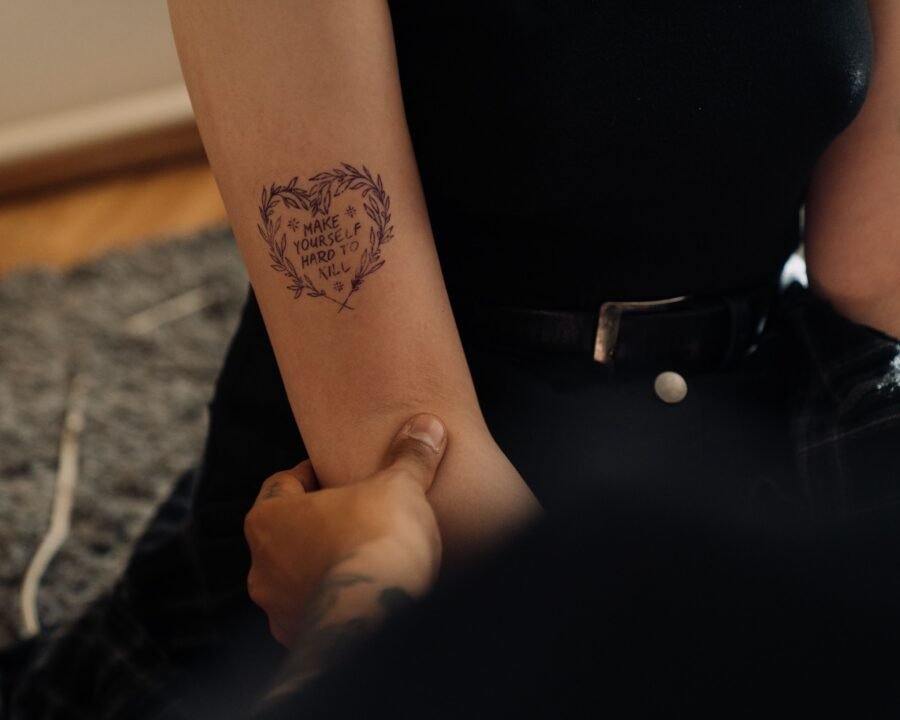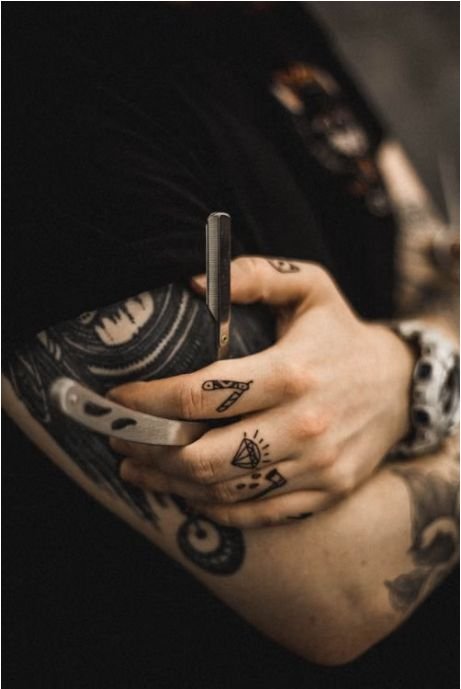
When can you shave over a new tattoo? Wait until the tattoo’s surface is completely healed. Do not shave skin that is still open, weeping, scabbed, peeling, cracked, swollen or unusually tender.
There is no universal number of days. Some tattoos settle within several weeks, while larger pieces and tattoos on high-friction areas may take longer. Check the condition of the skin and follow your artist’s advice rather than shaving on a predetermined date.
When Can You Shave Over a New Tattoo Safely?
The tattoo should meet all of these conditions before you shave it:
- No open or raw areas
- No fluid or drainage
- No scabs
- No peeling or loose flakes
- No cracks
- No significant redness or swelling
- No unusual tenderness
- Skin feels smooth and closed
- Gentle washing does not sting
- Your artist has no concerns about healing
If one area remains unhealed, avoid shaving the entire tattoo. A razor can catch peeling skin, lift scabs and create small cuts that irritate the area.
Cleveland Clinic explains that tattoo healing varies according to size and placement in its dermatologist-reviewed tattoo aftercare guidance. Use visible healing signs instead of assuming every tattoo is ready after the same number of days.
Shaving Timeline at a Glance
| Tattoo stage | Should you shave? |
|---|---|
| First several days | No |
| Weeping or tender stage | No |
| Scabbing stage | No |
| Peeling or flaking stage | No |
| Surface looks better but remains sensitive | Wait longer |
| Completely closed, smooth and comfortable | Shaving may be appropriate |
| Fully healed tattoo | Shave carefully using normal skin-safe practices |
The deeper layers continue recovering after the surface looks healed. However, shaving primarily affects the outer surface, so the main requirement is that the skin is fully closed, stable and free from active healing signs.
Read our guide to the tattoo healing stages to understand how the surface may change.
Why You Should Not Shave a Healing Tattoo
A Razor Can Catch Peeling Skin
Loose flakes can become trapped beneath the razor blade. Pulling them away prematurely may leave the tattooed skin raw and irritated.
Let peeling skin fall away naturally. Do not shave or exfoliate it to make the tattoo appear smoother.
Shaving Can Remove Scabs
A razor moving across a scab may cut, lift or tear it. Scabs protect the recovering surface and should not be removed deliberately.
Prematurely removing them may cause bleeding, irritation or changes in how the surface heals.
Shaving Can Create Small Cuts
Even careful shaving may cause tiny nicks. Introducing another skin injury over a healing tattoo creates unnecessary irritation.
Old or dull razors can tug at hair and require additional pressure, increasing the chance of cuts.
Shaving Products May Irritate the Skin
Fragranced shaving creams, aftershaves and alcohol-containing products may sting sensitive tattooed skin.
A product that feels comfortable on normal skin may not feel comfortable on newly healed skin. Use a gentle formula and stop if irritation develops.
Friction May Increase Redness
Repeated razor strokes create friction. Recently healed skin may remain more reactive than the surrounding skin even after visible peeling stops.
Waiting a little longer is safer than forcing a close shave while the area remains sensitive.
Can Shaving Remove Tattoo Ink?
Shaving a fully healed tattoo does not normally remove the tattoo pigment.
A razor cuts hair at or just above the surface of the skin. Tattoo pigment is deposited deeper in the dermis. Once the skin has healed, ordinary careful shaving should not reach the ink.
However, shaving too early can injure the recovering surface, remove scabs and cause irritation. The concern is not that a razor directly scrapes out properly placed pigment; the concern is disturbing skin that has not finished healing.
How Long Should You Wait?
Avoid relying on a strict rule such as exactly two weeks or exactly one month.
Healing depends on:
- Tattoo size
- Color saturation
- Placement
- Artist technique
- Individual skin
- Clothing friction
- Aftercare
- Health and lifestyle factors
- Whether complications developed
A small tattoo may settle sooner than a large leg sleeve. Tattoos on knees, elbows, ankles and other moving areas may remain irritated longer.
If you still see peeling, scabbing or shiny raw-looking areas, wait. If you cannot confidently tell whether the surface is healed, ask your artist.
How to Shave a Healed Tattoo Safely
Once the skin is completely healed, follow these steps:
- Wash your hands.
- Use a clean, sharp razor.
- Soften the hair and skin with warm water.
- Apply a gentle fragrance-free shaving cream or gel.
- Shave in the direction of hair growth.
- Use light pressure.
- Make as few passes as possible.
- Rinse the razor frequently.
- Rinse the tattoo gently after shaving.
- Pat the skin dry rather than rubbing.
- Apply a simple fragrance-free moisturizer if needed.
- Stop if the skin becomes painful or irritated.
Cleveland Clinic recommends softening the skin with warm water, using shaving cream and shaving with the direction of hair growth in its dermatologist-reviewed shaving guide.
Use a Clean, Sharp Razor
A dull blade may tug, skip and require repeated passes.
Replace the razor if it:
- Shows rust or damage
- Pulls at the hair
- Requires heavy pressure
- Causes repeated irritation
- Has been stored in a damp or dirty area
- Has been shared with another person
Never share razors. Use a clean blade and rinse it during shaving so hair and shaving product do not accumulate between the blades.
Use Warm Water, Not Very Hot Water
Warm water can soften the hair and make shaving more comfortable. Very hot water may increase dryness or irritation.
A short warm shower can prepare the skin before shaving. Avoid soaking or scrubbing the tattoo.
Read our guide explaining how to shower after a tattoo if the tattoo is still in an earlier healing stage.
Choose a Gentle Shaving Product
Use a shaving cream or gel that helps the razor glide without requiring heavy pressure.
Consider avoiding products containing:
- Strong fragrances
- Drying alcohol
- Harsh exfoliating acids
- Scrubbing particles
- Strong essential oils
- Ingredients that previously irritated your skin
Do not apply a new product across a large tattoo for the first time without considering how your skin normally reacts to it.
Shave With the Direction of Hair Growth
Shaving against the grain may create a closer result, but it can also increase tugging, irritation and ingrown hairs for some people.
For the first shave over a recently healed tattoo, use gentle strokes in the direction of hair growth. Avoid pressing repeatedly over the same area.
You can return to your normal shaving routine later if the skin remains comfortable.
What to Do After Shaving
After shaving:
- Rinse away remaining hair and shaving product.
- Pat the area dry using a clean towel.
- Do not scrub.
- Apply a light fragrance-free moisturizer if the skin feels dry.
- Avoid tight clothing that rubs the freshly shaved area.
- Monitor for irritation.
Our guide explains how often to moisturize tattooed skin during the healing process.
Once the tattoo has fully healed, protect exposed tattooed skin using broad-spectrum sunscreen. Read when you can put sunscreen on a new tattoo.
Should You Exfoliate Before Shaving?
Do not exfoliate a fresh or recently healed tattoo.
Physical scrubs, loofahs, rough washcloths and exfoliating acids may irritate sensitive skin. Wait until the tattoo is fully healed and behaving like normal skin before returning to an exfoliation routine.
Even after healing, use gentle pressure and stop if the tattooed skin becomes irritated.
Can You Use an Electric Razor?
An electric razor may reduce the chance of a traditional blade cutting the skin, but it still creates friction and should not be used over an actively healing tattoo.
Wait until scabbing and peeling have ended. Clean the electric razor according to its instructions before using it on tattooed skin.
Avoid pressing hard or making repeated passes over the same area.
Can You Wax Over a New Tattoo?
Do not wax an unhealed tattoo.
Waxing pulls hair from the follicle and adheres directly to the skin. This can create more stress than shaving and may pull at peeling, sensitive or recently healed skin.
Wait until the tattoo is completely healed. If your skin remains sensitive, ask a dermatologist or experienced professional before waxing the area.
Can You Use Hair-Removal Cream?
Do not use depilatory cream on a fresh or healing tattoo.
Hair-removal creams contain chemicals designed to break down hair. They may irritate sensitive skin and should never be placed on open, peeling, scabbed or inflamed skin.
After the tattoo has healed, follow the product directions and consider testing it on a small area of nearby untattooed skin first. Stop immediately if burning or irritation occurs.
Can You Use an Epilator?
Avoid using an epilator over a healing tattoo. Epilators pull hair from the root and can create significant friction and discomfort.
Wait until the skin is fully healed and no longer sensitive. Clean the device before use and avoid repeated passes.
Shaving Advice by Tattoo Placement
| Tattoo placement | Main shaving concern |
|---|---|
| Leg or thigh | Large surface area and repeated razor passes |
| Ankle or foot | Friction from socks and shoes after shaving |
| Arm or forearm | Clothing and frequent sun exposure |
| Armpit | Sweat, friction and product irritation |
| Chest | Sensitive skin and hair growing in different directions |
| Stomach | Waistband friction |
| Back | Difficulty seeing and controlling the razor |
| Knee or elbow | Uneven surface and repeated bending |
| Neck | Frequent shaving and clothing friction |
Ask another person for help with hard-to-reach areas only if they can use a clean razor safely. Do not blindly shave across a tattoo you cannot see.
What If You Accidentally Shave Too Early?
Stop shaving immediately.
If the skin is irritated but not cut:
- Rinse gently with lukewarm water.
- Pat it dry.
- Avoid additional shaving products.
- Return to the aftercare routine recommended by your artist.
- Monitor the area.
If you create a small cut:
- Wash your hands.
- Clean the area gently.
- Apply clean pressure if it is bleeding.
- Avoid shaving again until it has healed.
- Contact a healthcare professional if the cut is deep, will not stop bleeding or develops signs of infection.
Do not apply alcohol-based aftershave to the injured tattoo.
What If the Tattoo Looks Healed but Feels Sensitive?
Wait longer.
A tattoo can look smooth while the skin still feels tight, itchy or tender. Shaving is optional, so there is no benefit in rushing.
Continue gentle washing and moisturizing and try again after the sensitivity has resolved. Ask your artist or dermatologist if discomfort persists or worsens.
When Should You Seek Medical Advice?
Some dryness and mild sensitivity may occur while a tattoo heals. Seek medical guidance if you notice:
- Rapidly spreading redness
- Increasing pain
- Significant swelling or heat
- Pus or unusual drainage
- Fever or chills
- Red streaks
- A severe or spreading rash
- A cut that will not stop bleeding
TattooPiece cannot diagnose an infection or skin reaction.
Frequently Asked Questions
Can I shave over a tattoo after one week?
A one-week-old tattoo is commonly still healing. It may be tender, peeling or scabbed. Do not shave until the surface is completely healed.
Can I shave over a tattoo after two weeks?
Some tattoos may look better after two weeks but still have peeling or sensitive areas. Check the skin rather than relying only on the date.
Can I shave over a tattoo after one month?
Possibly, if every part of the surface is closed, smooth and free from peeling, scabs and tenderness. Larger tattoos may require longer.
Will hair growing back damage my tattoo?
No. Allowing hair to grow naturally does not harm tattoo pigment. Avoid shaving until the skin is ready.
Will shaving make my tattoo fade?
Careful shaving over fully healed skin does not normally remove tattoo ink. Long-term fading is influenced more by factors such as UV exposure, skin aging and tattoo placement.
Can I shave around the tattoo?
You may carefully shave surrounding fully intact skin while leaving a generous distance around the healing tattoo. Avoid stretching, touching or contaminating the tattoo.
Can a tattoo artist shave the area again during a touch-up?
The artist will decide whether the skin has healed sufficiently for a touch-up and any necessary shaving. Do not schedule a touch-up while the area remains actively healing.
What razor is best for tattooed skin?
Use a clean, sharp razor that works well with your skin. Avoid rusty, damaged, shared or dull blades.
The Bottom Line
Wait until the tattooed skin is completely healed before shaving over it. The surface should be closed, smooth and free from scabs, peeling, cracks, fluid and tenderness.
When the skin is ready, use warm water, a gentle shaving product and a clean sharp razor. Shave with the direction of hair growth using light pressure and as few passes as possible.
Do not rush because of visible hair. Waiting longer is safer than cutting or irritating skin that has not completed surface healing.
This article provides general educational information and does not replace personalized guidance from your tattoo artist or medical care from a qualified healthcare professional.