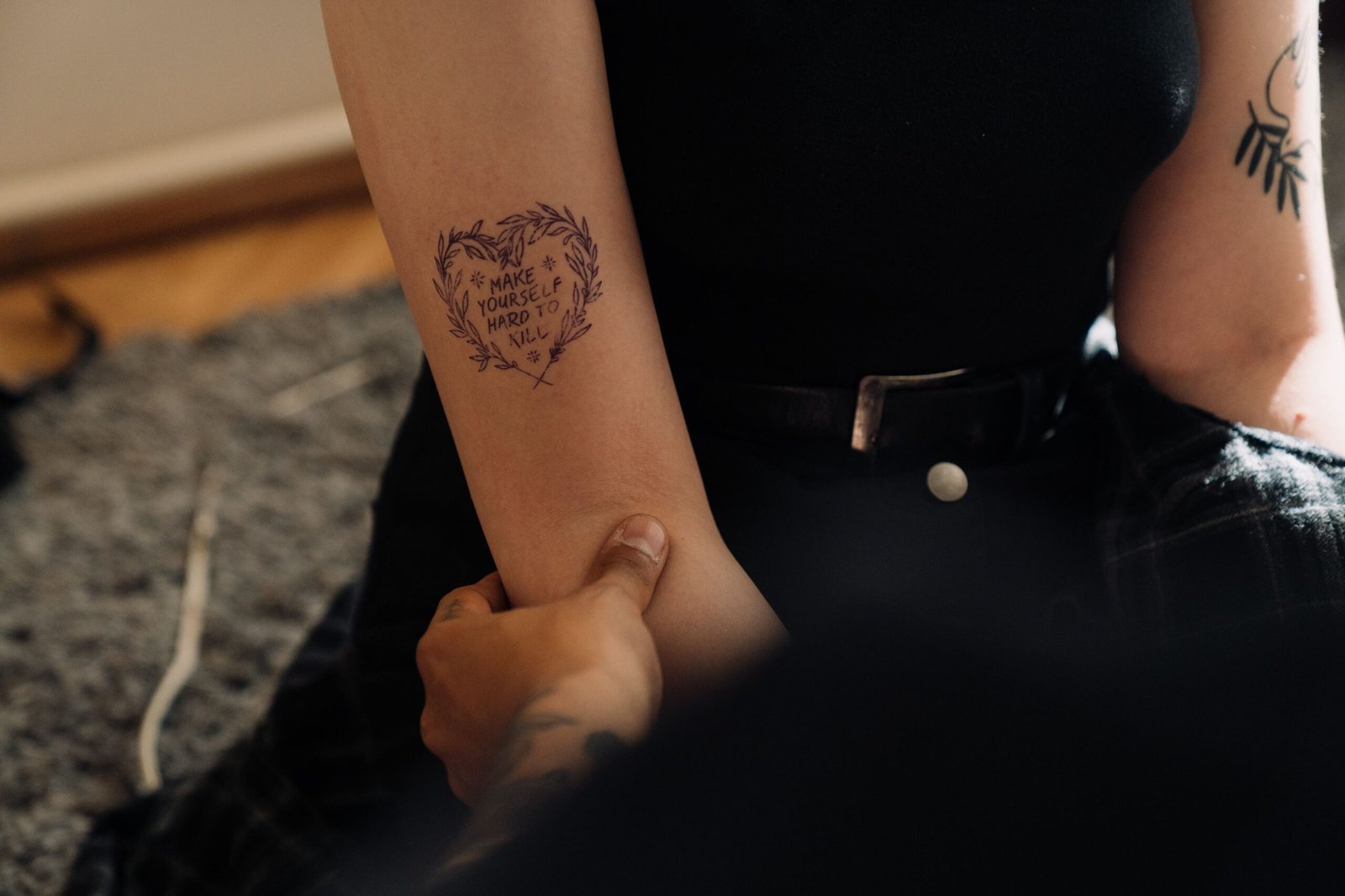
An allergic reaction to second skin shows up as redness, itching or raised bumps that follow the outline of the bandage rather than the outline of the tattoo. If the rash stops exactly where the adhesive stopped, the film is the likely cause, and it should come off.
What an Allergic Reaction to Second Skin Looks Like
Adhesive reactions usually appear within the first day or two of wear, and they look different from ordinary healing irritation.
- A red band or frame around the edge of the film, sometimes described as looking like a chemical burn
- Small raised bumps or hives on skin the adhesive touched but the needle never did
- Itching that gets worse the longer the bandage stays on, rather than easing
- Blistering or weeping on undamaged skin outside the tattoo
- Redness that keeps spreading outward past the bandage after removal
A fresh tattoo is expected to be sore, warm and a little red for the first few days. The distinguishing feature of an adhesive reaction is that it affects skin that was never tattooed.
The Giveaway: Does the Rash Match the Bandage Outline?
This is the single most useful check. Look at where the irritation stops.
| Where the redness sits | Most likely cause |
|---|---|
| Follows the rectangle of the film, including bare skin | Reaction to the adhesive |
| Sits only on the tattooed lines and shading | Normal healing, or a pigment reaction |
| Concentrated in one red patch inside the tattoo | Possible pigment reaction, often to red ink |
| Spreading outward with heat, swelling and pus | Possible infection, needs medical review |
Adhesive Reaction or Ink Allergy?
These are two separate problems and they resolve very differently. An adhesive reaction ends when the film comes off. A pigment reaction does not, because the trigger is still in the skin.
DermNet notes that the two most common hypersensitivity reactions to tattoo pigments are allergic contact dermatitis and photoallergic dermatitis, and that red pigments cause the most reactions. Its overview of tattoo-associated skin reactions is a useful reference if the irritation is confined to one colour in the design. The American Academy of Dermatology similarly lists unexpected skin reactions after tattooing, including ink allergies that can surface years later.
If the rash tracks the bandage, neither of those applies. You are dealing with the dressing, not the tattoo.
Should You Remove the Second Skin?
Yes. There is no benefit to leaving a bandage on skin that is reacting to it, and the reaction will keep building for as long as the adhesive is in contact.
Remove it slowly under warm running water, stretching the film low and parallel to the skin rather than pulling it upward. Irritated skin tears more easily than healthy skin, so the gentler the angle, the better. The removal method is the same one covered in what to do when second skin comes off early.
Do not reapply another piece of the same film. If your artist gave you spares, keep them for a future tattoo only if you and they conclude the reaction was caused by something else.
How to Settle the Skin After Removal
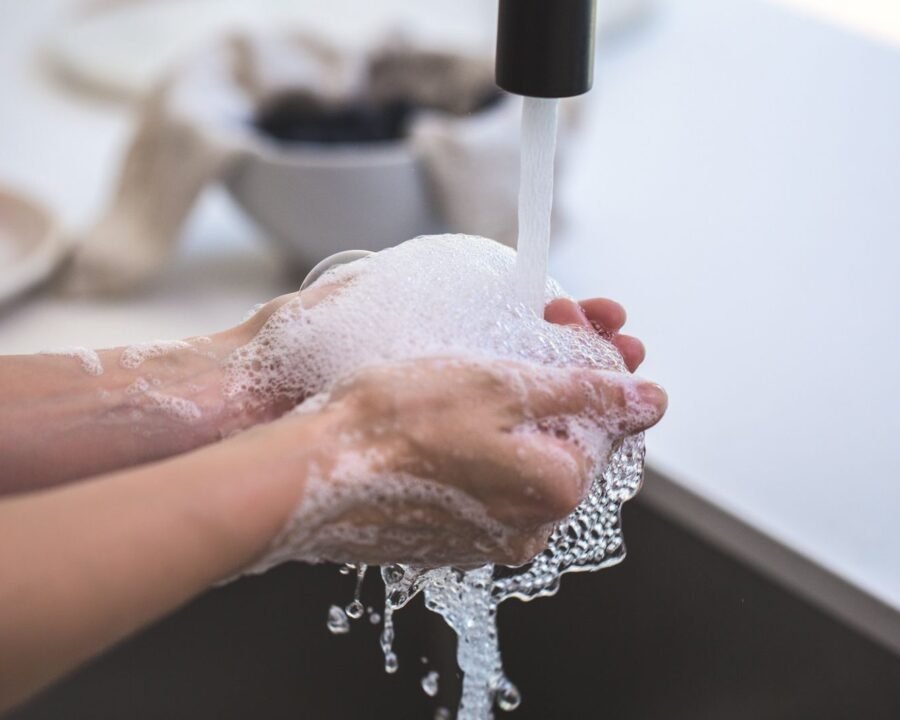
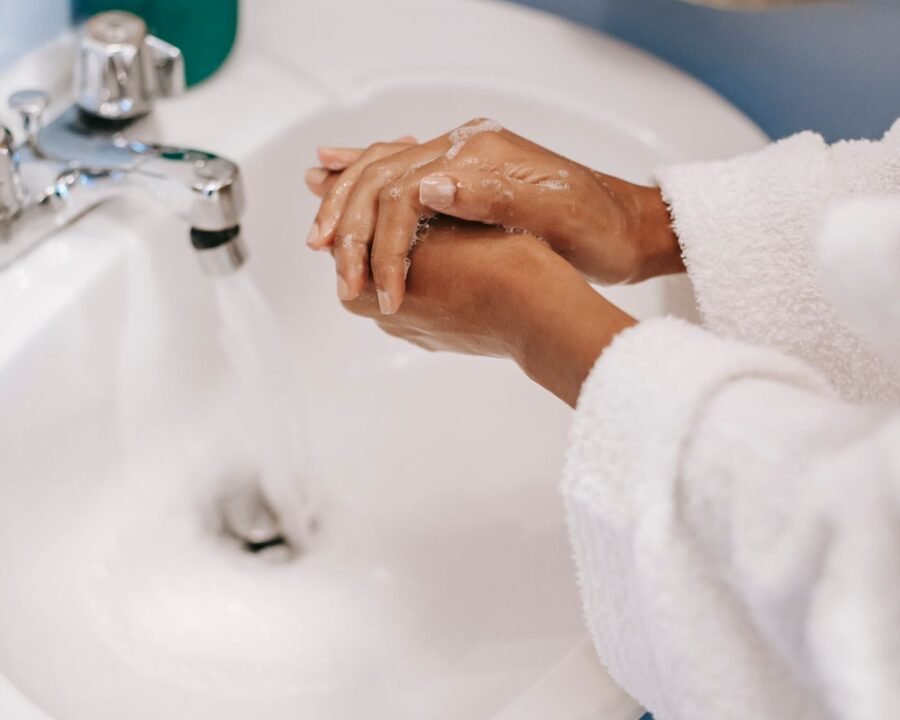
- Wash the whole area, tattooed and untattooed, with lukewarm water and a plain fragrance-free soap.
- Pat dry with a clean paper towel rather than a bath towel.
- Leave it uncovered and open to the air where you can.
- Apply a thin layer of a fragrance-free moisturiser to the tattoo itself, and nothing heavy on the irritated border.
- Message your artist with a photo. They will have seen it before and may know which brand they used.
Resist the urge to load the area with product. Heavy application on already-inflamed skin tends to make things worse, not better, as covered in the signs of an over-moisturised tattoo.
How Long Does a Second Skin Rash Last?
Once the adhesive is off the skin, mild irritation often calms within a few days. A stronger reaction with blistering can take one to two weeks to fully settle, and the outline may stay faintly visible after the itching has stopped.
What matters is the direction of travel. Redness that is fading day by day is resolving. Redness that is still spreading two or three days after removal is not, and that is the point to seek advice.
Can You Still Heal the Tattoo Without Film?
Yes. Adhesive film is a convenience, not a requirement. Dry healing and traditional wash-and-moisturise aftercare produced good results for decades before these bandages existed.
Switch to washing the tattoo two or three times a day and applying a thin layer of moisturiser afterwards. Keep it out of pools and direct sun, and expect the same peeling and flaking phase you would have had under film. The full sequence is set out in the tattoo healing stages guide.
How to Avoid It Next Time
Ask your artist to patch test before your next appointment. A small square of the film worn on the inner forearm for 24 hours will usually reveal a sensitivity before it is stuck over a fresh tattoo.
Brands differ in their adhesive formulation, so reacting to one does not guarantee you will react to all of them. It does mean the testing step is worth the day it costs. Tell any new artist about the reaction before they reach for the roll.
When to See a Doctor
- Redness that keeps spreading after the film has been off for two days
- Fever, chills or feeling unwell
- Yellow or green discharge, or a bad smell
- Widespread hives, facial swelling or any difficulty breathing, which needs emergency care
- Blistering that breaks open over a large area
Frequently Asked Questions
How do I know if I am allergic to second skin?
The clearest sign is irritation on skin the needle never touched. If redness, bumps or itching follow the shape of the bandage rather than the shape of the tattoo, the adhesive is the likely cause.
How long does a second skin rash last on a tattoo?
Mild irritation often settles within a few days of removing the film. A stronger reaction involving blistering can take one to two weeks, and a faint outline may remain visible after the itching stops.
How do you get rid of a rash from second skin?
Remove the film, wash the area with plain fragrance-free soap and lukewarm water, then leave it open to the air. Avoid heavy product on the irritated border and contact your artist or a clinician if it is still spreading after two days.
Can you be allergic to one brand of second skin but not another?
Yes. Adhesive formulations vary between brands, so a reaction to one film does not guarantee a reaction to all of them. A 24-hour patch test on the inner forearm is the practical way to find out.
Is a rash under second skin the same as an infection?
No. An adhesive reaction is itchy and follows the bandage outline, and it improves once the film is off. Infection tends to bring heat, swelling, pus and feeling unwell, and it gets worse rather than better after removal.
The Bottom Line
If the rash matches the bandage rather than the tattoo, take the film off and heal the piece the traditional way. Most adhesive reactions fade within days of removal, and the tattoo underneath is usually unaffected. Patch test before the next session, and tell your artist what happened.
For the wider picture on how these bandages are meant to behave, see the complete second skin aftercare timeline.