Most people need exactly two tattoo aftercare products: a fragrance-free cleanser and a fragrance-free moisturiser. A third, sunscreen, matters enormously but only after the tattoo has healed. Everything else sold for tattoo aftercare is optional, and some of it is actively unhelpful during the first weeks. If your tattoo stays wet or sticky after applying, check the signs of over moisturizing a tattoo.
This guide covers what to buy, when each product actually comes into play, and what you can skip. Each product type has a dedicated guide on this site going deeper — this page is the shopping decision, not the technique.
The Minimum Kit
If you buy nothing else, buy these two before your appointment so they are waiting when you get home:
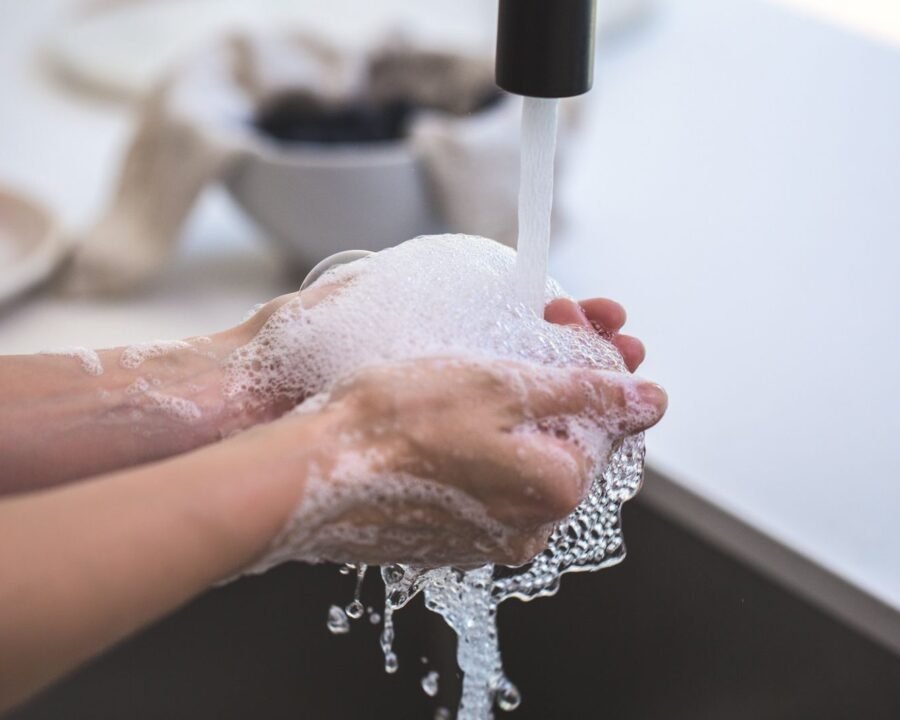
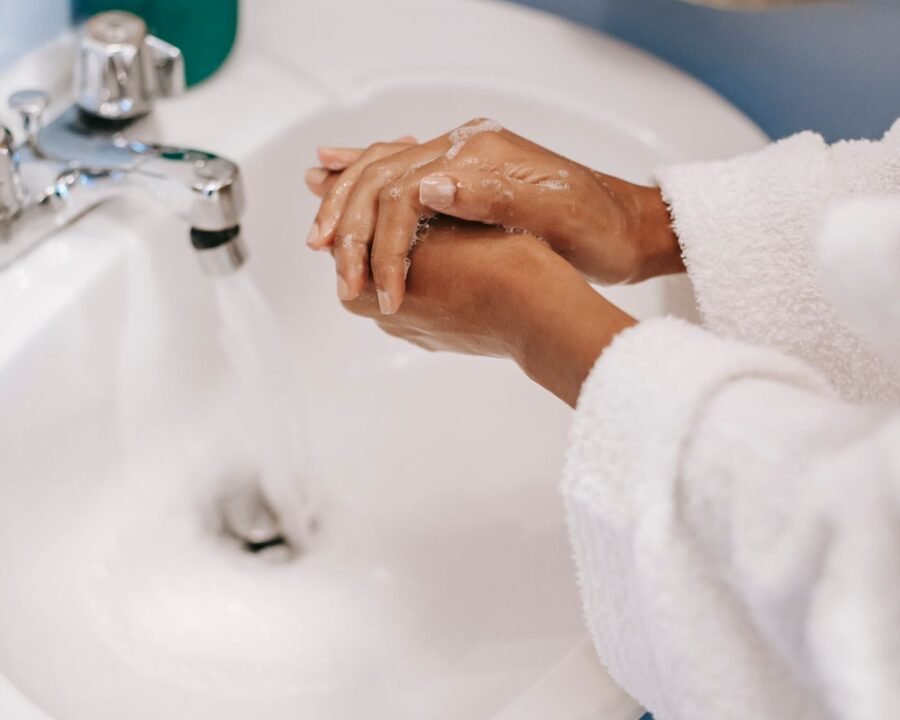
- A fragrance-free liquid cleanser. Used two or three times a day to wash the tattoo. It does not need to be a tattoo product. Our guide to the best soap for a new tattoo compares the types, including why green soap is a studio product rather than a home one.
- A fragrance-free moisturiser. Applied in a thin layer after washing, once the tattoo is past the first covering. How often to moisturise covers the schedule, and the sensitive-skin guide covers ingredient choice if your skin reacts easily.
That is genuinely the list. The two-product answer is not a budget compromise — it is what most studios recommend, and adding products increases the chance of a reaction without improving the heal.
What to Use and When
The more useful question than “what should I buy” is “what do I use, and at which point”. Products that are correct in week three can be wrong on day one.
| Product | When it applies | What it does | Skip it when |
|---|---|---|---|
| Fragrance-free cleanser | From first covering removal until fully closed | Removes plasma, ink residue and bacteria without stripping skin | Never — this is the one constant |
| Fragrance-free lotion | Once the tattoo is past the weeping stage | Keeps skin supple so it flakes rather than cracks | The tattoo is still visibly wet, or the layer would be thick |
| Ointment / petroleum jelly | Only if your artist specifically instructs it | Heavy occlusive barrier; some artists use it briefly | Applied thickly or by default — see the Vaseline guide |
| Second skin film | Applied by the artist, occasionally replaced once | Sealed protective barrier for the first days | Buying extra rolls to keep reapplying at home |
| Sunscreen (SPF 30+) | Only after the tattoo has fully healed | Prevents long-term fading; permanent maintenance | The surface has not closed — see when sunscreen is safe |
| Antibacterial wash | Only if your studio asks for it | Additional bacterial control | Used routinely; some actives dry healing skin |
| Numbing cream | Before the session, not after | Reduces surface pain during tattooing — never on broken skin | Any point during healing — see the numbing cream guide |
What You Can Skip
The aftercare aisle is bigger than the actual need, and a few categories come up repeatedly with more marketing than justification.
- Multi-item aftercare kits for a single small tattoo. You will use a fraction of it before the tattoo heals.
- Tattoo-branded soap at a premium when a plain fragrance-free cleanser meets the same criteria for less.
- “Brightening” or “colour-boosting” balms. Nothing applied topically changes how saturated healed ink looks; that is down to the artist and how well the skin healed.
- Green soap for home use. It is what artists use during the session, diluted, not a home aftercare product.
- A second product bought mid-heal because the first one stung. Switching repeatedly makes it impossible to identify what your skin actually objected to.
Buy Before, Not After
The most common practical mistake is not the products themselves but the timing of buying them. Walking out of a studio with a wrapped tattoo and no cleanser at home is how people end up washing with whatever scented body wash is in the shower.
Ask your artist at booking what they recommend, buy it that week, and have it in the bathroom before the appointment. Studios often have a preferred product because they have watched hundreds of clients heal with it, which is a more useful signal than a product page. Their instructions take priority over any general guidance, including this page — our full aftercare guide covers the routine itself once you have the products.
When Products Are Not the Answer
If a healing tattoo is getting redder, hotter, more painful, or producing pus, no change of product will fix it. That is a conversation with a healthcare professional. The FDA’s tattoo safety guidance notes that a tattoo which is not healing properly, or develops a rash, bumps, or fever, should be discussed with both the artist and a healthcare professional.
Mild irritation shortly after starting a new product is a different matter and usually means that product does not suit you. Stop it, go back to clean water and clean hands, and add one replacement rather than several.
FAQ
Do you need special tattoo aftercare products?
No. A fragrance-free cleanser and a fragrance-free moisturiser cover the whole healing period, and neither has to be sold as a tattoo product. Tattoo-branded kits are convenient and often perfectly good, but they are not doing something a plain cleanser and lotion cannot.
What can I put on my new tattoo if I do not have ointment?
A plain fragrance-free lotion is fine, and in most routines it is the better default anyway — heavy ointments are easy to overapply. If you have nothing at all, clean lukewarm water and clean hands are safer than reaching for a scented product because it is what is in the cupboard.
What should you never put on a new tattoo?
Anything scented, anything exfoliating, and anything medicated with acids or benzoyl peroxide. Also avoid alcohol-based products, thick barrier layers applied too early, and sunscreen on skin that has not closed yet.
How much should tattoo aftercare cost?
Very little. One cleanser and one moisturiser, both fragrance-free, will see a normal tattoo through healing. The main cost risk is buying a multi-item kit for a single small tattoo, or replacing products midway because the first one seemed to sting.
When do you stop using aftercare products?
Cleanser and moisturiser stay in the routine until the surface has fully closed and stops feeling tight, typically a few weeks. Sun protection is different — that becomes permanent maintenance for as long as you want the tattoo to stay sharp.
The Bottom Line
The honest list of tattoo aftercare products is short: one fragrance-free cleanser, one fragrance-free moisturiser, and sunscreen later once the tattoo has healed. Buy them before the appointment, follow your artist over any general advice, and treat the rest of the aisle as optional rather than necessary.
This article provides general educational information and does not replace personalized instructions from your tattoo artist or medical care from a qualified healthcare professional.