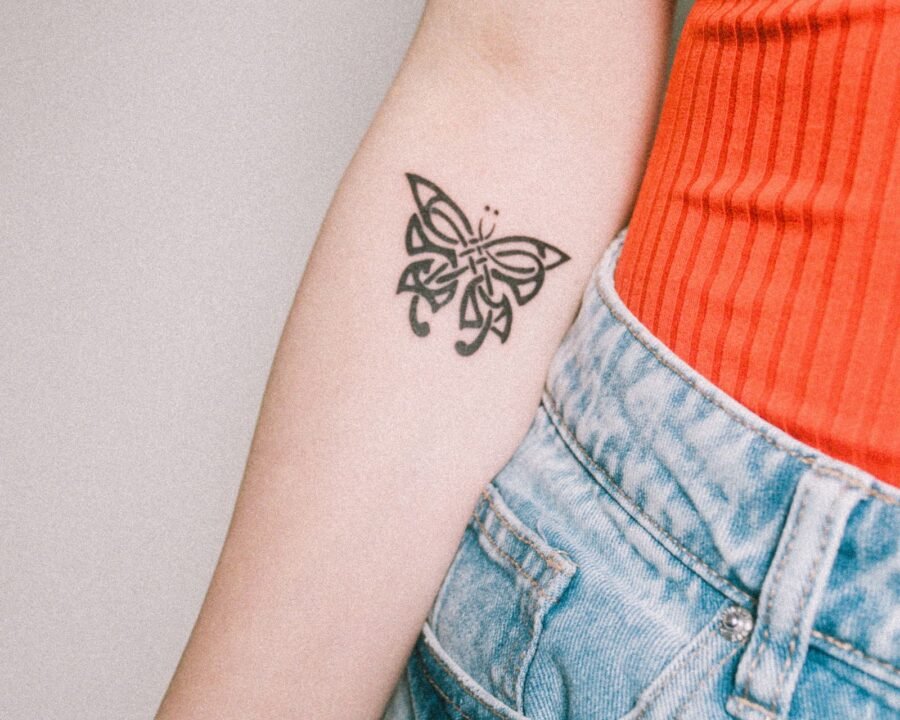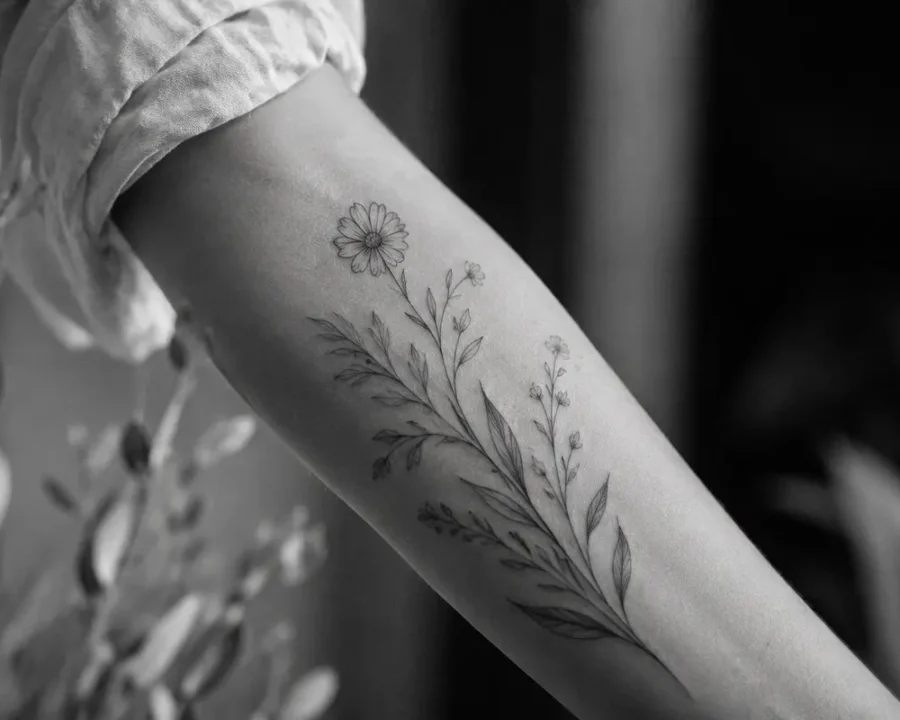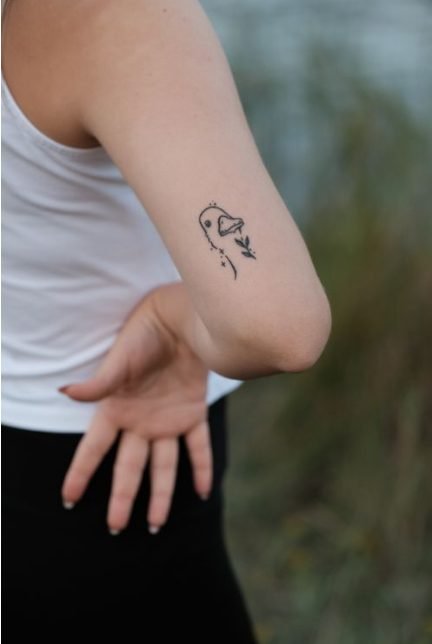
Looking for small tattoo placement ideas that will still look good years from now? Where you put it matters as much as what you get. If pain is also part of your decision, our ranked least painful tattoo spots guide covers that side.
Where you put a small tattoo matters almost as much as what you get. Fine lines and tiny details are the first things to blur, so a design placed on skin that stretches, rubs against clothing, or sits in constant sun will age faster and need more touch-ups than the same design placed somewhere stable and protected. If you want a small tattoo that still looks sharp in ten years, placement isn’t a style choice — it’s a longevity decision.
Small Tattoo Placement Ideas: Why Placement Matters More
Bigger tattoos have room to lose a little sharpness and still read clearly — a thick line that softens by 10% is barely noticeable across a full sleeve. A small tattoo doesn’t have that buffer. A quarter-inch line that spreads or blurs even slightly can change the whole shape of a tiny symbol, and fine detail is exactly what fades first as ink settles and the skin around it ages.
Three things drive most of that change over time:
- Sun exposure — UV light breaks down ink pigment faster than almost anything else, which is why sun-exposed spots like hands, forearms, and feet fade quicker than covered skin.
- Friction — areas that constantly rub against clothing, shoes, phones, desks, or other skin (fingers, feet, inner wrist, waistband) wear ink down mechanically, on top of any fading from light.
- Skin elasticity and movement — joints, creases, and areas prone to stretching or fluctuating with weight change distort linework as the skin under the ink shifts.
None of this means small tattoos are a bad idea — it just means the placement decision deserves the same thought as the design itself. Our full tattoo placement guide covers this in more depth if you’re weighing options for a larger piece too, but small tattoos are where these rules matter most because there’s so little margin for blur.
It also helps to know that “fading” isn’t one single process. Sun damage tends to wash out color and lighten black ink evenly across the whole design. Friction wears at the surface and can thin out fine lines unevenly, sometimes leaving gaps. Skin stretching distorts the actual shape of the tattoo rather than just its color — a straight line can end up slightly wavy, or a tight circle can stretch into an oval. A placement that’s bad for one of these reasons isn’t automatically bad for all of them, which is why “best placement” always depends a little on which risk you’re trying to avoid.
Small Tattoo Placement Comparison
Here’s how the most popular small-tattoo spots actually hold up over time, and why.
| Placement | How It Ages | Why |
|---|---|---|
| Upper outer arm / shoulder | Ages well | Stable, mostly flat skin with low friction and easy to cover from sun; minimal stretching over time. |
| Upper back | Ages well | Large stable surface, rarely exposed to sun or friction, doesn’t stretch much with weight or age. |
| Behind the ear | Ages well, but tiny | Low friction and often shaded by hair, though very thin skin means fine lines can still soften over decades. |
| Rib cage | Ages fairly well | Usually covered and low-friction, but the skin here is thin and moves with breathing, so healing can be trickier and linework slightly less crisp. |
| Collarbone | Mixed | Low friction, but often exposed to sun in warm weather and sits over thin skin close to bone. |
| Outer forearm | Fades faster | One of the most sun-exposed areas on the body; needs consistent sunscreen or fades noticeably within a few years. |
| Inner wrist | Fades faster | Constant flexing, friction from sleeves and watches, and thin, fast-moving skin all soften fine detail quickly. |
| Ankle | Fades faster | Sock and shoe friction plus sun exposure in warm months wears down small designs fast. |
| Finger | Fades fastest | Skin turns over quickly and hands are in constant use and constant contact — ink often needs touch-ups within a year or two. |
| Back of neck | Mixed | Low friction if hair covers it, but sun exposure and hair/collar rubbing can wear it down if left uncovered. |
Best Small Tattoo Placements for Longevity
If holding up over time is the priority, the pattern is consistent: pick skin that’s flat, stable, low-friction, and easy to keep out of the sun.
- Upper arm (outer bicep/shoulder area): This is close to a best-case spot for a small tattoo. It’s covered by a sleeve most of the year, doesn’t see much friction, and the skin stays relatively stable through adulthood. It’s also easy to size up later if you want to add to it.
- Shoulder blade / upper back: Same logic — flat, stable, low-friction skin that’s simple to shade from the sun with regular clothing. The trade-off is you’ll need a mirror or a phone photo to see it yourself.
- Upper outer thigh: Often overlooked for small tattoos, but it shares most of the same advantages — usually covered, low movement, minimal sun.
The common thread isn’t luck — it’s biology. Skin that doesn’t stretch, doesn’t rub, and doesn’t see the sun keeps ink particles sitting still in the dermis instead of getting broken down or dispersed. Weight and muscle changes matter here too. A small tattoo on the upper arm or upper back sits over muscle and a relatively thick layer of tissue, so normal weight fluctuations over the years don’t distort it much. Compare that to a small tattoo near the stomach, hip, or lower back, where even modest changes in body composition can stretch or compress the skin enough to warp a delicate design. That’s another reason stable, low-movement placements consistently outperform trendier but more exposed spots over a decade or more.
For more on how skin itself changes with age — thinning, collagen loss, reduced elasticity — Cleveland Clinic’s overview of aging skin covers the underlying mechanics.
Placements Worth Thinking Twice About
These spots are popular for small tattoos because they’re personal and visible, but they come with a real trade-off: you’re signing up for more maintenance.
- Fingers: The skin on your hands regenerates faster than almost anywhere else on your body, and your hands are in near-constant contact with, well, everything. Finger tattoos commonly fade to a faint shadow within a year or two and often need a touch-up to stay legible.
- Palms and soles: Thick, fast-turnover skin here means ink struggles to hold at all — most palm and sole tattoos fade dramatically or disappear within a couple of years.
- Feet: Shoes and socks create constant friction, and feet get more sun exposure than people expect in sandal season. Fine details here soften faster than almost anywhere else.
- Inner wrist crease: The exact spot where your wrist bends is under constant flexion, which stresses the ink line every time you move your hand. It’s a popular spot for small symbols and words, but expect softening well before spots like the upper arm.
None of this means skip these placements — plenty of people get finger or wrist tattoos anyway because the meaning or visibility matters more than perfect longevity. Just go in knowing you’re trading some lifespan for placement, and consider a bolder, simpler design in these spots since delicate fine-line work is what struggles most here.
A good tattoo artist will usually flag these trade-offs before they start working, especially for fine-line lettering or tiny linework on hands and feet. If your artist suggests thickening a line or simplifying a detail for one of these spots, it’s not them dumbing down your idea — it’s them trying to make sure it still looks like anything at all in five years.
How to Make a Small Tattoo Last Longer Wherever You Put It
Placement sets the odds, but daily habits decide a lot of what happens after that. A few things make a measurable difference over the years:
- Sunscreen, consistently: UV exposure is one of the biggest drivers of fading, full stop. Once your tattoo is healed, covering it with SPF anytime it’s in direct sun is the single highest-value habit for keeping detail sharp. If you’re not sure when it’s safe to start, see when you can put sunscreen on a new tattoo — applying it too early on unhealed skin can do more harm than good.
- Keep skin moisturized: Well-hydrated skin holds ink more evenly than dry, flaky skin. This matters most in placements that already fight friction, like ankles and feet.
- Reduce unnecessary friction where you can: You can’t stop wearing shoes, but you can choose looser sleeves over a fresh forearm tattoo, avoid tight watch straps over an inner wrist piece, or skip the rough loofah directly over a new tattoo during healing.
- Expect and budget for touch-ups in high-wear spots: If you go with fingers, feet, or hands anyway, plan on a touch-up down the line rather than being surprised by one. It’s normal, not a sign anything went wrong.
Combine a low-friction, low-sun placement with consistent SPF and you’re stacking the odds about as far in your favor as they can go for a small tattoo.
FAQ
What is the best placement for a small tattoo that won’t fade?
The upper arm, shoulder, and upper back tend to hold up best because they combine stable skin, low friction, and easy sun coverage. If you want a spot that’s still visible day to day, the outer bicep is usually the best compromise between longevity and being able to see it yourself.
Do finger tattoos always fade fast?
Not always, but it’s common. Hands go through fast skin turnover and constant physical contact, so most finger tattoos noticeably soften within one to two years and many people get at least one touch-up. A bolder line will typically outlast a fine, delicate one in this spot.
Does a small tattoo fade faster than a large one?
Not inherently — size itself isn’t the main factor, placement and line weight are. But because small tattoos rely on fine detail to read clearly, even minor fading is more noticeable on a small design than on a larger piece with thicker lines and more visual room to lose sharpness.
Can I make a high-friction placement like my wrist or ankle last longer?
Yes, to a point. Consistent sunscreen once healed, keeping the skin moisturized, and reducing unnecessary rubbing (loose jewelry, roomier socks and shoes) all help. It won’t age exactly like an upper arm placement, but good aftercare habits can meaningfully slow the fading in these tougher spots.